Ever stared at a closet full of clothes and still felt stuck?
Most people face this every morning. The choice between a blouse and a shirt seems simple, but it’s not. One looks too casual; the other feels too stiff.
These two pieces aren’t the same at all. A blouse and a shirt have distinct features that change how an outfit looks and feels. Knowing the difference can help anyone dress better and feel more confident.
Blouse vs Shirt: The Actual Difference
A shirt works for casual days and office meetings. It looks clean and simple.
A blouse, on the other hand, adds a touch of softness. It’s more fitting for events where someone wants to look polished yet relaxed.
Knowing what to wear can change how an outfit looks.
The wrong choice might feel off, even if the person can’t explain why.
Shirts bring structure. Blouses bring flow. Both have their place, and both can look great. The key is knowing when to use each one.
The difference between a blouse and a shirt comes down to a few key details. Let’s break them down.
|
Category |
Blouse |
Shirt |
|
Fit & Silhouette |
Flowy, relaxed, often feminine shapes |
Structured, straight, tailored |
|
Fabric |
Light, drapey fabrics (chiffon, satin, viscose) |
Sturdier fabrics (cotton, linen, Oxford) |
|
Design Elements |
Ruffles, pleats, lace, prints, bows, embellishments |
Minimal detailing, clean and simple |
|
Comfort & Breathability |
Soft drape, high comfort, but less airflow in some fabrics |
Better airflow, especially in cotton and linen |
|
Overall Vibe |
Soft, expressive, elegant |
Clean, structured, classic |
Choosing the Right Style for the Right Moment
Choosing between a blouse vs a shirt depends on the occasion. Each one fits different moments better than the other.
When to Wear a Blouse?
Blouses work well for events that need a softer look. Dinner dates, brunches, and casual parties are good examples.
They also fit office settings where the dress code is business casual.
A blouse makes someone look put-together without feeling too formal. It’s a good choice when the goal is to look polished yet approachable.
- Pros: Blouses are made from soft, flowing fabrics that feel comfortable against the skin. They move with the body and don’t restrict movement.
- Cons: Blouses wrinkle easily and need careful handling. Fabrics like silk and chiffon require special washing and ironing.
When to Wear a Shirt?
Shirts are perfect for everyday wear. They work on running errands, meeting friends, or heading to the office.
They also work well in more formal settings when paired with a blazer or suit.
A shirt gives off a clean, professional vibe. It’s reliable and works for almost any situation.
- Pros: Shirts work for almost any occasion, from casual days to formal events. They’re easy to style and look clean every time.
- Cons: Shirts can feel stiff and restricting, especially around the collar and cuffs. Some people find them uncomfortable for long wear.
Types of Blouses and Shirts Every Wardrobe Needs
Check out different types of blouses and shirts, each perfect for any occasion, and add variety to your wardrobe.
Types of Blouses
Blouses come in many styles. Each one serves a different purpose and creates a different look.
1. Peplum Blouse
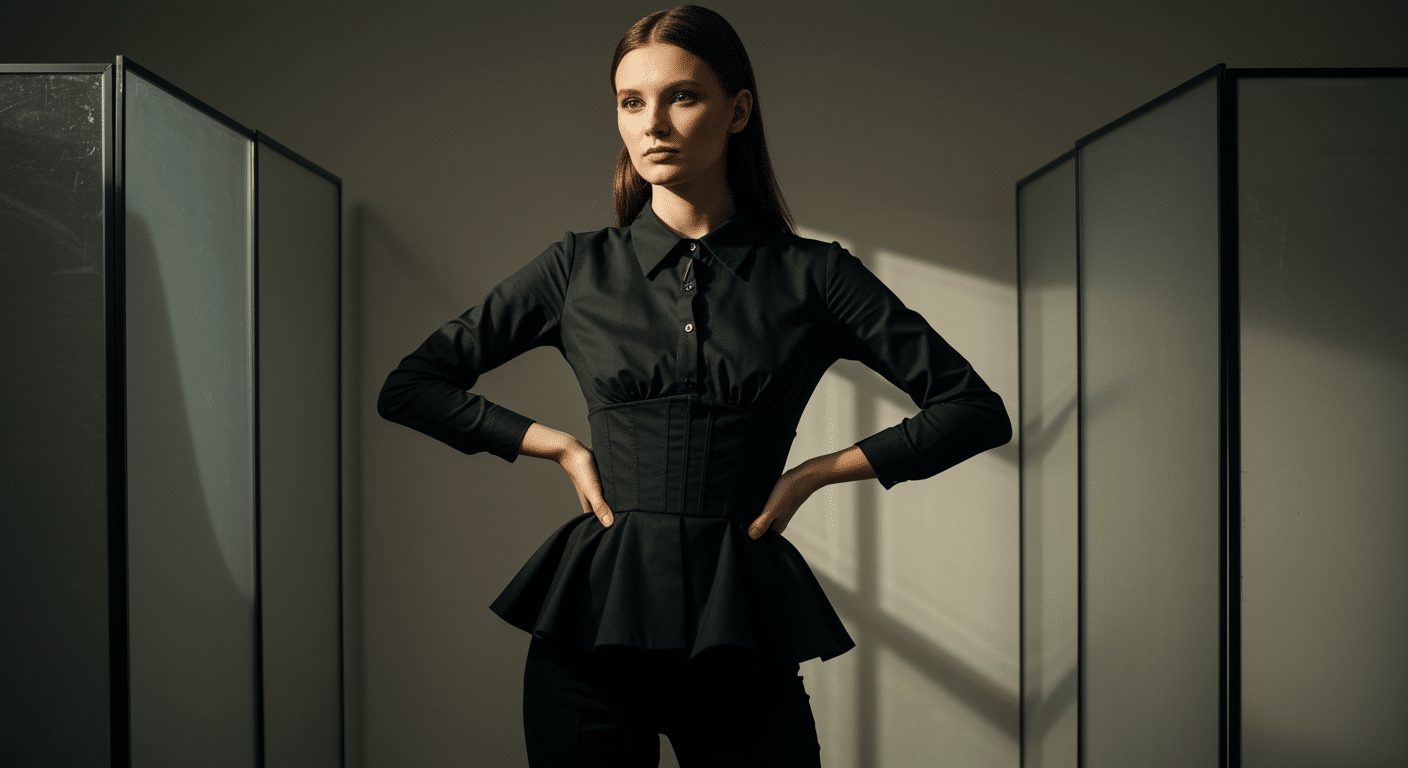
This blouse has a flared section at the waist. It creates a flattering shape and adds a touch of style. It’s great for office wear or semi-formal events.
- Pair it with: High-waisted pencil skirts or fitted trousers.
- Style it: Tuck it in to show off the peplum detail.
- Combine it with: Heels and a structured handbag for a complete look.
2. Wrap Blouse
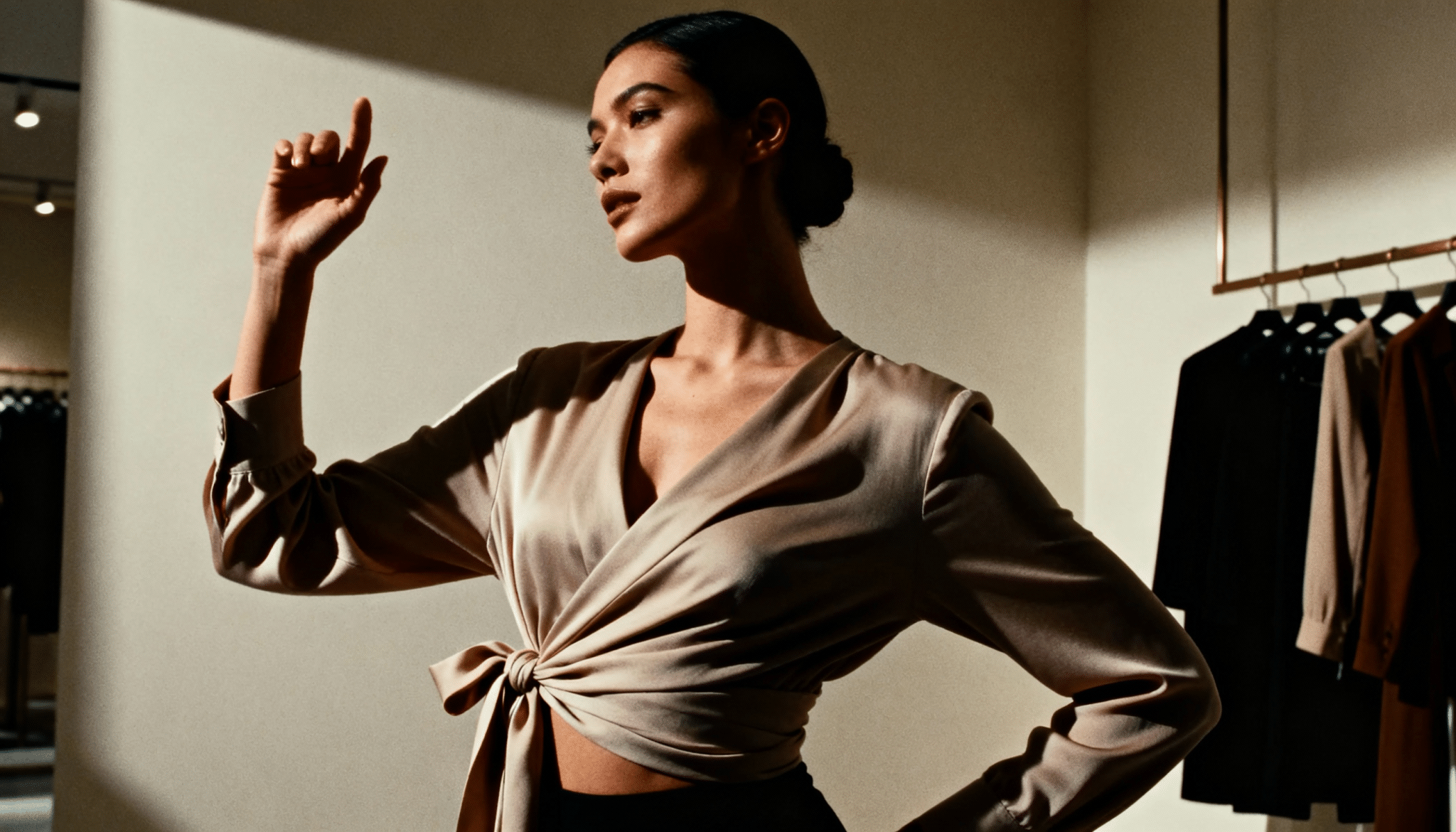
A wrap blouse ties at the side or front. It hugs the body gently and adjusts to fit. It’s comfortable and works for both casual and dressy occasions.
- Pair it with: Jeans, tailored pants, or midi skirts.
- Style it: Leave it loose or adjust the tie for a snug fit.
- Combine it with: Ankle boots or flats for a balanced outfit.
3. Off-Shoulder Blouse
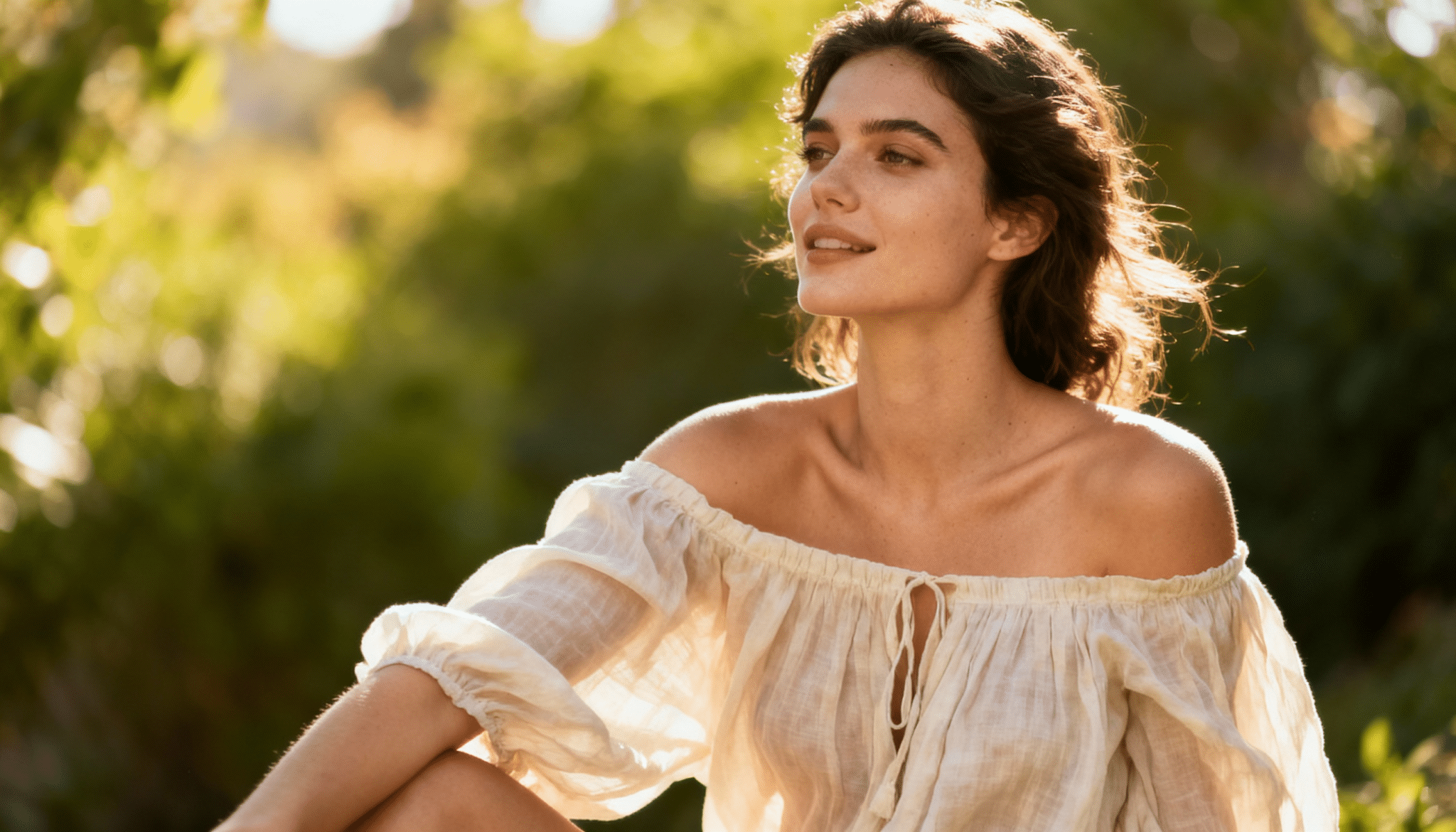
This style sits below the shoulders. It shows a bit of skin and looks relaxed. It’s perfect for summer outings or casual gatherings.
- Pair it with: Denim shorts, wide-leg pants, or flowy skirts.
- Style it: Keep accessories minimal to let the neckline stand out.
- Combine it with: Sandals and a crossbody bag for a breezy look.
4. Tunic Blouse
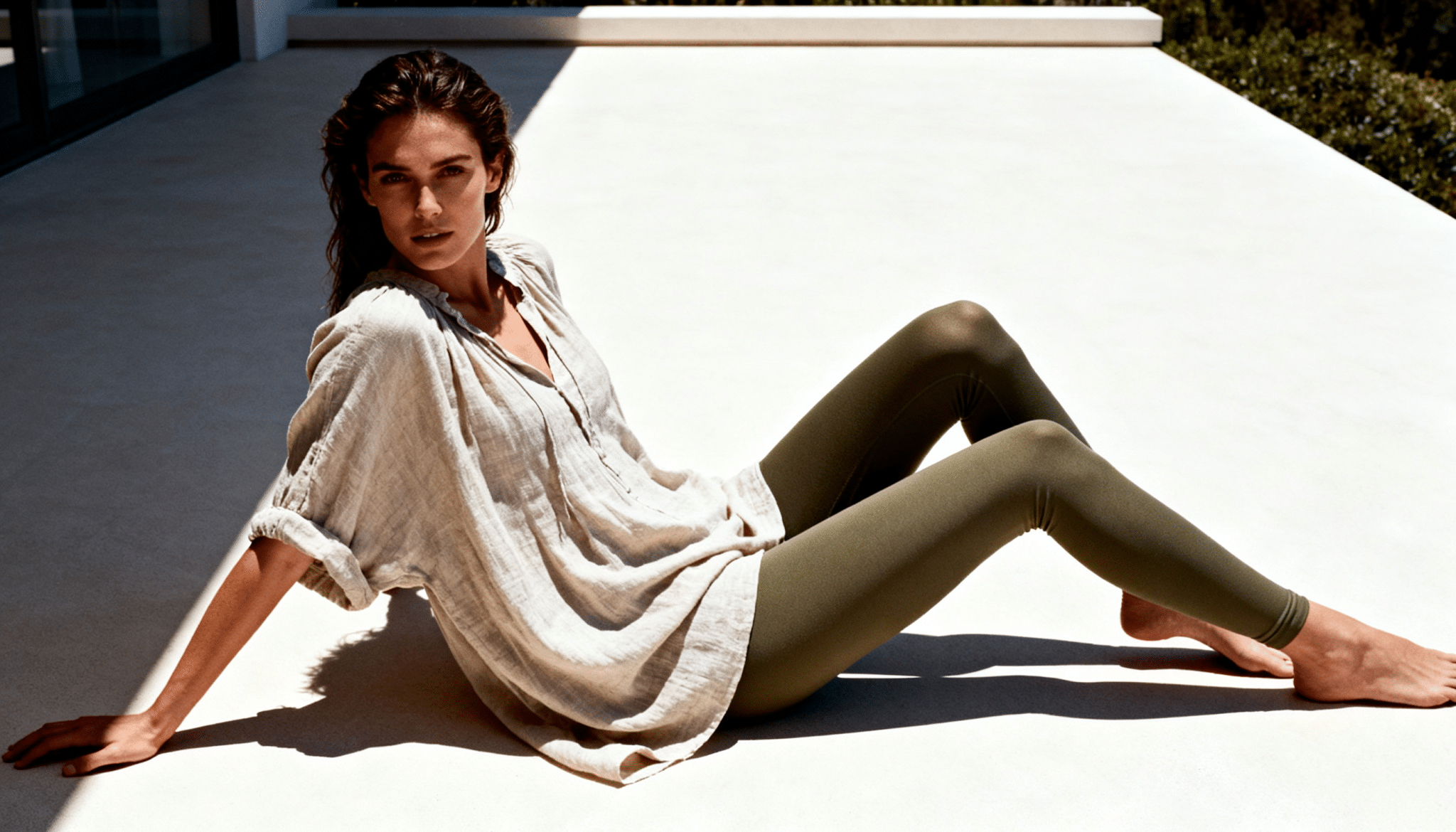
Tunic blouses are longer and looser. They pair well with leggings. They’re comfortable and easy to wear for everyday activities.
- Pair it with: Leggings, skinny jeans, or fitted pants.
- Style it: Wear it loose or add a belt at the waist.
- Combine it with: Sneakers or slip-on shoes for casual comfort.
5. Ruffled Blouse
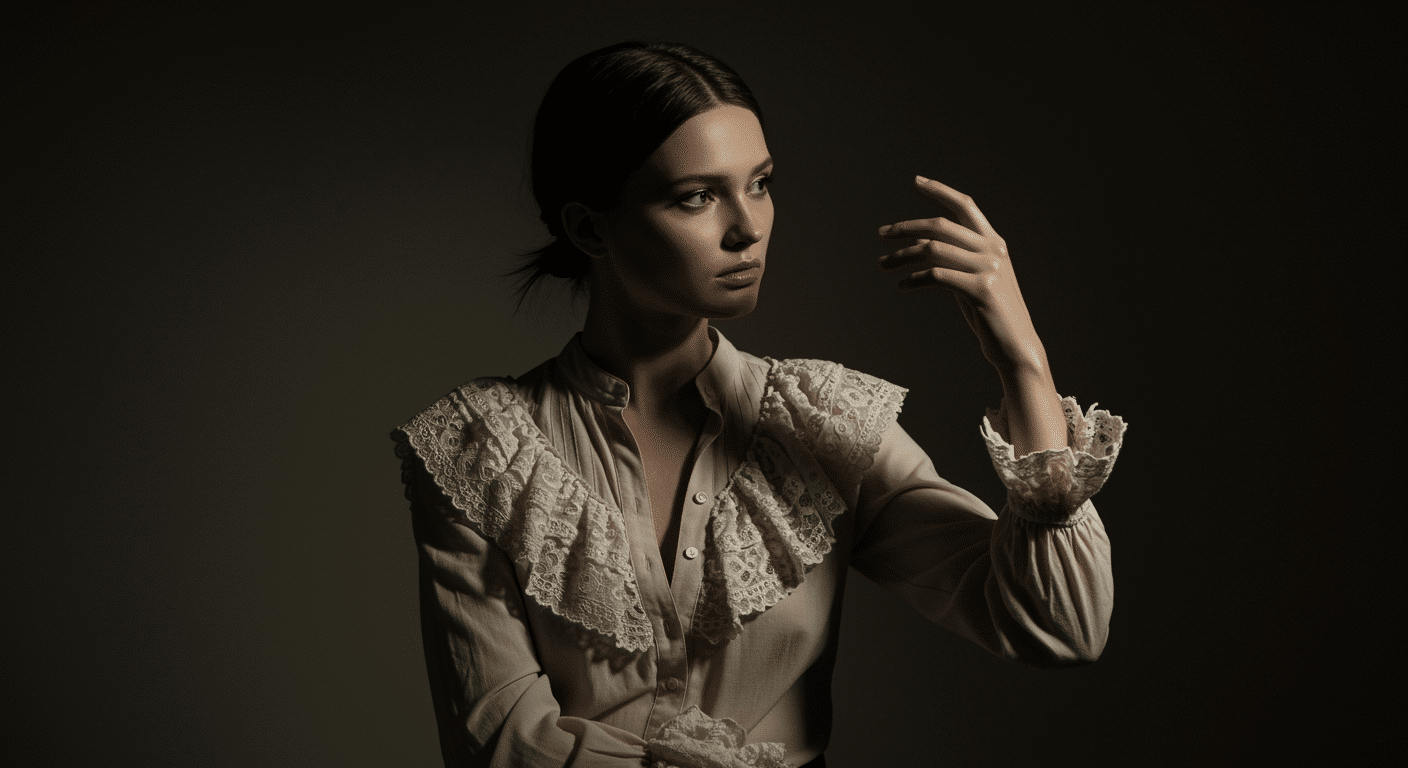
Ruffles add volume and movement. They can appear on the sleeves, collar, or front. This style works well for events where someone wants to stand out.
- Pair it with: Simple bottoms like black pants or plain skirts.
- Style it: Let the ruffles be the focus by keeping other pieces understated.
- Combine it with: Statement earrings and heels for a dressy finish.
Types of Shirts
Shirts also come in different styles. Each one has its own use and feel.
6. Oxford Shirt
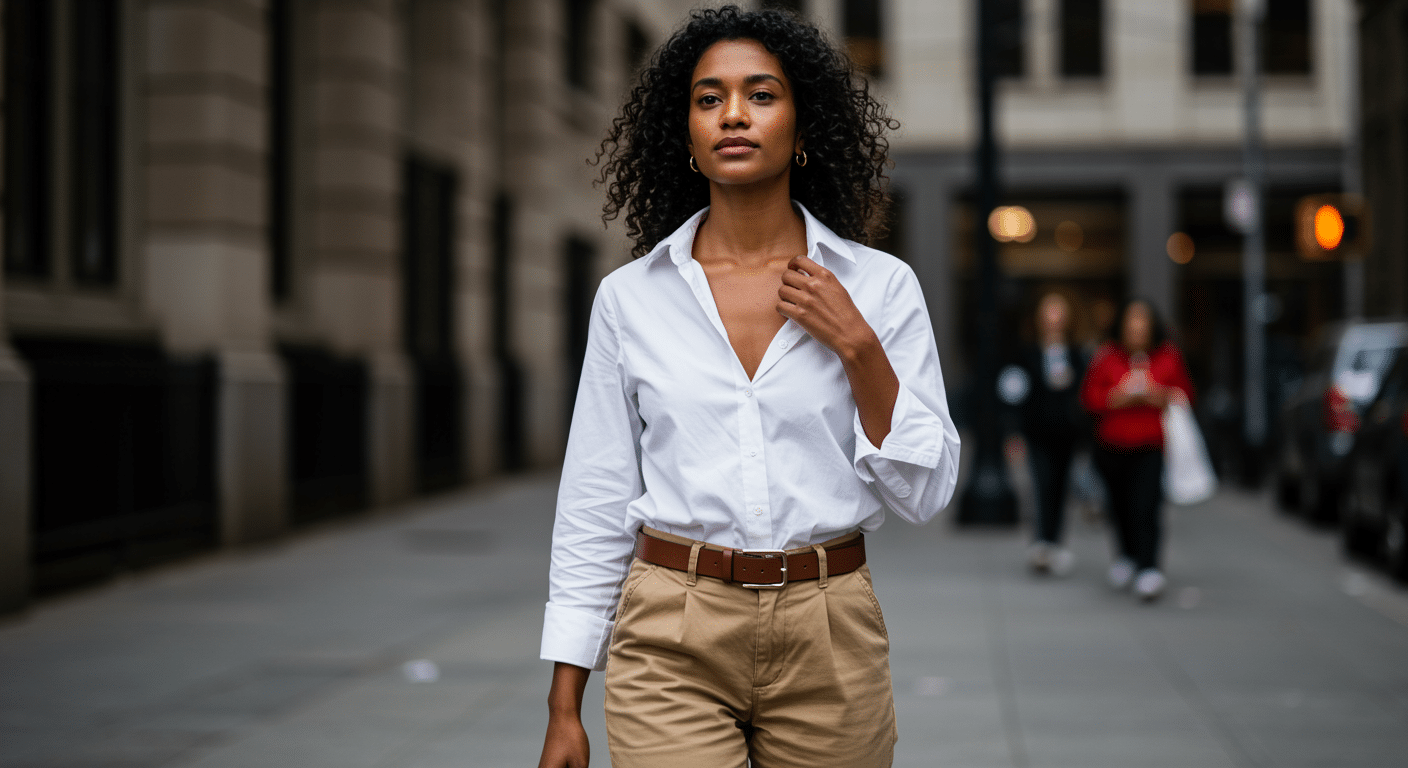
This shirt is made from thick, woven fabric. It has a button-down collar and a polished look. It’s a go-to for business casual and smart casual looks.
- Pair it with: Chinos, dress pants, or dark jeans.
- Style it: Roll up the sleeves for a relaxed feel or keep them down for formality.
- Combine it with: Leather shoes and a belt for a sharp appearance.
7. Dress Shirt
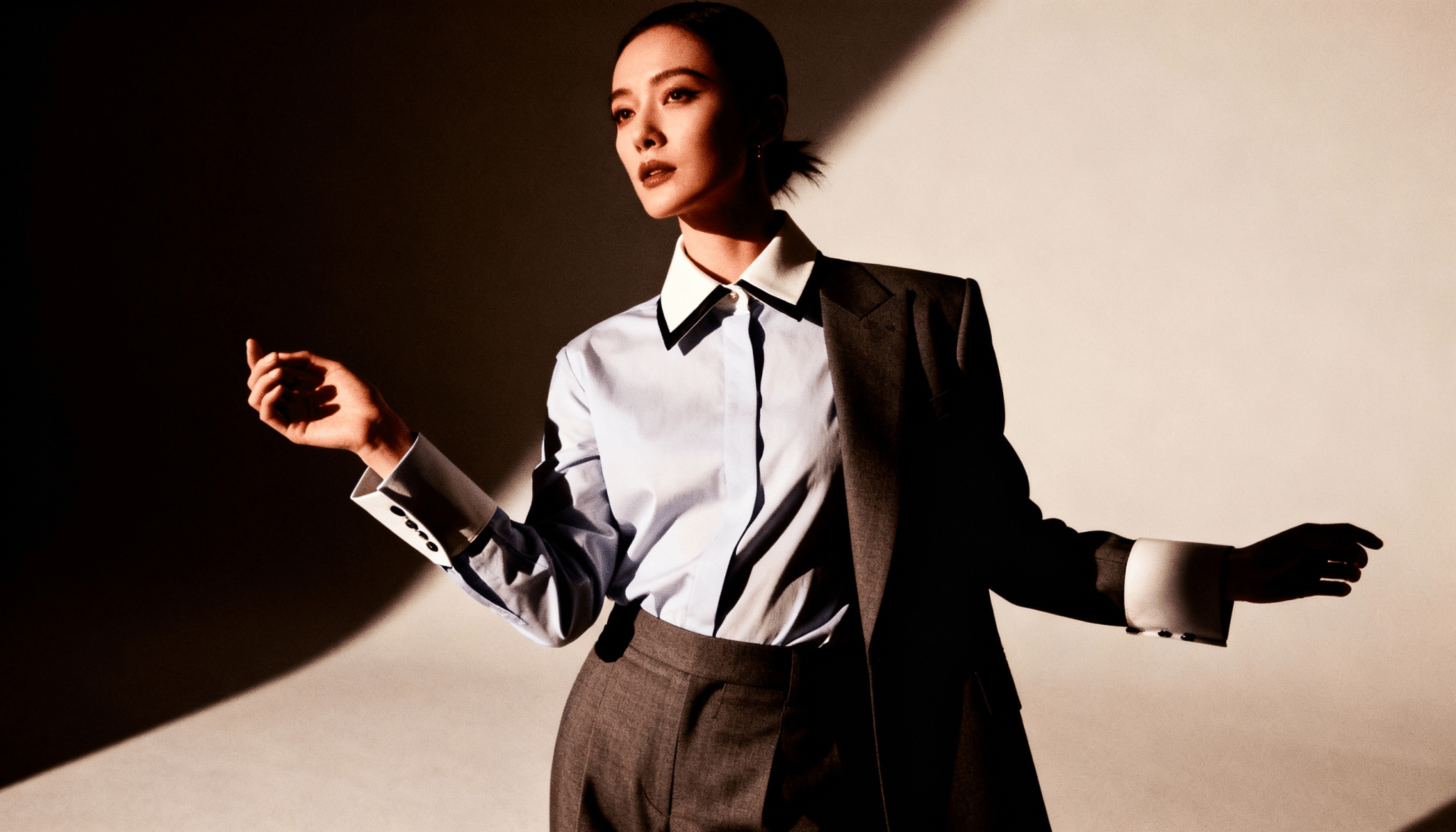
Dress shirts are formal. They have stiff collars and cuffs. They’re meant to be worn with suits or dress pants. They fit weddings, meetings, and formal events.
- Pair it with: Suits, dress pants, or formal skirts.
- Style it: Button it all the way up and add a tie or leave the top button open.
- Combine it with: Dress shoes and a blazer for a professional finish.
8. Chambray Shirt
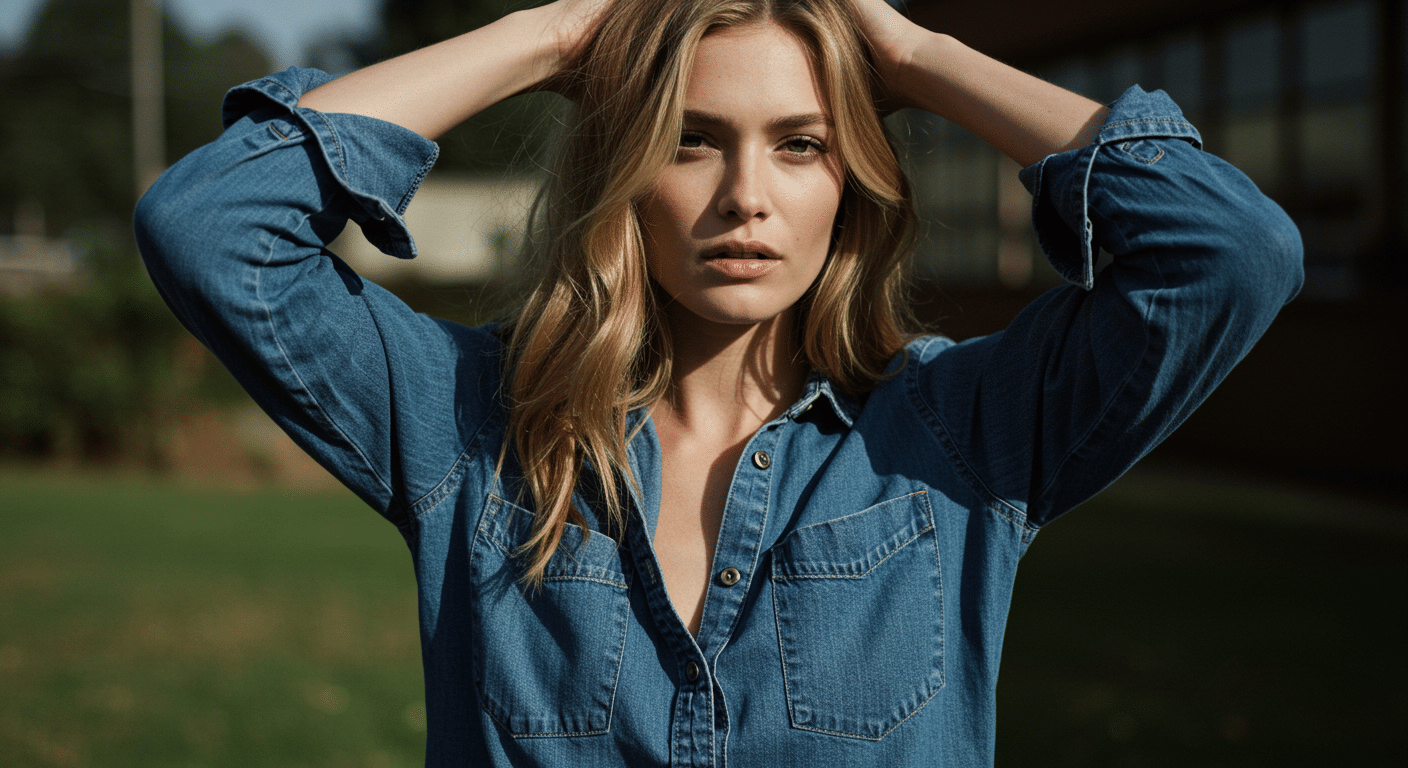
Chambray looks like denim but feels lighter. It’s softer and more breathable. It works for casual outings and pairs well with jeans or shorts.
- Pair it with: White jeans, khaki shorts, or casual skirts.
- Style it: Tie it at the waist or wear it open over a t-shirt.
- Combine it with: Canvas sneakers or sandals for a laid-back style.
9. Henley Shirt
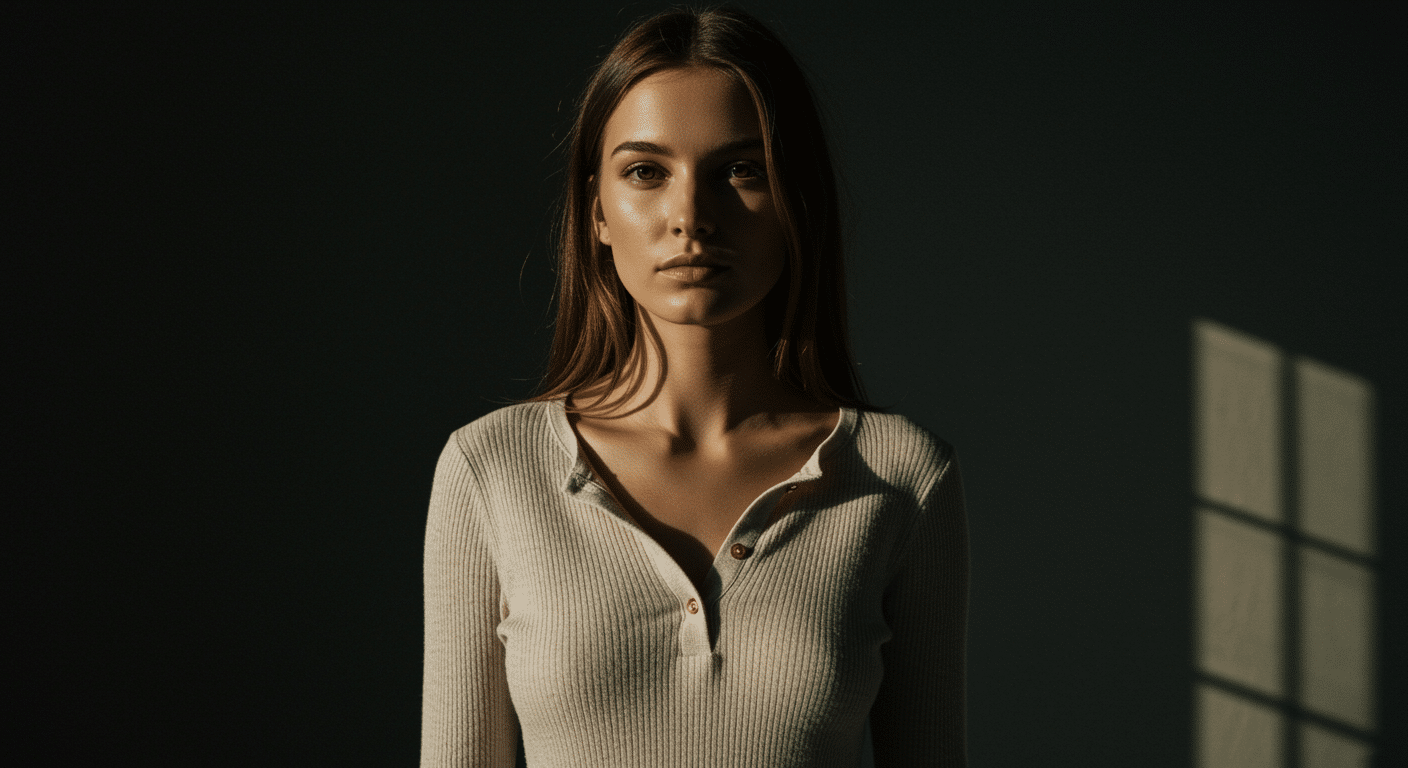
A Henley has a few buttons at the neckline but no full button line. It’s casual and comfortable. It’s great for laid-back weekends or layering under jackets.
- Pair it with: Jeans, joggers, or casual shorts.
- Style it: Wear it alone or layer it under a cardigan or jacket.
- Combine it with: Sneakers or casual slip-ons for easy comfort.
10. Polo Shirt
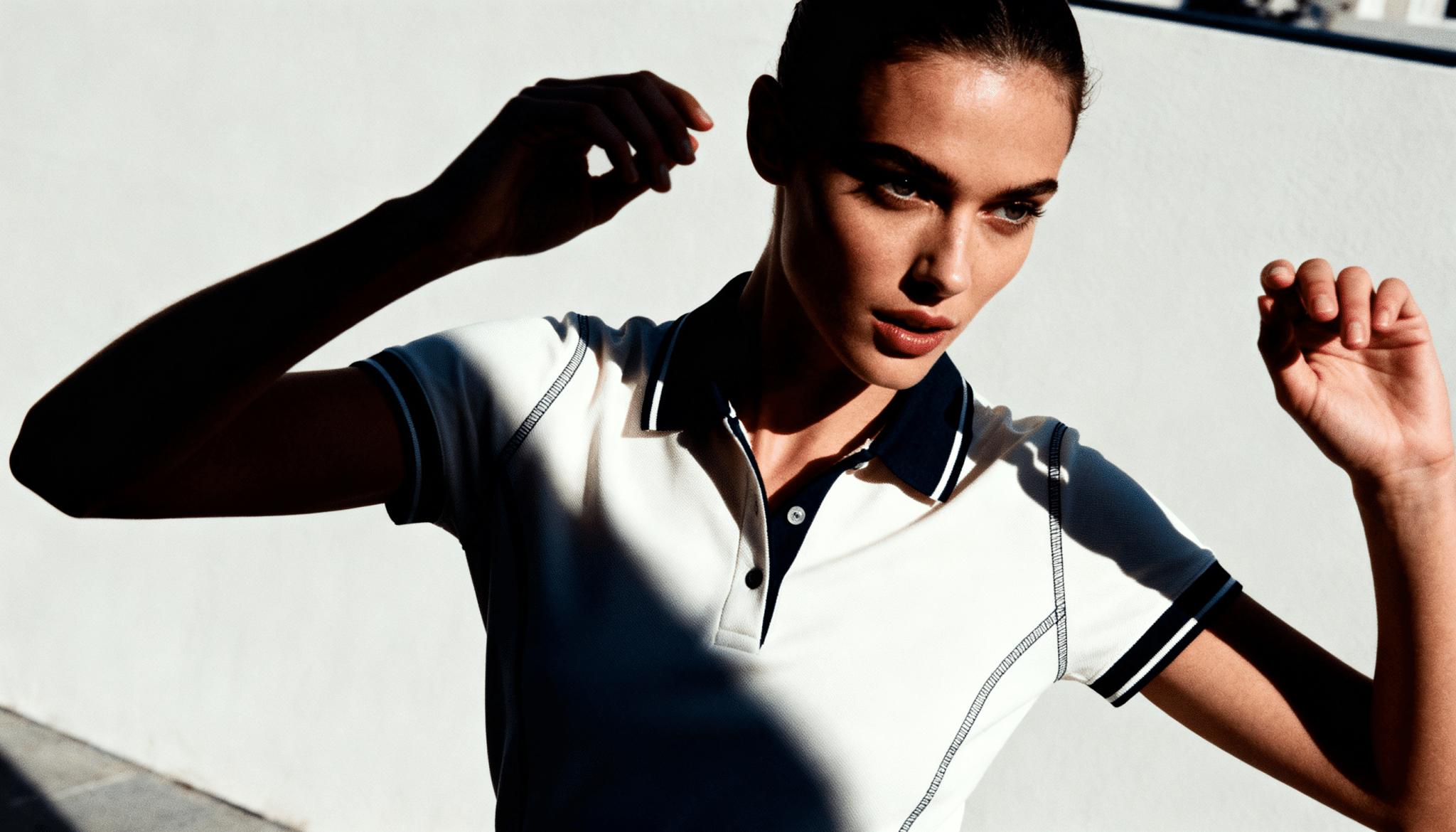
A polo shirt has a collar and a few buttons at the top. They’re sporty yet neat. They work for golf, casual Fridays, or outdoor activities.
- Pair it with: Chinos, jeans, or athletic shorts.
- Style it: Tuck it in for a tidy look or leave it untucked for casual wear.
- Combine it with: Loafers, boat shoes, or clean sneakers.
Wrapping It Up
The real difference between a blouse vs shirt comes down to fabric, fit, and style. Shirts bring structure and work for almost any setting.
Blouses add softness and let someone show a bit more personality. Both have their place in a wardrobe.
Think about the occasion, check the weather, and pick what feels right.
Now that the differences are clear, getting dressed becomes simpler. No more standing in front of the closet wondering what to grab. Just choose the piece that fits the moment and go.