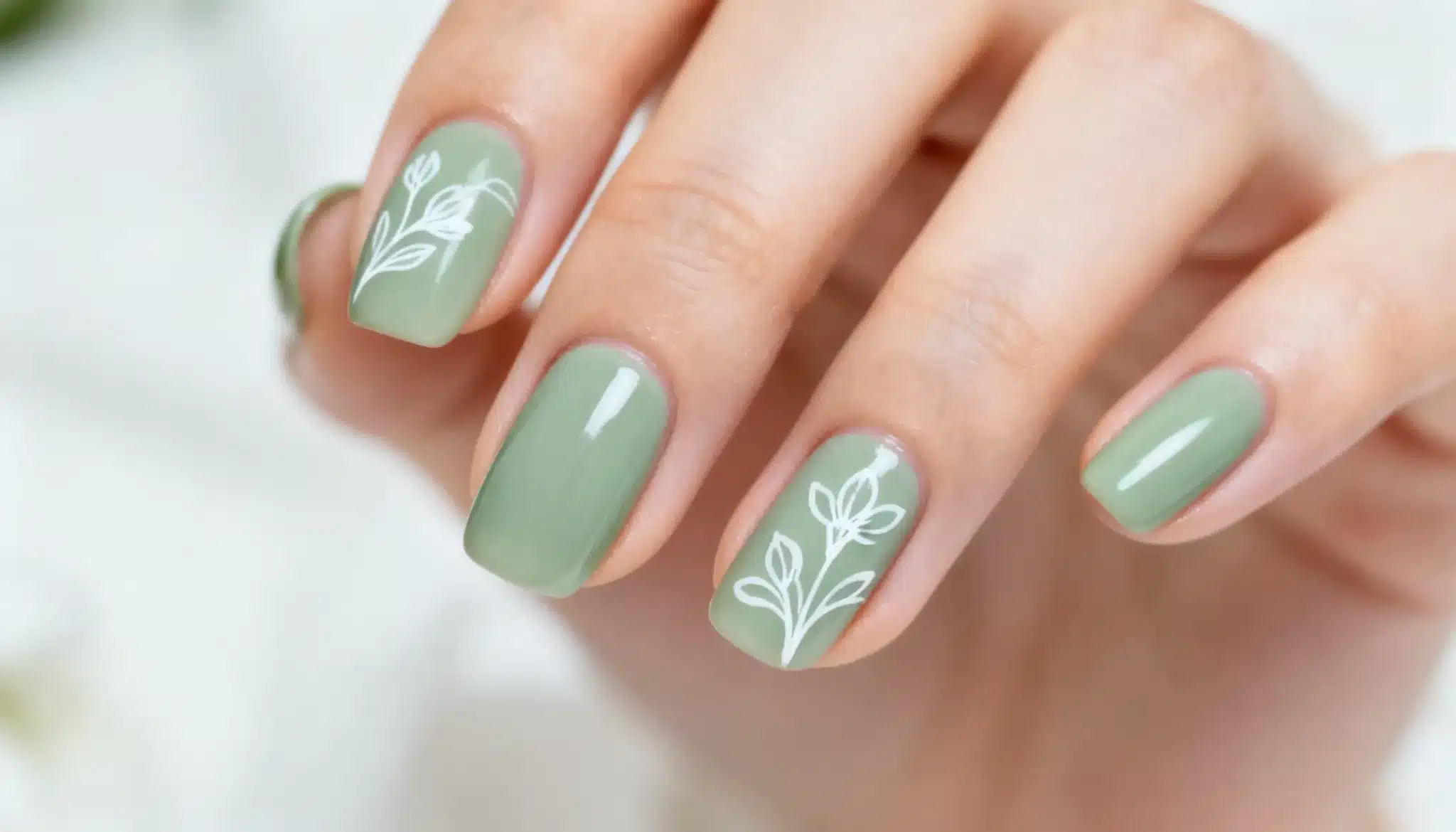
Choosing between gel and acrylic nails? But what are gel nails and acrylic nails?
Both options can give you surprising results. But they work differently, and picking the wrong one can lead to damaged nails or wasted money.
Understanding these two popular nail types is crucial if you have sensitive skin or prefer a natural appearance.
This blog gathers the key differences between gel and acrylic nails. You’ll learn about durability, application, cost, and maintenance.
And you’ll know the right option and confidently book your next appointment.
Overview: Gel vs Acrylic Nails
Gel nails use a special polish that hardens under UV or LED light. The gel sits on top of your natural nail and cures in layers.
It feels lighter and looks more natural than other options.
Acrylic nails are created by mixing liquid monomer with powder polymer. This combo forms a paste that your nail tech shapes over your nails.
The mixture air-dries and hardens on its own; no light is needed. Both add length and strength to your nails.
But the formulas are completely different. Gel relies on light to set, while acrylic uses a chemical reaction. This affects how they’re applied, how long they last, and how they feel on your hands.
Key Differences
Here’s a quick side-by-side comparison to help you decide. This table shows you the main differences at a glance:
| Feature | Gel Nails | Acrylic Nails |
|---|---|---|
| Curing Method | UV or LED light | Air-drying |
| Weight | Lighter on nails | Heavier, more noticeable |
| Smell | Little to no odor | Strong chemical smell |
| Damage Risk | Less damaging | Can weaken natural nails |
| Chipping | Chips less often | Chips more easily |
| Cost | $35-$100 | $25-$80 |
| Best For | Natural look, special events | Extra strength, long nails |
| Nail Health | Gentler option | Requires more aftercare |
| Lifespan | 2-3 weeks | 3-4 weeks |
| Fixing Breaks | Needs full removal | Can be repaired easily |
Characteristics of Gel Nails and Acrylic Nails
Let’s look at what makes each type unique.
Gel Nails
- Application: Applied in thin layers and cured under UV or LED light for 30-60 seconds per coat.
- Texture: Smooth, glossy finish that feels lightweight on your nails.
- Flexibility: More flexible than acrylics, so they bend slightly with your natural nail.
- Durability: Lasts about 2-3 weeks before needing a fill or removal.
- Appearance: Natural, shiny appearance that looks like your real nails, but better.
- Removal: Soak off with acetone for 10-15 minutes.
Acrylic Nails
- Application: Mixed and applied as a paste, then shaped before it air-dries completely.
- Texture: Harder and thicker than gel, with a more solid feel.
- Flexibility: Rigid and strong, doesn’t bend easily.
- Durability: Lasts 3-4 weeks and can handle more wear and tear.
- Appearance: Can look thicker and less natural, but offers more dramatic length options.
- Removal: Filed down or soaked in acetone for 20-30 minutes.
Key Differences in Application
The application process is where these two nail types really differ. Let’s walk you through how each one is done.
Gel Nails Application

Prep the nails
Your nail tech starts by cleaning your nails and pushing back cuticles. They’ll lightly buff the surface to help the gel stick better.
Any oils or dirt get wiped away completely.
Apply base coat
A thin layer of base gel goes on first. This protects your natural nail and helps everything bond properly.
Then it’s cured under the UV or LED lamp for about 30-60 seconds.
Add color layers
The gel polish is painted on in thin coats. Each layer needs to cure under the light before the next one goes on.
Usually, two to three coats give you full coverage and rich color.
Seal with a top coat
A glossy top coat goes on last to protect the color and add shine.
After curing this final layer, your nails are ready. Some techs wipe off a sticky residue with alcohol at the end.
Acrylic Nails Application

Prepare natural nails
The tech cleans and buffs your nails more aggressively than with gel.
They might apply a primer to help the acrylic bond. Your nails need to be completely dry and oil-free for this.
Apply nail tips or forms
If you want length, tips are glued on and trimmed to size. Or they’ll use forms that sit under your nail edge.
This creates the base for building out the acrylic length you want.
Mix and apply acrylic
The liquid monomer and powder polymer are mixed with a brush.
This creates a bead of paste that’s shaped over your nail. The tech works quickly because it starts hardening right away as it dries.
Shape and file
Once the acrylic hardens completely, filing begins. The tech shapes your nails, smooths rough spots, and creates the look you want.
This step takes the most time and skill to get right.
Finish with polish
After buffing everything smooth, regular nail polish or gel polish goes on top. Some people skip this and just buff the acrylic to a shine.
Either way, you’re done once it dries.
Maintenance
Proper care keeps your nails looking fresh and prevents damage.
| Maintenance Task | Gel Nails | Acrylic Nails |
|---|---|---|
| Fill Frequency | Every 2-3 weeks | Every 2-3 weeks |
| Daily Care | Moisturize cuticles daily | Apply cuticle oil twice daily |
| Water Exposure | Wear gloves when cleaning | Avoid soaking in water for too long |
| Lifting Issues | Return to the salon immediately | It can cause fungal infections if ignored |
| Growth Gap | Less noticeable as it grows | More obvious, needs regular fills |
| Polish Touch-ups | Modest chipping, rarely needed | May need polish refreshed between fills |
| Breakage Fix | Must remove and redo | Can be patched and repaired |
| Removal Time | 10-15 minutes with acetone soak | 20-30 minutes of filing or soaking |
| Between Appointments | Avoid picking or peeling | Don’t try to pull off loose pieces |
| Nail Strengthening | Let nails breathe between sets | Take breaks every few months |
When to Consider Gel vs Acrylic Nails
Choosing the right type depends on your lifestyle and what you need from your nails.
Pick Gel Nails If:
- You want a more natural-looking finish.
- You’re attending a wedding or short-term event.
- You prefer a lighter feel on your nails.
- Strong chemical smells bother you.
- You only need a slight length boost.
Prefer Acrylic Nails If:
- You work with your hands frequently.
- You want dramatic length that lasts longer.
- You need nails that can be repaired instead of fully removed.
- Your natural nails are weak or brittle.
- You want nails that can withstand daily wear.
Final Thoughts
Both options have their strengths. Gel gives you that natural, glossy look with less damage.
Acrylic offers serious durability and length that gel just can’t match. Consider your daily routine: do you type all day, or do you work outdoors? Do you prefer subtle or bold nails? Your answers will direct you.
Try both at least once. Many people stick with one type, but your preferences might surprise you.