You want better travel photos but don’t want to lug around heavy gear. Your phone is convenient, sure, but it falls short when the lighting shifts or you need a closer shot.
A travel camera bridges that gap. The challenge is finding one that’s worth the space in your bag.
I’m sharing seven cameras that work for different types of trips. Lightweight options. Video-focused models. Budget picks that don’t feel cheap.
Let’s match you with the best travel camera for your next adventure.
What Really Matters in the Best Travel Camera
Not every camera belongs in your travel bag. Some are too heavy for all-day exploring. Others promise great specs but struggle in real conditions.
So what actually matters?
Size and weight: You’ll notice a bulky camera after hour three. If it’s uncomfortable to carry, you’ll leave it behind. Compact models fit in pockets. Mirrorless options deliver quality without the bulk.
Image quality in real situations: Dim restaurants, bright beaches, fast street scenes, your camera needs to handle them all. Good low-light performance and quick autofocus matter more than megapixel counts.
Ease of use: Moments don’t wait. Intuitive controls and reliable auto modes help when you’re moving fast.
Price and value: A cheap camera that breaks isn’t a deal. Think about what you’ll actually use across multiple trips.
Best Travel Camera Options
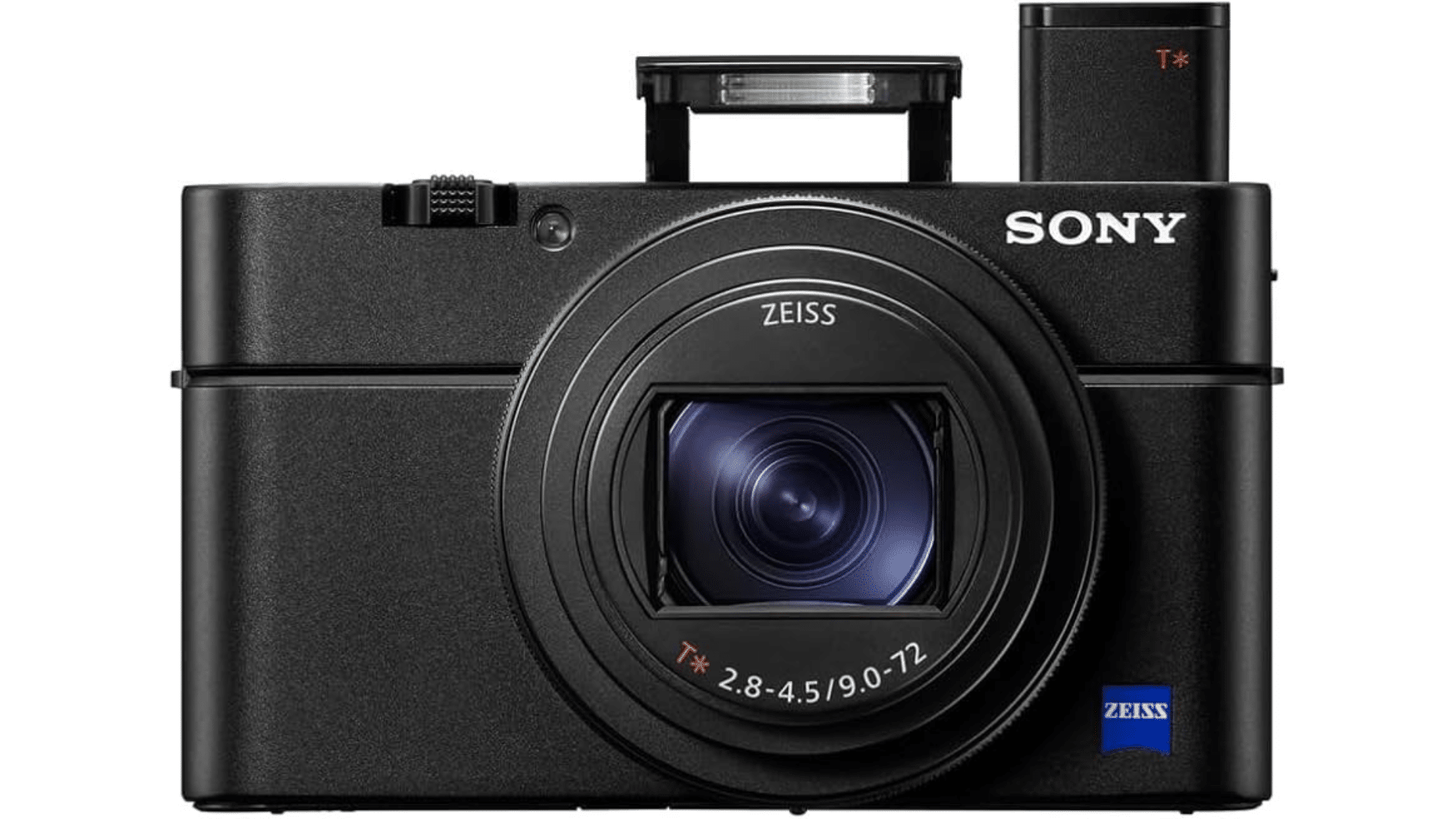
1. Sony RX100 VII – Best Compact Travel Camera
Built for outdoor adventures. Shoots 5.3K video at 60fps and weighs just 5.3 ounces.
Outdoor and Water Use
- Waterproof up to 33 feet (no case needed)
- Handles rain, sand, and dust
- HyperSmooth 6.0 stabilization
- The battery lasts around 70 minutes
Rugged design survives drops. Mounts to helmets, bikes, or chest straps for hands-free shooting.
Perfect for hiking, snorkeling, biking, or active travel, photo quality is basic. Limited manual controls. Skip if you primarily shoot still photos.
2. Fujifilm X-S20 – Best for Photo Quality
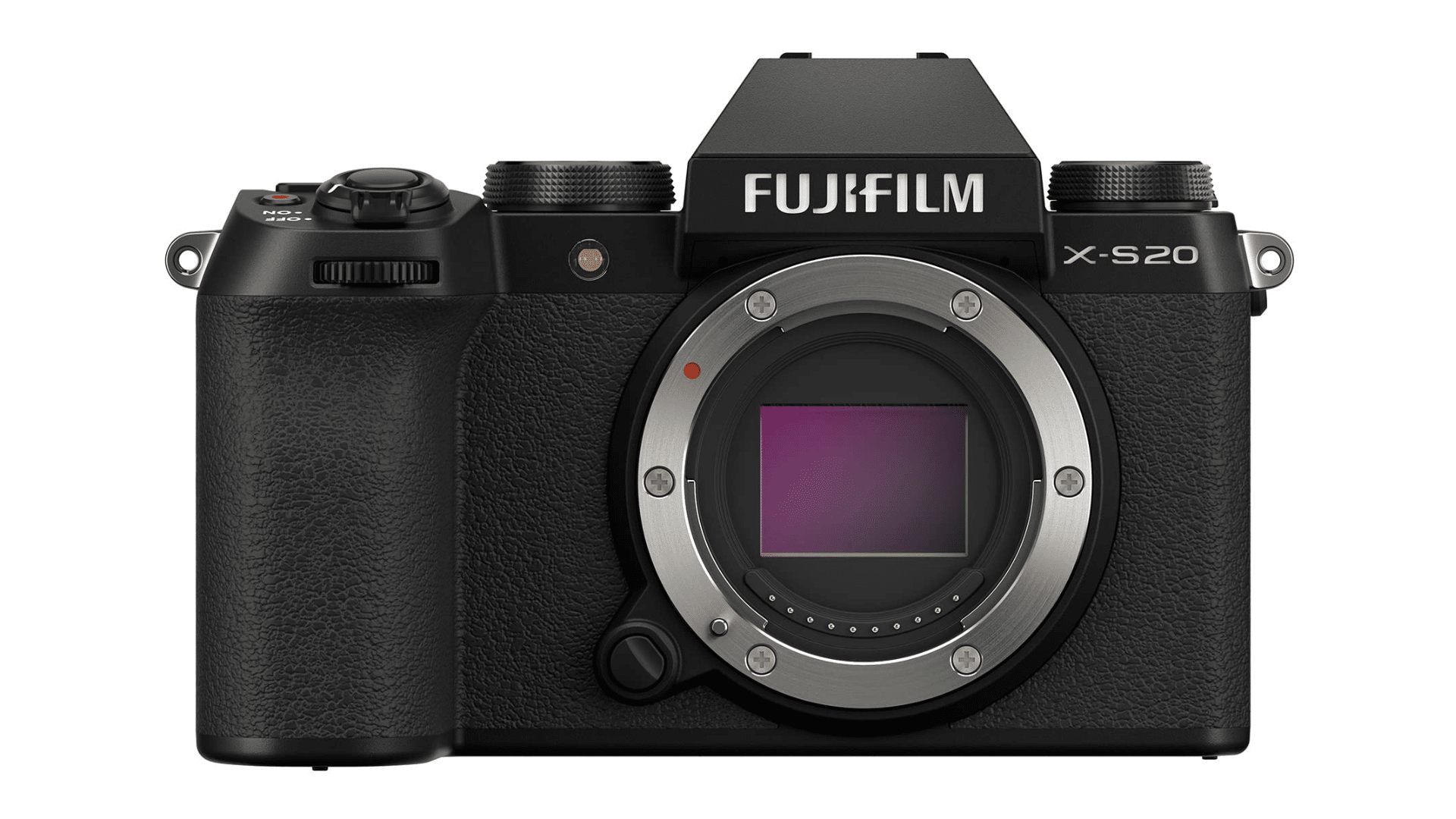
Delivers images that stand out. Uses a 26-megapixel APS-C sensor with Fujifilm’s color science.
Weighs about 1.2 pounds with a kit lens.
Image Output and Color Tone: Colors look natural without editing. Handles detail well in bright and shadowy areas. Shoots 6K video for high-quality clips.
Battery Life During Trips: Around 750 shots per charge. Charges via USB-C and works with power banks.
Ideal Travel Style for This Camera: Suits landscapes, portraits, and street photography where color matters. Works with Fujifilm’s X-mount lenses for future growth. Skip if you need compact setups or waterproof builds.
3. Canon EOS R10 – Best Budget Mirrorless Option
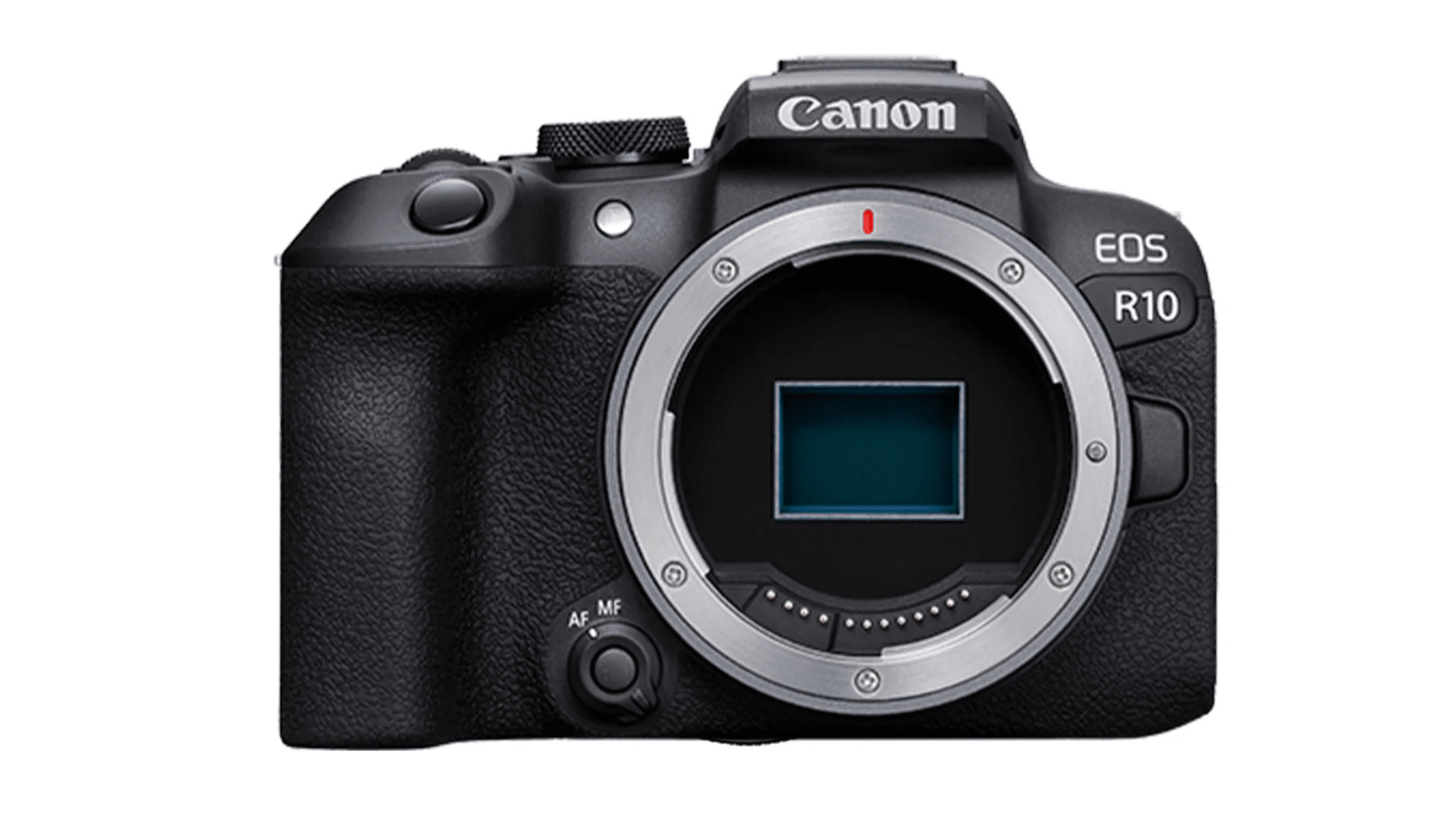
Solid performance without the high price tag. The Canon EOS R10 packs a 24-megapixel APS-C sensor into a body weighing about 1 pound.
Photo and Video Performance
- Captures sharp images with good color accuracy
- Fast autofocus tracks moving subjects reliably
- Shoots 4K video at 30fps
- Handles different lighting conditions well
Ease of Use for Beginners: The Menu system is straightforward. Auto modes handle quick shots, and manual controls are easy to access. Touchscreen responds fast, and the viewfinder shows results before you shoot.
Balances quality and price well. Works with Canon’s RF-S and RF lenses for future growth. The battery gives around 430 shots per charge. Light but sturdy build.
Skip if you need advanced video or top low-light performance. For most travelers, this works.
4. Sony ZV-E10 – Best for Travel Videos
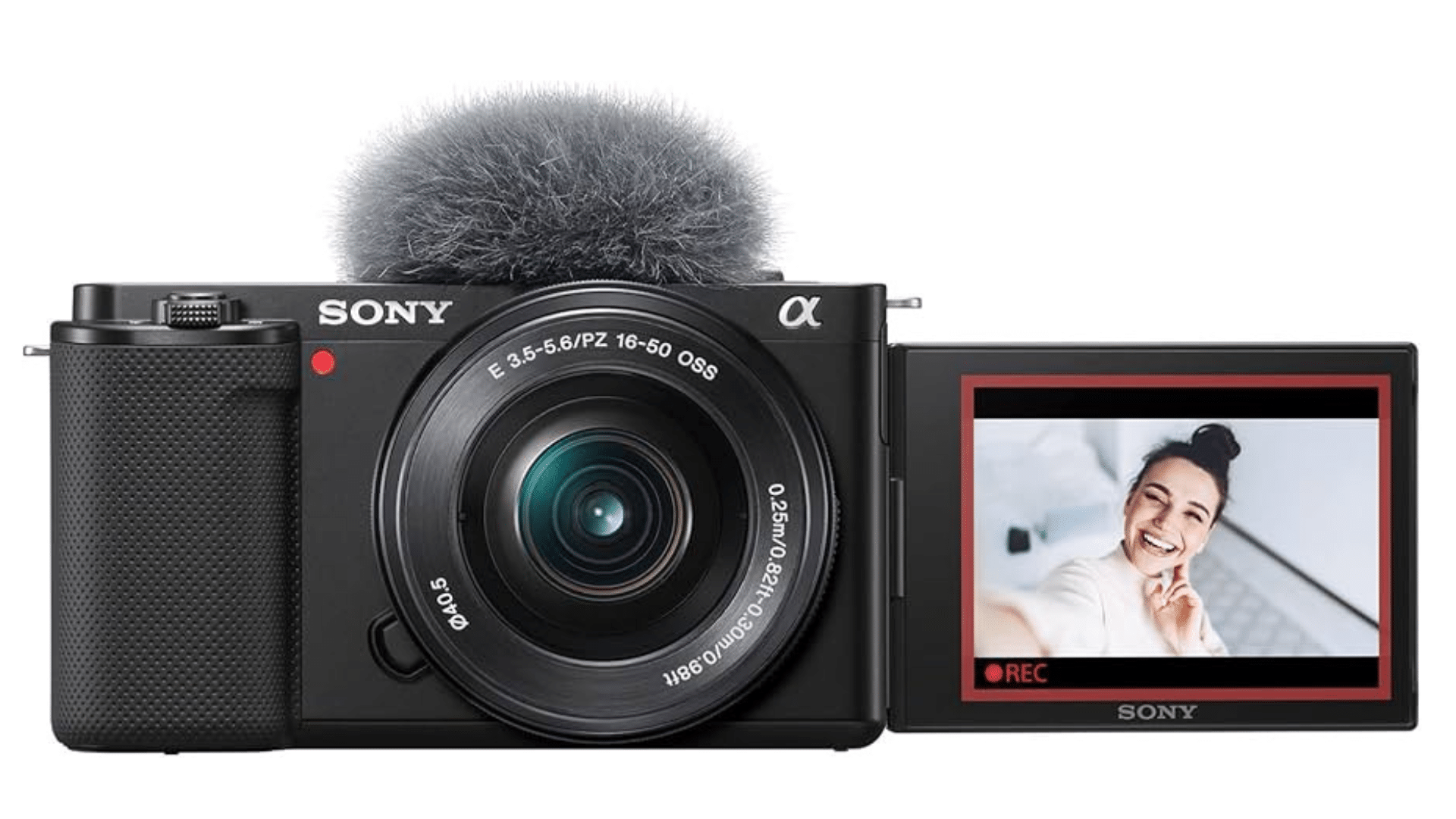
Built for video creators. Uses a 24-megapixel APS-C sensor and weighs about 12 ounces without a lens.
Video Features Useful on Trips: Shoots 4K with stable footage. Product Showcase mode switches focus quickly. The background defocus button works instantly. No recording limits. Autofocus tracks faces reliably.
Flip Screen and Sound Support: Screen flips out for self-recording. Built-in mic reduces wind noise. Mic and headphone jacks included.
Best Use Cases: Works for travel vlogs and daily documentation. Photo quality is decent but secondary. Battery life is average.
5. Nikon Z30 – Best Lightweight All-Round Camera
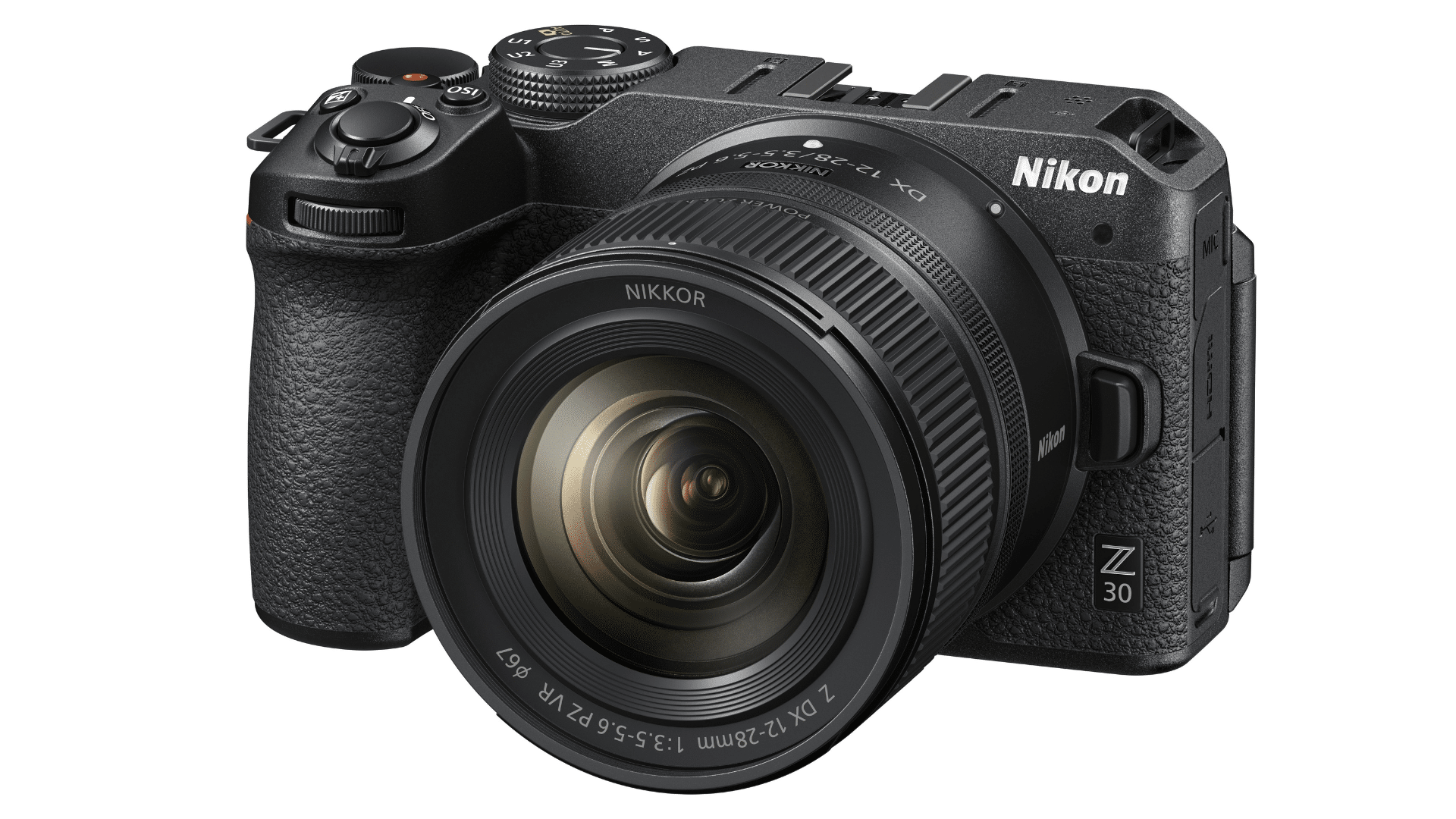
Balances photos and video without extra weight. Uses a 20.9-megapixel APS-C sensor and weighs just 14 ounces.
Comfort for Long Shooting Days: Compact and lightweight. Secure grip despite small size. No viewfinder keeps weight down.
Balance Between Photos and Clips: Sharp stills and 4K video at 30fps. Eye-detection autofocus. Vari-angle screen flips for different angles. No recording limits.
Works for travelers who shoot both formats equally. Battery gives around 330 shots. Compatible with Nikon’s Z-mount lenses.
6. Panasonic Lumix G100 – Best for Casual Travel Use
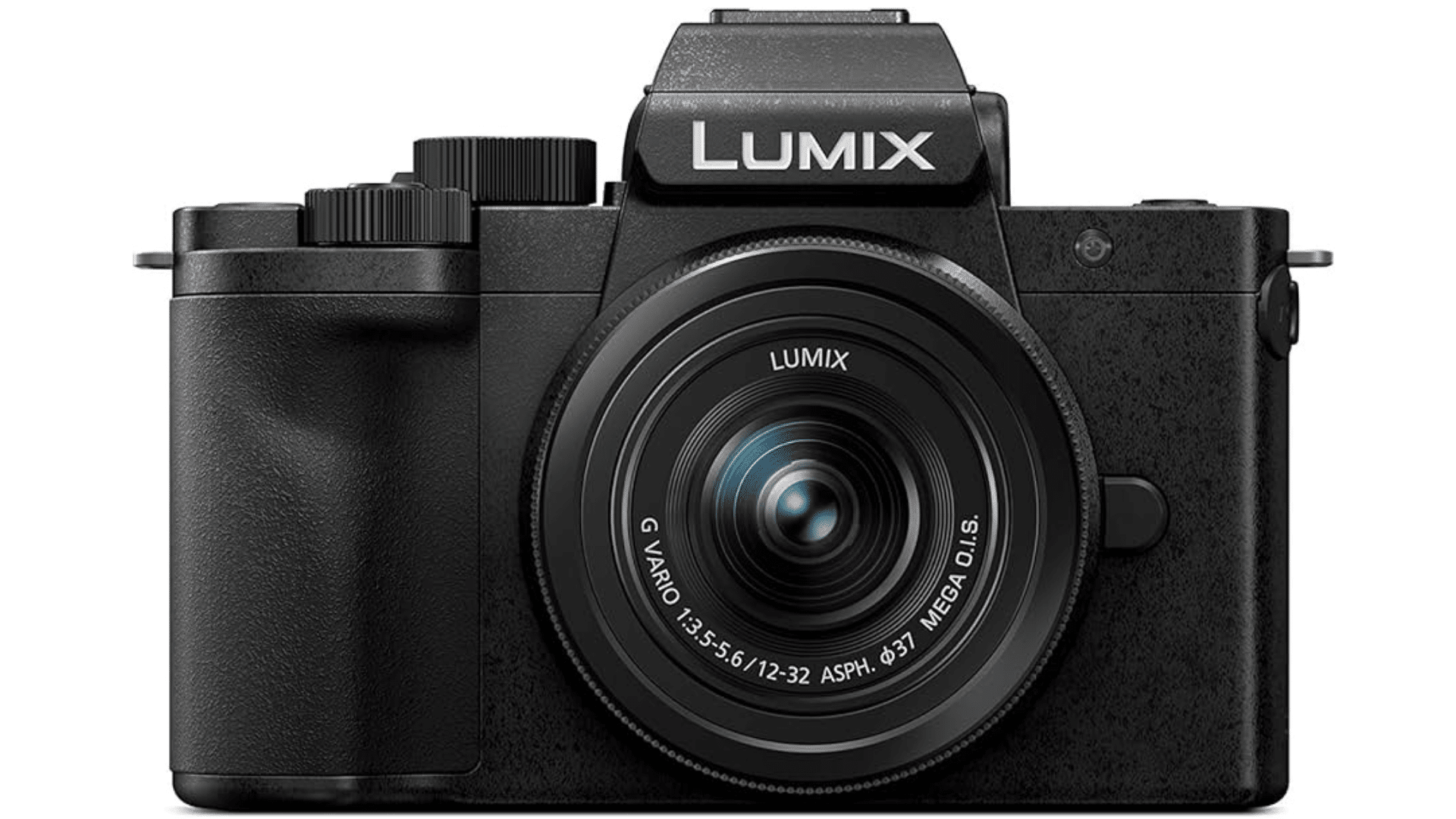
Designed for easy shooting. Uses a 20.3-megapixel sensor and weighs 12.3 ounces.
- Straightforward controls
- Tilting touchscreen
- OZO Audio captures clear sound
- The battery gives around 270 shots
Works for casual shooters wanting better quality than a phone, and an affordable entry point. Skip if you need low-light performance or action shooting.
7. GoPro Hero 12 Black – Best for Action Travel
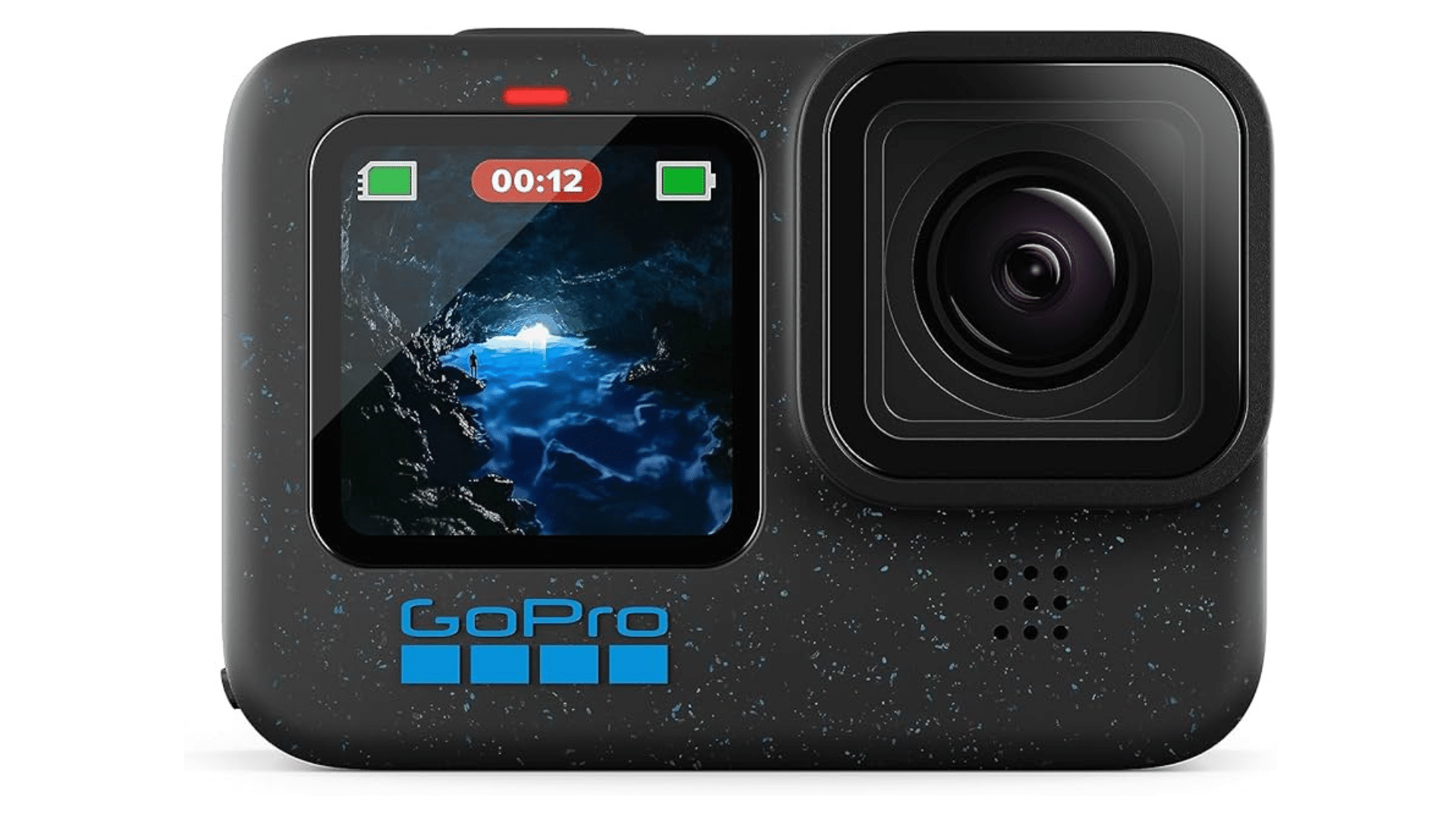
Built for outdoor adventures. Shoots 5.3K video at 60fps and weighs just 5.3 ounces. Waterproof up to 33 feet without a case. Handles rain, sand, and dust. HyperSmooth 6.0 stabilization keeps footage steady.
Rugged design survives drops. The battery lasts around 70 minutes of recording. Mounts to helmets, bikes, or chest straps for hands-free shooting.
Perfect for hiking, snorkeling, biking, or active travel. Photo quality is basic, and manual controls are limited.
Skip if you primarily shoot still photos.
All 7 Cameras at a Glance
Seeing everything side by side makes the choice clearer.
| Camera | Weight | Main Strength | Skill Level |
|---|---|---|---|
| Sony RX100 VII | 10.7 oz | Pocket-sized with zoom range | Beginner to Intermediate |
| Fujifilm X-S20 | 1.2 lbs (with lens) | Image quality and color | Intermediate to Advanced |
| Canon EOS R10 | 1 lb | Budget-friendly mirrorless | Beginner to Intermediate |
| Sony ZV-E10 | 12 oz (body only) | Video features and vlogging | Beginner to Intermediate |
| Nikon Z30 | 14 oz | Lightweight photo and video balance | Beginner |
| Panasonic Lumix G100 | 12.3 oz (with lens) | Simple casual shooting | Beginner |
| GoPro Hero 12 Black | 5.3 oz | Rugged action and waterproof | All levels |
The table gives you a quick snapshot, but the right choice depends on how you travel.
Choosing the Right Travel Camera for Your Trips
The right camera depends on how you actually travel. Your trip style, budget, and whether you shoot more photos or video all matter.
Based on How You Travel
City explorers need light options like the Sony RX100 VII or Panasonic Lumix G100. Adventure travelers should grab the GoPro Hero 12 Black for waterproof durability.
Mixed trips work well with the Nikon Z30 or Canon EOS R10. Content creators filming themselves benefit from the Sony ZV-E10’s flip screen.
Based on Your Budget
- Under $700: Panasonic Lumix G100 and GoPro Hero 12 Black offer solid performance.
- $700 to $1,000: Canon EOS R10, Sony ZV-E10, and Nikon Z30 provide more features.
- Over $1,000: Sony RX100 VII and Fujifilm X-S20 deliver premium quality.
Based on Photo or Video Needs
- Photos first: Fujifilm X-S20 for color or Canon EOS R10 for budget quality.
- Video first: Sony ZV-E10 for vlogging or GoPro Hero 12 Black for action.
- Equal split: Nikon Z30 balances both.
Final Thoughts
You now know what separates a decent travel camera from one that sits unused in your bag.
Whether you need pocket-sized convenience, serious image quality, or rugged durability for action shots, there’s an option here that fits.
Don’t overthink it. Pick based on how you actually shoot and what you’ll realistically carry. The best travel camera is the one you’ll use on every trip.
Ready to upgrade your travel photography? Choose your camera and start capturing better memories today.