Ever noticed how some painted walls look flawless while others show every bump and smudge?
The secret isn’t just the color. It’s the finish.
Paint finish can make or break a room’s appearance. They determine how light bounces off your walls, how easy cleaning becomes, and whether flaws stay hidden or stand out.
Learning about different paint finishes means you’ll choose the perfect option for every space in your home.
What is a Paint Finish?
Paint finish refers to the texture and shine level of dried paint on your walls. Think of it as the final look your paint creates once it’s dry.
Some finishes look flat with no shine, while others reflect light like a mirror.
The finish affects more than appearance. It changes durability and how walls handle everyday wear. A glossy finish wipes clean easily when grease splatters. A flat finish hides minor wall imperfections.
Here’s what changes between finishes:
- Light reflection: Ranges from zero shine to mirror-like gloss
- Durability: Glossier finishes resist scrubbing better
- Coverage: Flatter finishes hide bumps more effectively
What is Sheen?
Sheen refers to how much light a paint finish reflects off the surface. Low sheen absorbs most light and looks flat. High sheen bounces light back and creates a shine.
More sheen equals more durability and easier cleaning. Less sheen means better coverage of wall flaws.
Paint manufacturers measure sheen using a gloss meter that reads light reflection at specific angles.
Here’s the sheen scale from lowest to highest:
- Flat (0-5% gloss)
- Matte (5-10% gloss)
- Eggshell (10-25% gloss)
- Satin (25-35% gloss)
- Semi-gloss (35-70% gloss)
- High-gloss (70-85% gloss)
Different Types of Paint Finishes
Six main types of finishes exist, ranging from no shine to high gloss. Each serves different purposes based on durability and appearance.
1. Flat Paint Finish
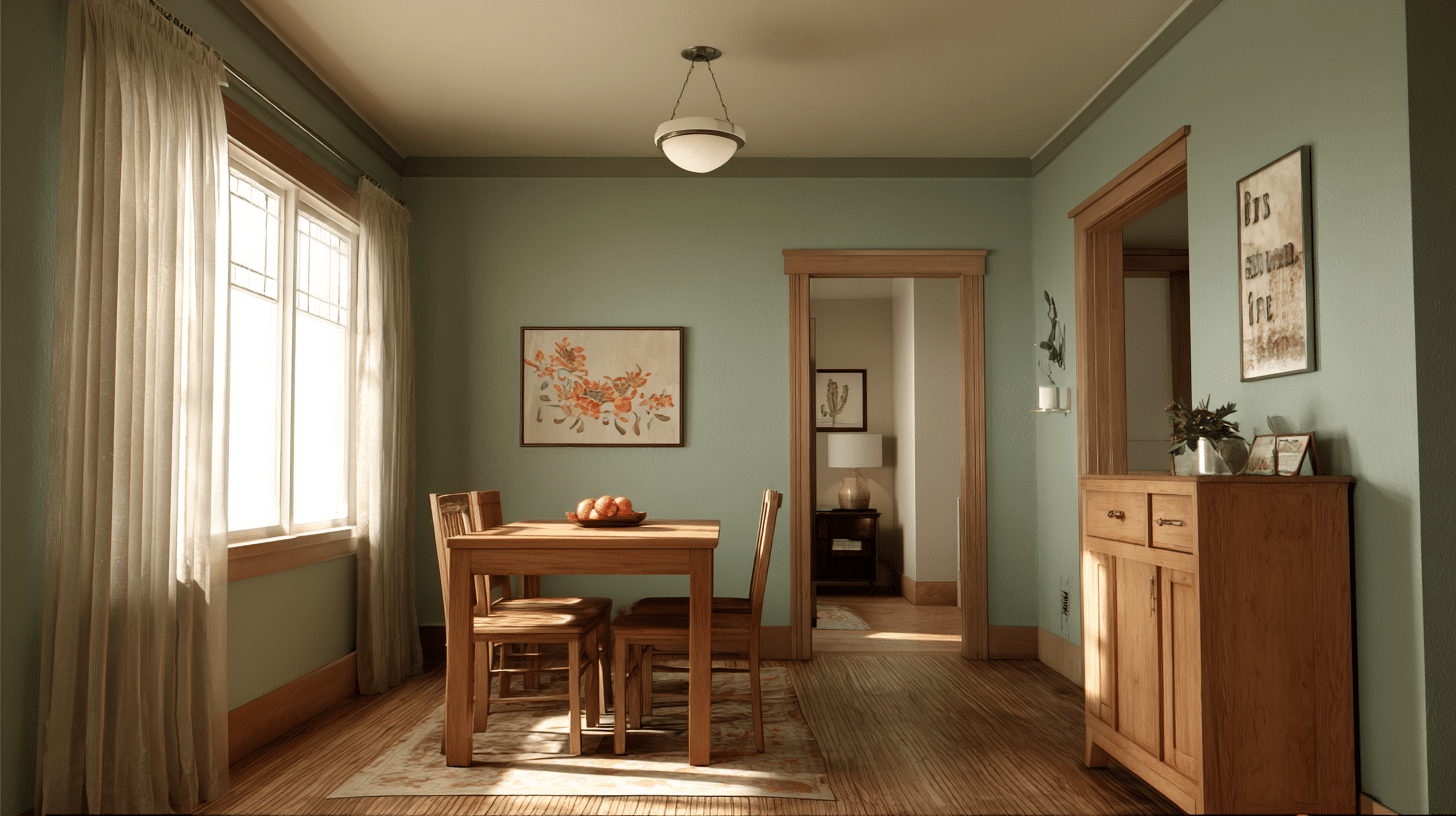
Flat finish has zero shine and creates a smooth, velvety appearance. It’s the go-to choice for ceilings and low-traffic areas where you won’t be touching the walls much.
Advantages:
- Hides surface flaws better than any other option
- Provides excellent coverage with fewer coats
Disadvantages:
- Difficult to clean without leaving marks
- Not suitable for high-moisture areas
Best for: Ceilings, formal dining rooms, adult bedrooms
2. Matte Paint Finish
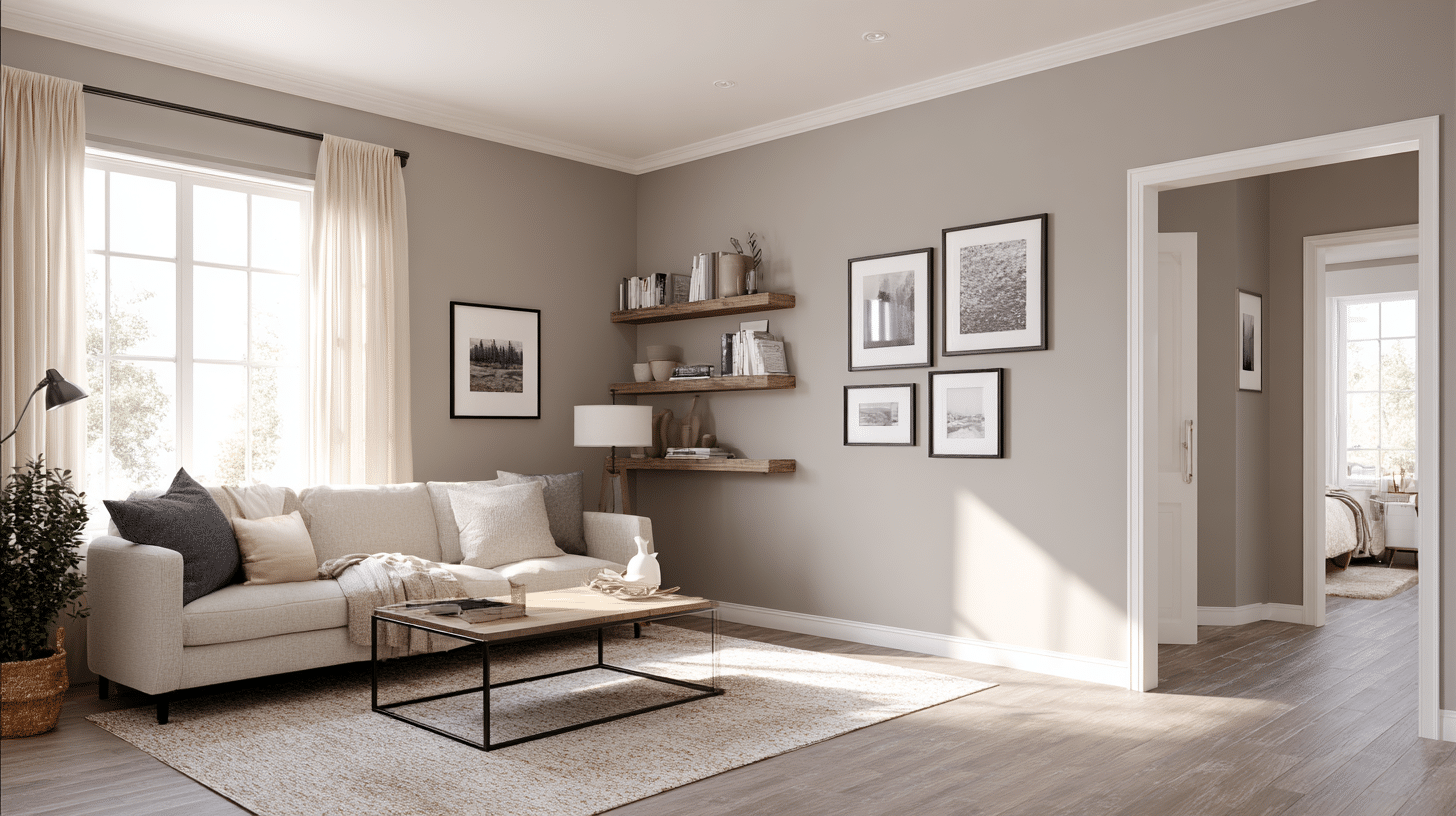
Matte sits just above flat with a tiny bit more durability. It still keeps that no-shine look but handles light cleaning slightly better.
Many people confuse matte with flat, but matte paint stands up to gentle wiping.
Advantages:
- Blends well for easy touch-ups
- Nearly identical appearance to flat with better cleanability
- Hides minor wall imperfections effectively
- Costs less than glossier finishes
Disadvantages:
- Still not very scrubbable
- Limited use in high-traffic areas
- Not ideal for moisture-prone rooms
Best for: Living rooms, bedrooms, low-traffic hallways
3. Eggshell Paint Finish
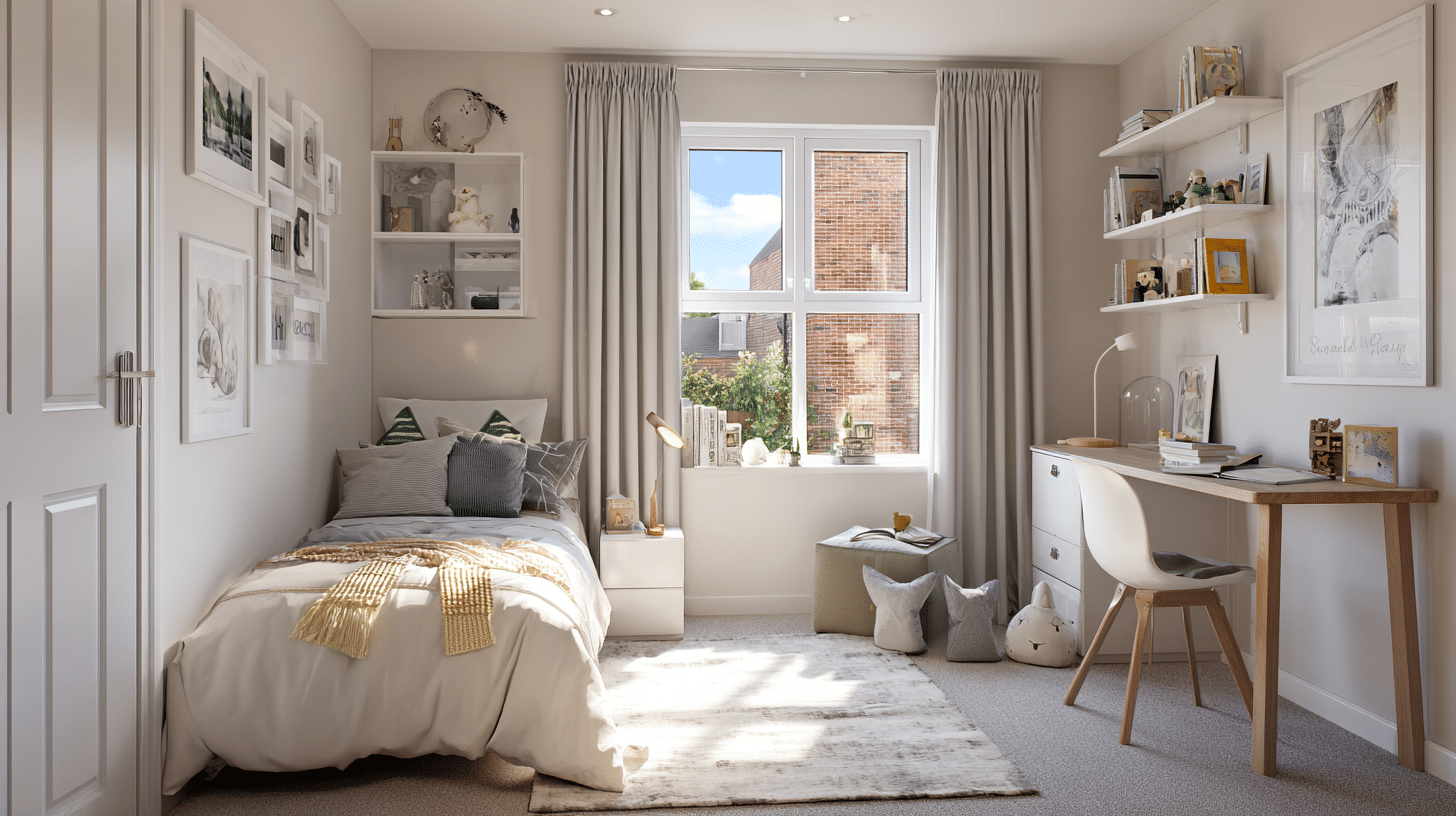
Eggshell gets its name from the subtle sheen that looks like an actual eggshell.
It bridges the gap between matte and satin, offering better durability while still hiding minor wall flaws.
This finish strikes a nice balance. It cleans easier than flat or matte, but doesn’t show every little bump on your walls. Most designers consider it the safest middle-ground option for main living spaces.
Advantages:
- Resists light scrubbing and stains
- Hides imperfections reasonably well
- Works in most rooms throughout your home
Disadvantages:
- Not as durable as glossier finishes
- May show marks in very high-traffic areas
Best for: Family rooms, dining areas, bedrooms with kids
4. Satin Paint Finish
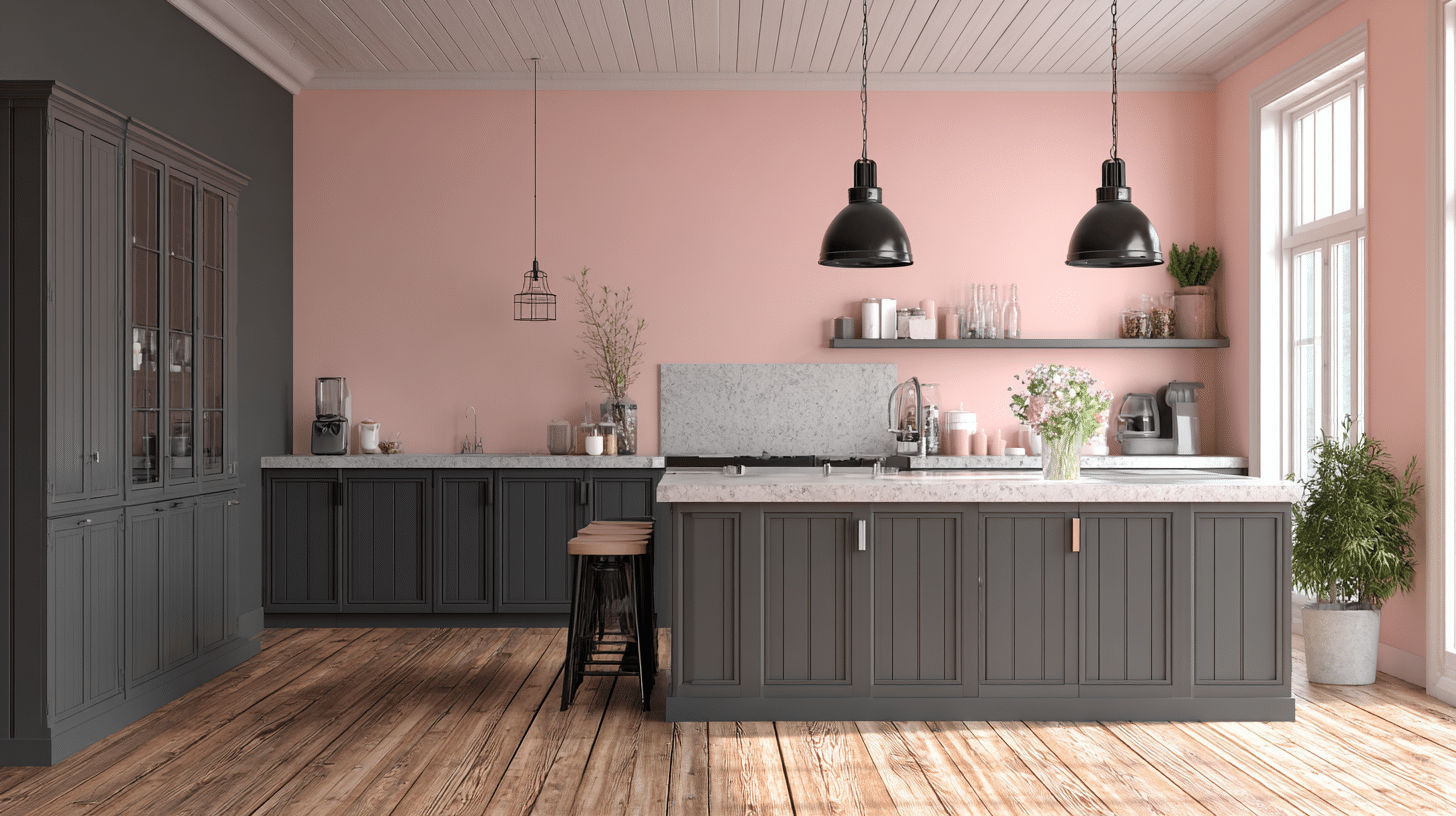
Satin has a soft, pearl-like glow that catches light without looking shiny.
It’s tougher than eggshell and handles moisture much better, making it practical for busy areas.
Advantages:
- Easy to clean and resists moisture
- Handles fingerprints and marks well
Disadvantages:
- Shows wall imperfections more than flatter options
- Requires better surface preparation
Families with young children often choose satin because sticky fingerprints and crayon marks wipe right off.
Best for: Kitchens, bathrooms, kids’ rooms, trim
5. Semi-Gloss Paint Finish
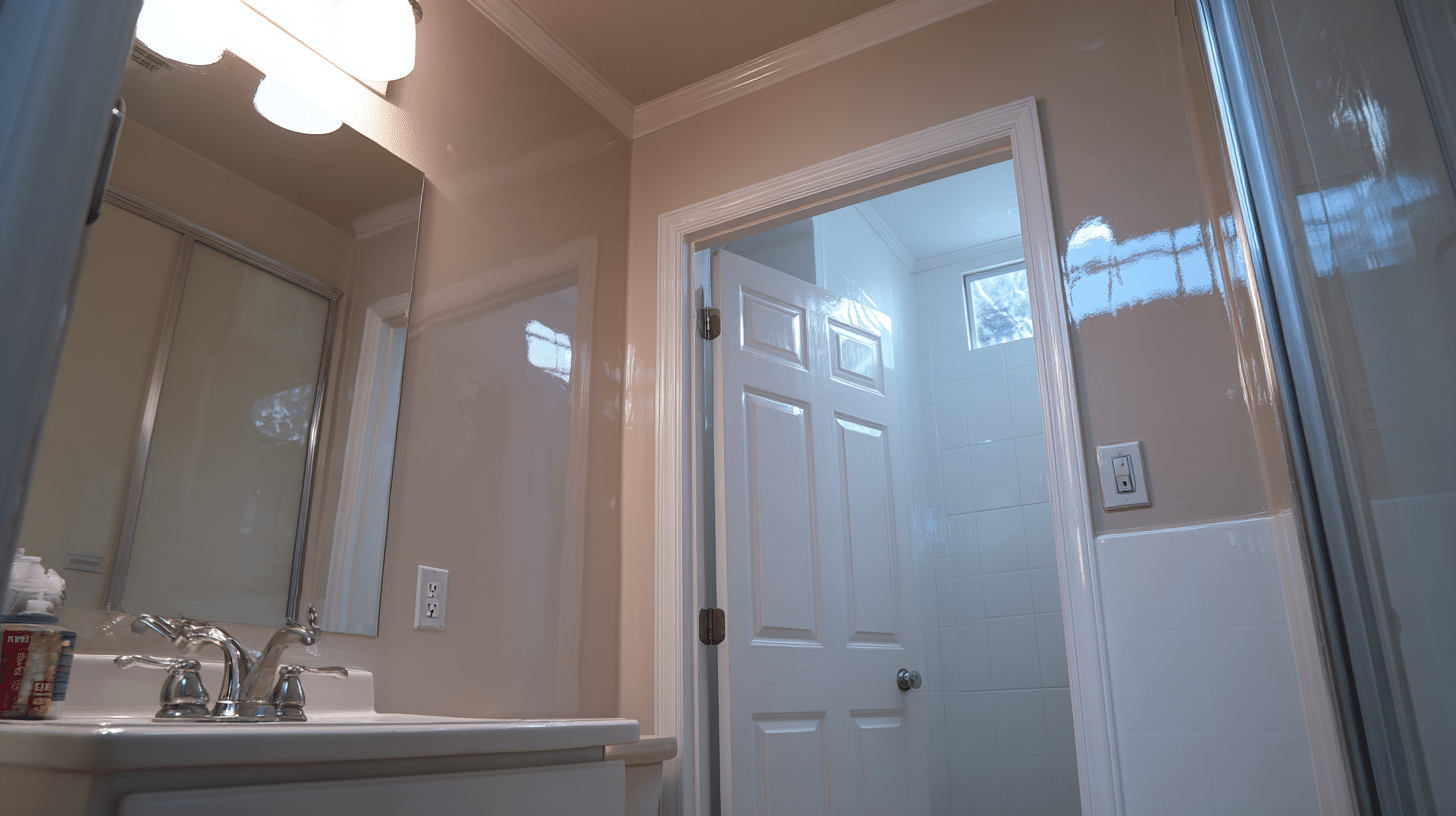
Semi-gloss reflects quite a bit of light and creates a noticeable shine.
It’s highly durable and stands up to frequent washing, which is why you’ll find it on trim, doors, and cabinets.
Advantages:
- Resists moisture, grease, and stains exceptionally well
- Cleans easily with soap and water
- Makes colors appear brighter and more vibrant
Disadvantages:
- Highlights every surface flaw
- Requires careful wall preparation
The glossy surface makes colors appear brighter and more vibrant than they would with a flatter finish.
Best for: Trim, doors, cabinets, high-moisture bathrooms
6. High-Gloss Paint Finish
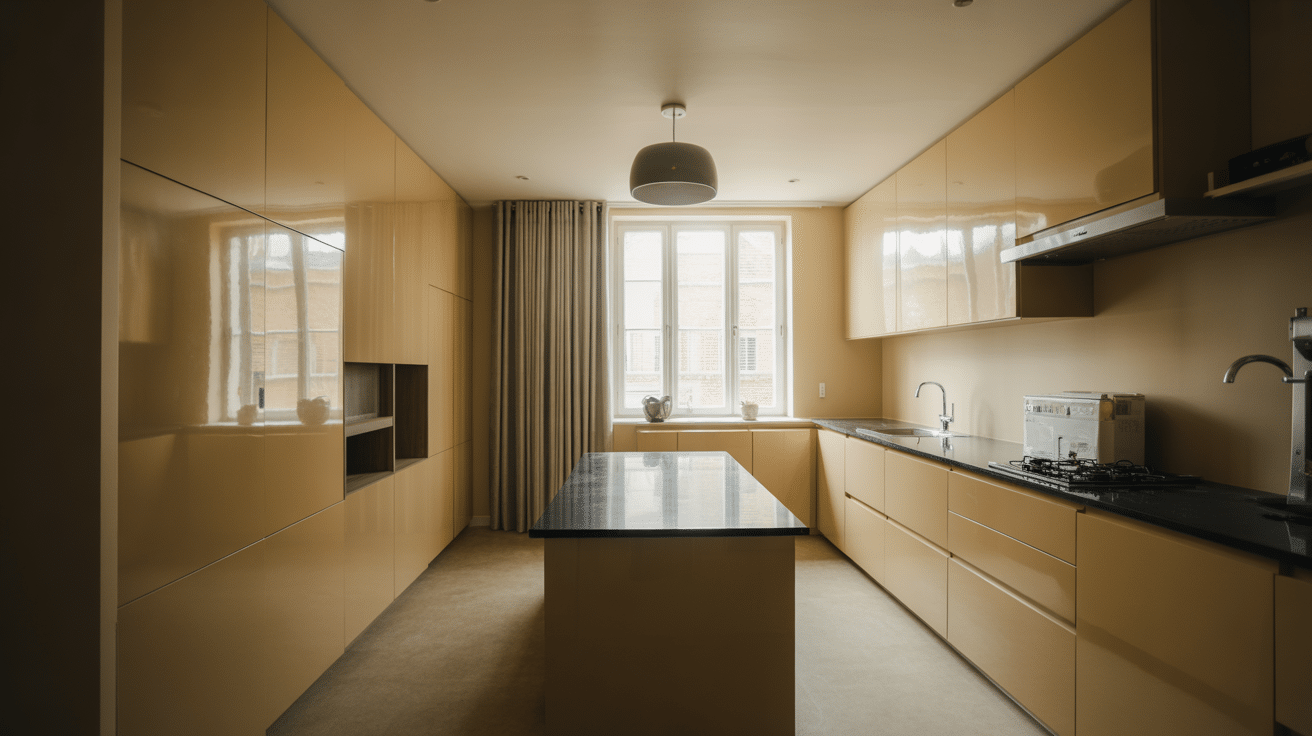
High-gloss delivers maximum shine and reflection.
It creates an almost glass-like surface that’s incredibly durable but shows every single imperfection on your walls.
Advantages:
- Toughest and most scrubbable option available
- Creates a striking, dramatic look
- Resists moisture and stains exceptionally well
- Reflects maximum light to brighten spaces
Disadvantages:
- Shows every imperfection clearly
- Requires expert preparation and application
- More expensive than other finishes
- It can look too shiny for some design styles
High-gloss works best on perfectly smooth surfaces. Any bumps, dents, or texture will stand out under this reflective finish.
Best for: Doors, cabinets, furniture, accent walls
Which is the Most Durable?
High-gloss and semi-gloss are the most durable finishes available.
High-gloss resists scrubbing, moisture, and stains better than anything else.
Semi-gloss offers similar toughness with less shine. Satin and eggshell work for moderate traffic but won’t handle constant cleaning. Flat and matte materials absorb moisture and are damaged easily.
Tougher finishes show every wall imperfection, so pick based on your surface condition and durability needs.
Which Finish is Perfect for Painting Exteriors?
Exterior paint needs to handle weather, moisture, and UV rays without fading or peeling.
The finish you choose determines how long your paint job lasts.
- Satin for siding: Resists moisture and mildew while hiding minor imperfections. Cleans easily and doesn’t show dirt as much.
- Semi-gloss for trim: Stands up to rain and humidity better. Adds visual interest and makes details pop.
- Semi-gloss for doors: Excellent for accent areas needing maximum protection.
Humid or rainy areas benefit from glossier finishes. Drier climates can handle satin without problems. Most professionals recommend satin for main surfaces and semi-gloss for trim.
Paint Finish to Use on Wood
Wood surfaces need finishes that protect against moisture, scratches, and daily wear.
The right choice depends on whether the wood is indoors or outdoors and how much traffic it receives.
Best Finishes for Wood
- Semi-gloss for cabinets and trim: Durable and easy to clean. Resists moisture and grease well.
- Satin for furniture: Good durability with a softer sheen for tables, chairs, and dressers.
- High-gloss for doors: Maximum protection with a striking look.
Interior vs. Exterior
Indoor wood can use satin or semi-gloss, depending on traffic levels. Outdoor wood requires semi-gloss or high-gloss for weather protection.
Flat and matte finishes don’t protect wood well. They absorb moisture and stains, making them unsuitable for wood surfaces. Semi-gloss strikes the best balance for most wood projects.
How to Choose the Right Paint Finish
Picking the right finish doesn’t have to feel complicated. Start by thinking about how you use each room and what matters most to you.
Consider the Room’s Purpose: High-traffic areas need tougher finishes like satin or semi-gloss. Bedrooms work fine with matte or eggshell.
Think About Moisture Levels: Bathrooms and kitchens need finishes that repel water. Satin and semi-gloss handle humidity without peeling. Skip flat or matte in these rooms.
Check Your Wall Condition: Glossier finishes show every bump and crack. Stick with flat, matte, or eggshell if your walls aren’t smooth.
Match the Finish to Traffic: Rooms with constant activity need durable options. Formal spaces can use flatter finishes.
Test Before Committing: Buy samples and paint small sections first. Check them in different lighting throughout the day. Finishes change appearance based on light.
Consider Your Cleaning Habits: If you clean walls frequently, choose semi-gloss or satin. These finishes withstand scrubbing without damage. Flatter options work if you rarely touch the walls.
Final Thoughts
Choosing between paint finishes for walls transforms how your rooms look and function. Match glossier options to high-traffic spaces and save flatter finishes for quieter areas.
Consider moisture levels, wall condition, and cleaning needs before buying.
Test samples in your actual lighting conditions, and don’t use the same finish everywhere. The right choice means walls that look better and last longer.
Time to grab those samples and see which finish brings your vision to life.