Why Your Fashion Portfolio Matters
Your portfolio is your calling card in the fashion industry. It’s often the first thing employers, clients, or schools see before meeting you. A strong portfolio can open doors that your resume alone cannot.
Think of it as visual proof of your skills. Your portfolio demonstrates how you think, solve problems, and bring ideas to life.
A good portfolio also sets you apart from other candidates. It shows your unique style and vision.
Beyond getting jobs, your portfolio helps you better understand your own work. Building it forces you to evaluate your strengths. You learn what type of designer you want to become.
Steps to Create Your Portfolio
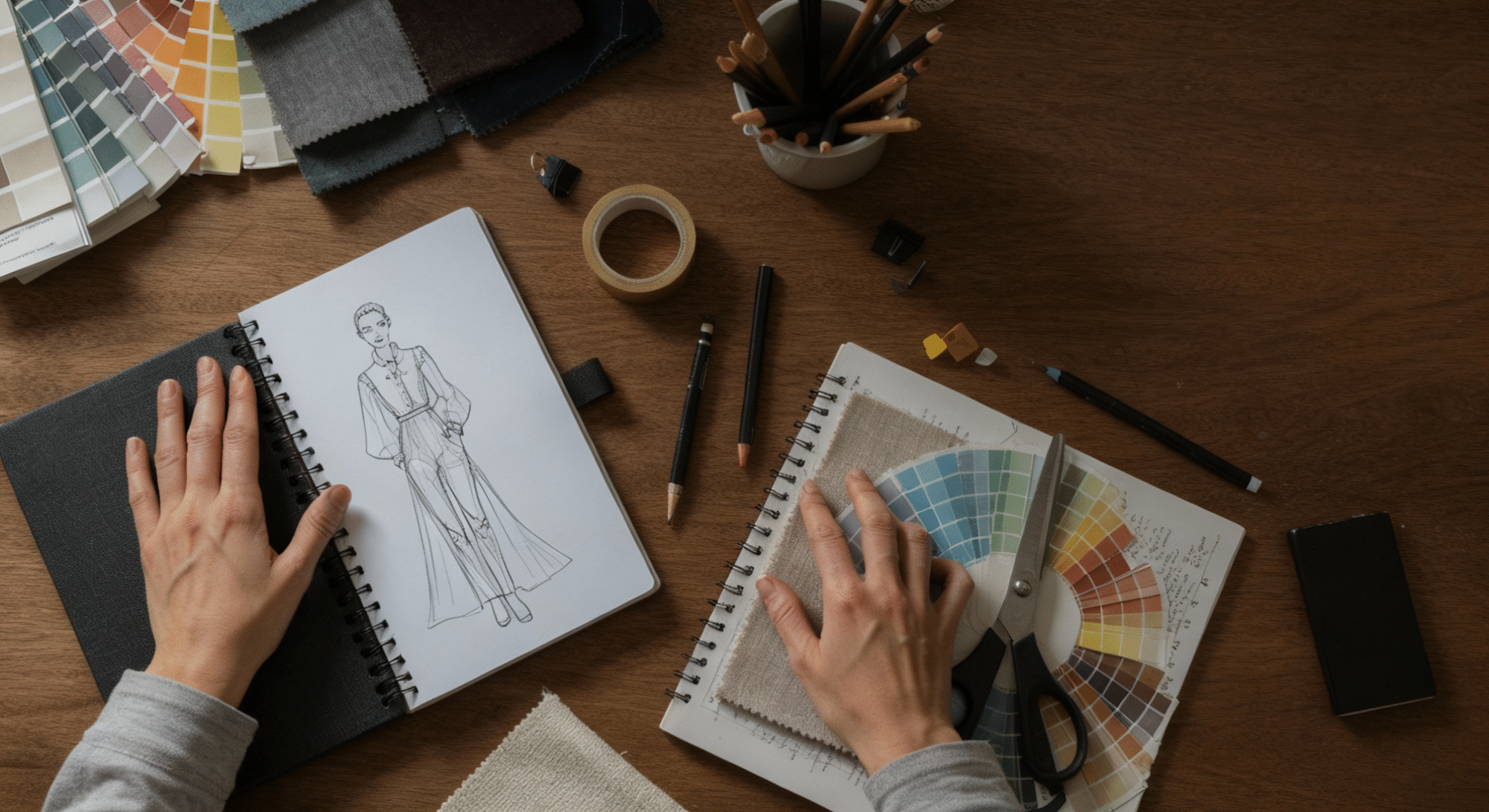
Building your fashion portfolio doesn’t have to be complicated. Follow these five steps to get started.
Step 1: Select Your Best Work: Choose 10-15 pieces that show your range. Quality beats quantity every time. Pick designs that tell a story about your style and skills.
Step 2: Organize by Theme or Skill: Group similar pieces together. This helps viewers follow your creative process. It also makes your portfolio easier to navigate and understand.
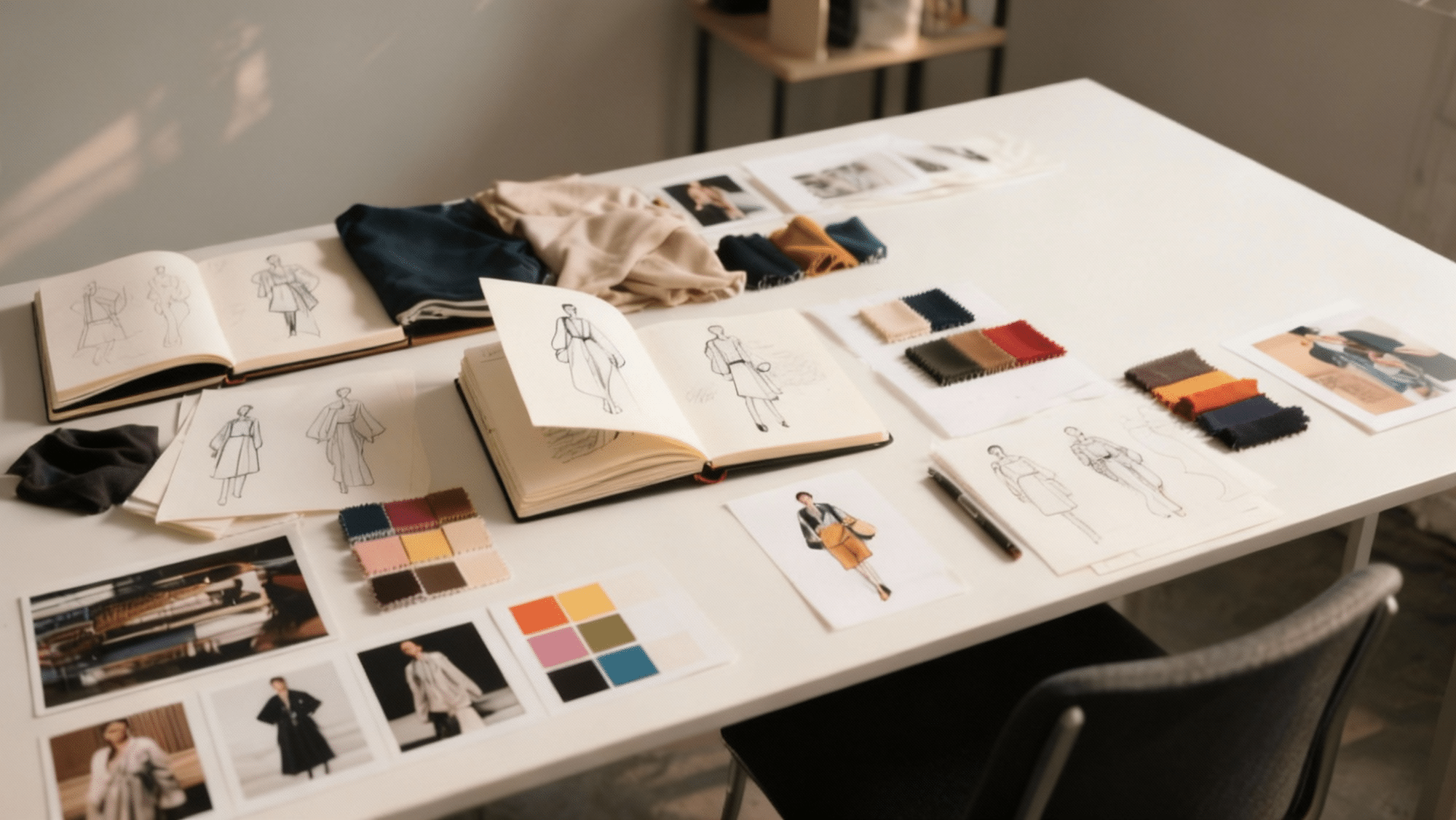
Step 3: Include Process Sketches: Show how you develop ideas from concept to final design. Add sketches, mood boards, and fabric samples. This proves you can think through a project from start to finish.
Step 4: Write Brief Descriptions: Explain each project in 2-3 sentences. Mention your inspiration and techniques used. Keep it simple and let the work speak for itself.
Step 5: Choose Your Format: Decide between a digital and a physical portfolio. Digital works well for online applications. Physical portfolios shine during in-person interviews and presentations.
Fashion Design Portfolio Examples
Let’s look at real examples that work. Each one teaches something different about presenting your designs.
You can mix elements from different styles, too.
1. The Minimalist Portfolio
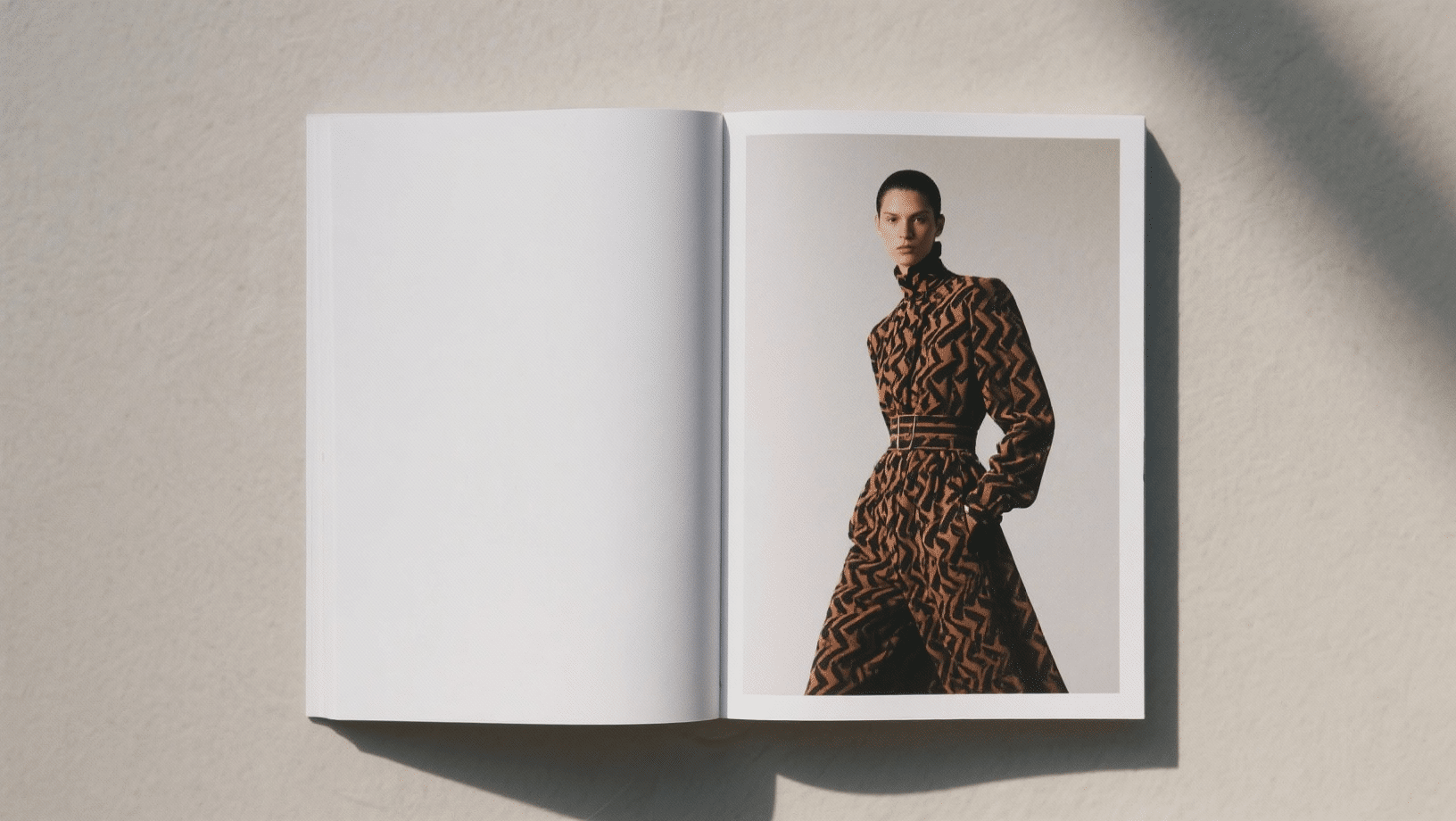
Clean layouts with lots of white space. This style works well with clothes that have bold patterns or colors.
The focus stays on your garments, not distracting backgrounds. Use neutral colors for pages. Let your designs be the star of the show.
2. The Storyteller Portfolio
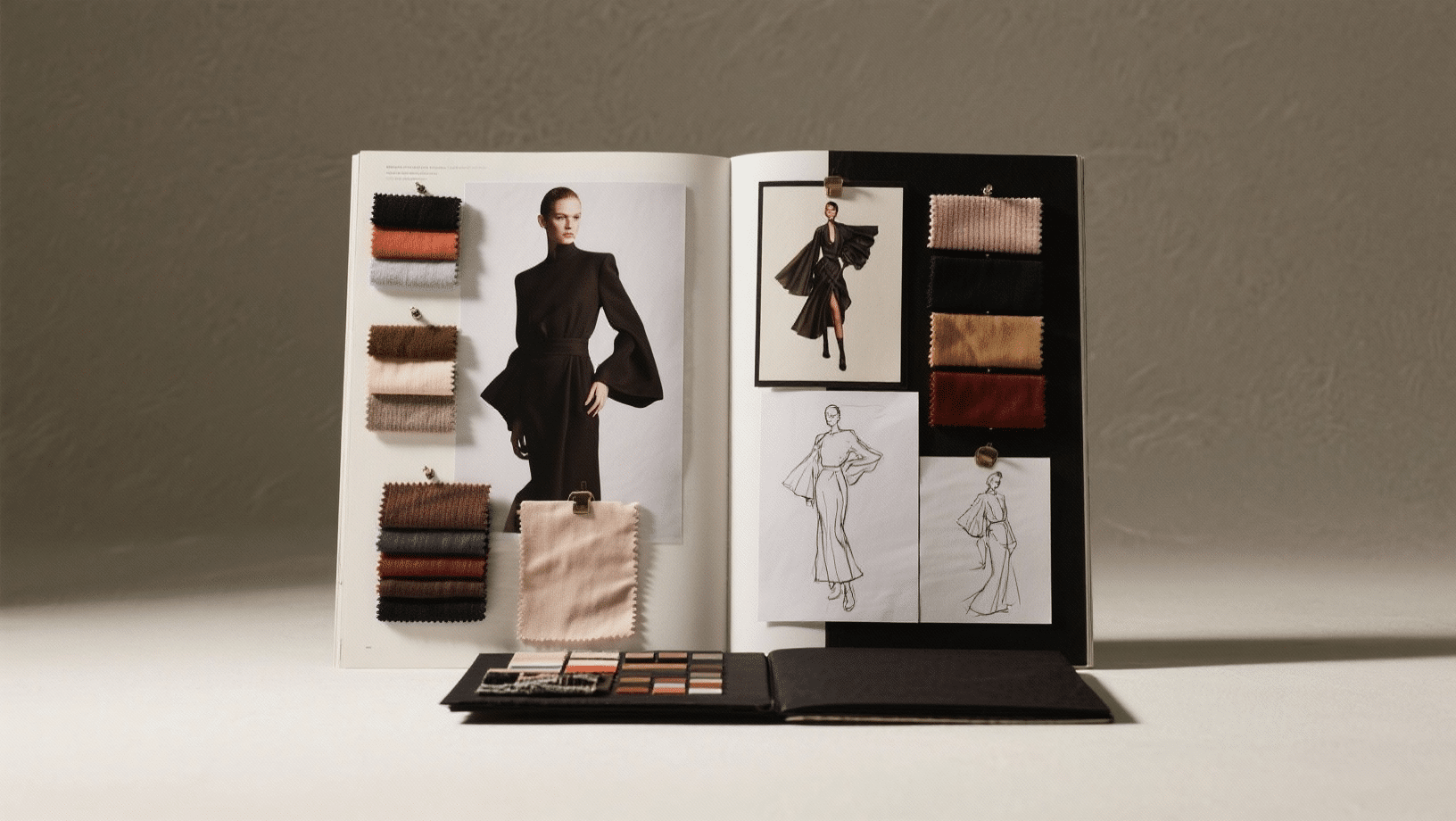
Every collection tells a complete story. It includes mood boards, sketches, and final photos. Viewers see the entire creative process from start to finish.
Start with your inspiration sources. Add fabric selections and color palettes. End with finished garments on models or mannequins.
3. The Editorial Style Portfolio
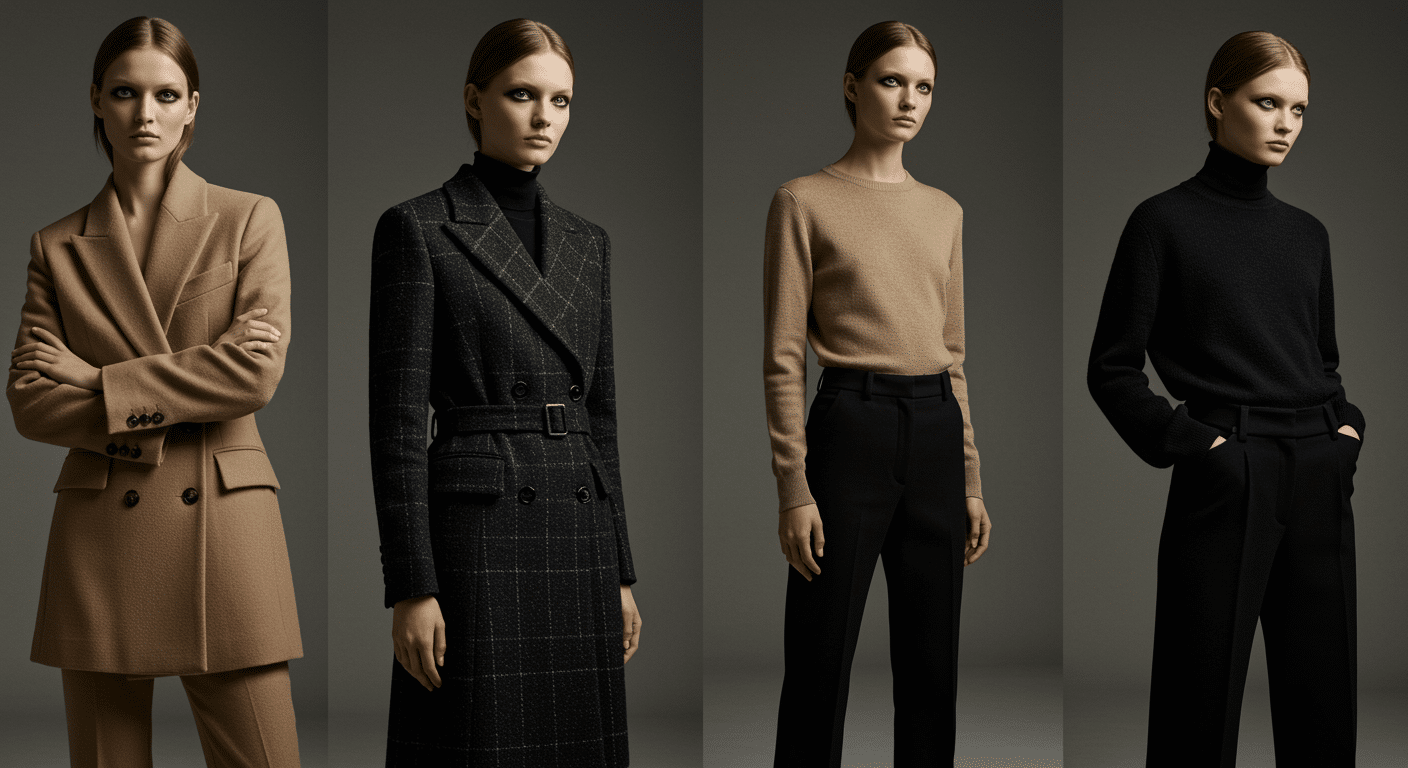
Uses high-quality fashion photography. Models wear the designs in styled shoots. It looks like pages from a magazine.
Work with a photographer if possible. Pay attention to lighting and styling. Even simple backgrounds work if the photos are sharp and professional.
4. The Sketchbook Portfolio
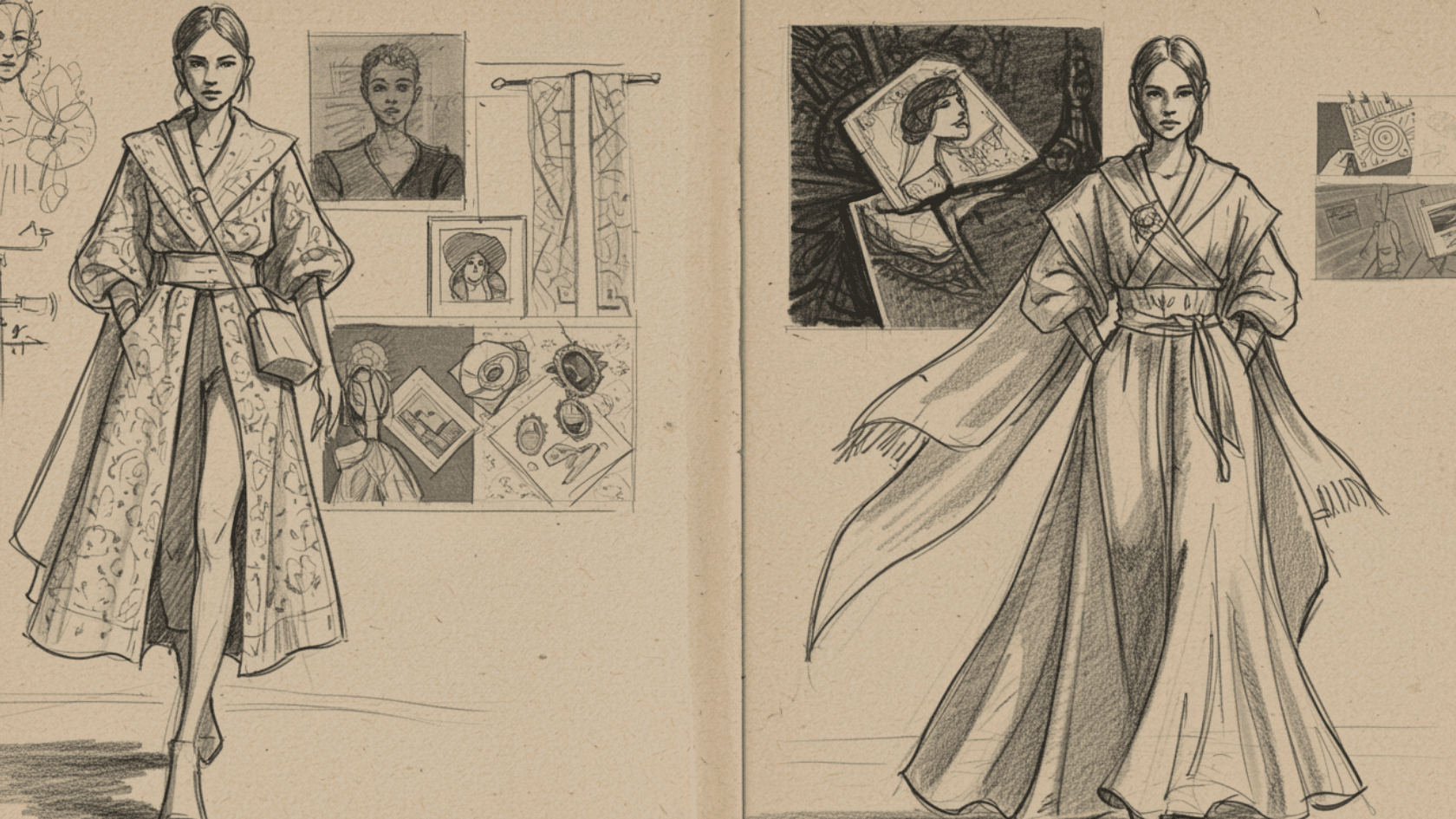
Raw and original with hand-drawn illustrations. Includes notes and fabric swatches. Shows personality and creative thinking in real time.
Don’t worry about perfect drawings. The energy and ideas matter more.
5. The Accessory-Included Portfolio
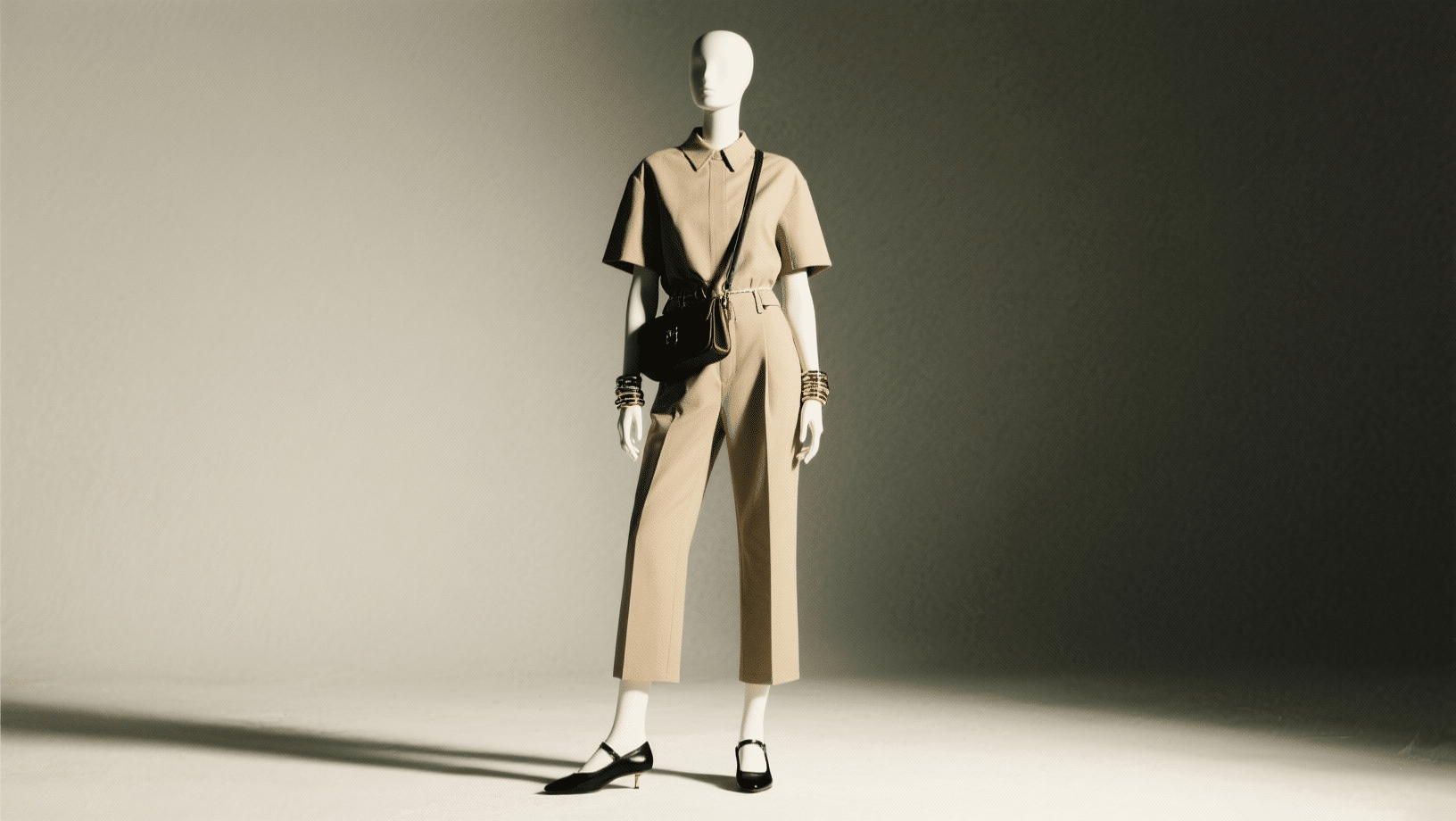
Features complete looks with shoes, bags, and jewelry. Shows you think about styling, not just clothing. Demonstrates attention to detail.
Complete outfits show better than clothes alone. Add belts, scarves, or hats. Even simple accessories make a look feel finished and thought-through.
6. The Mixed Media Portfolio
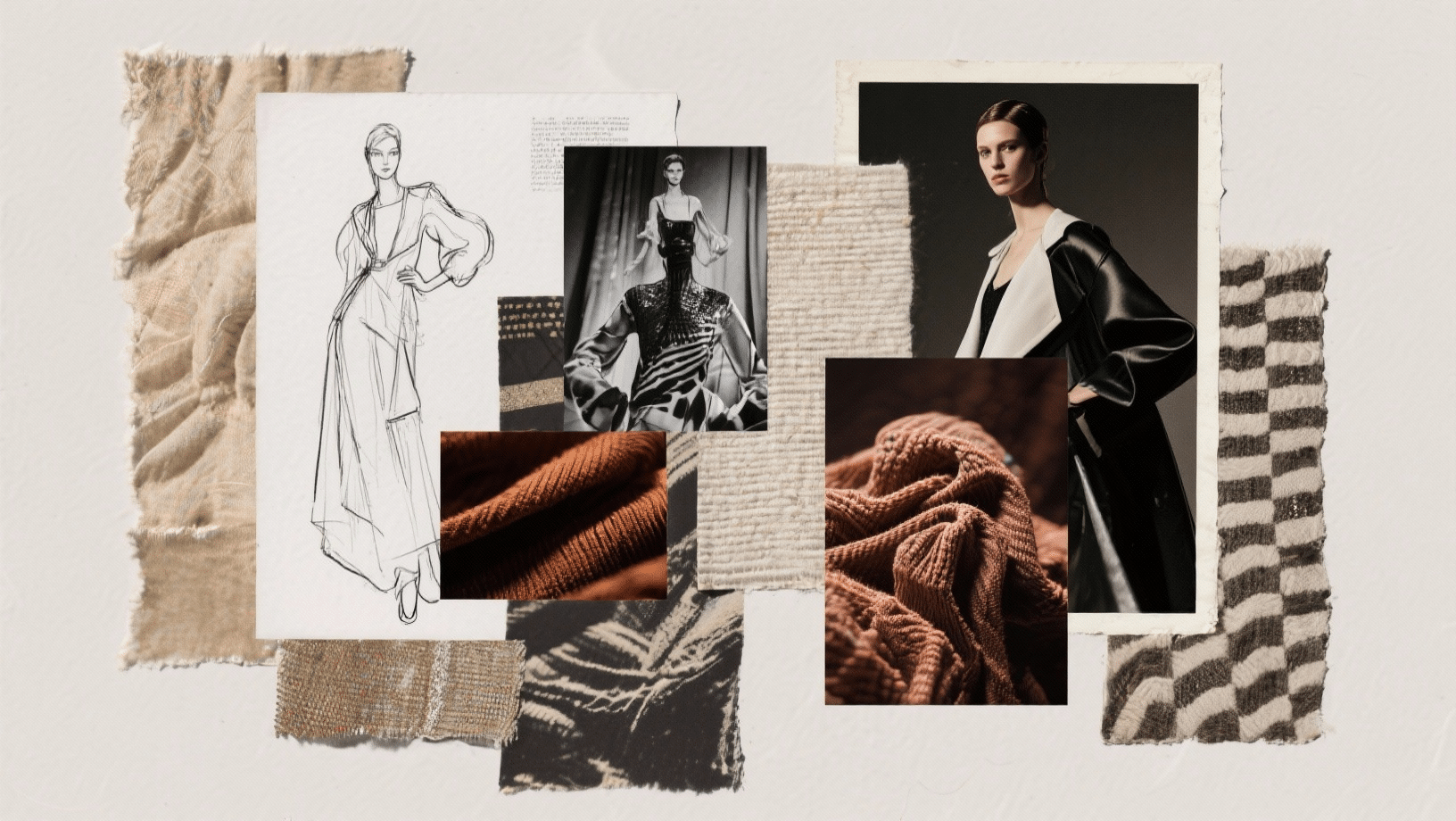
Combines different presentation styles. Uses photos, sketches, and flat lays together. Keeps things interesting and shows versatility.
One page might have illustrations. The next shows studio photos. Variety keeps people engaged as they flip through your work.
This style prevents your portfolio from feeling repetitive or boring.
7. The Print and Pattern Portfolio
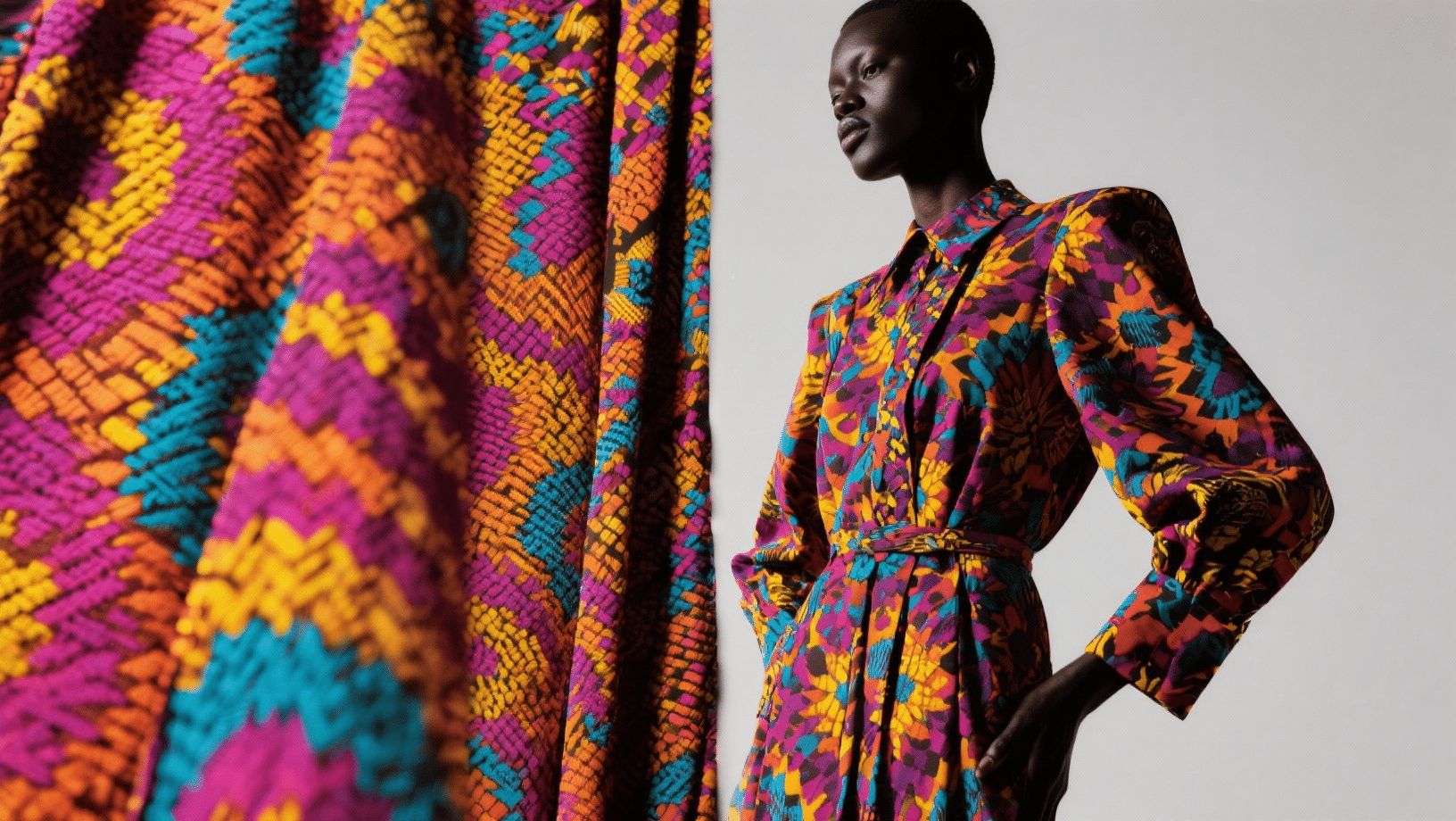
Focuses on textile design and surface patterns. Shows original prints you’ve created. Great if pattern design is your strength.
Display patterns on their own first. Then show them applied to garments. Include close-ups so details are visible. Explain your design process for each print.
People with strong illustration skills often excel with this style.
Fashion Design Portfolios of Top Designers
Learning from successful designers helps you build your own portfolio. These real examples show different approaches that worked.
Stella McCartney
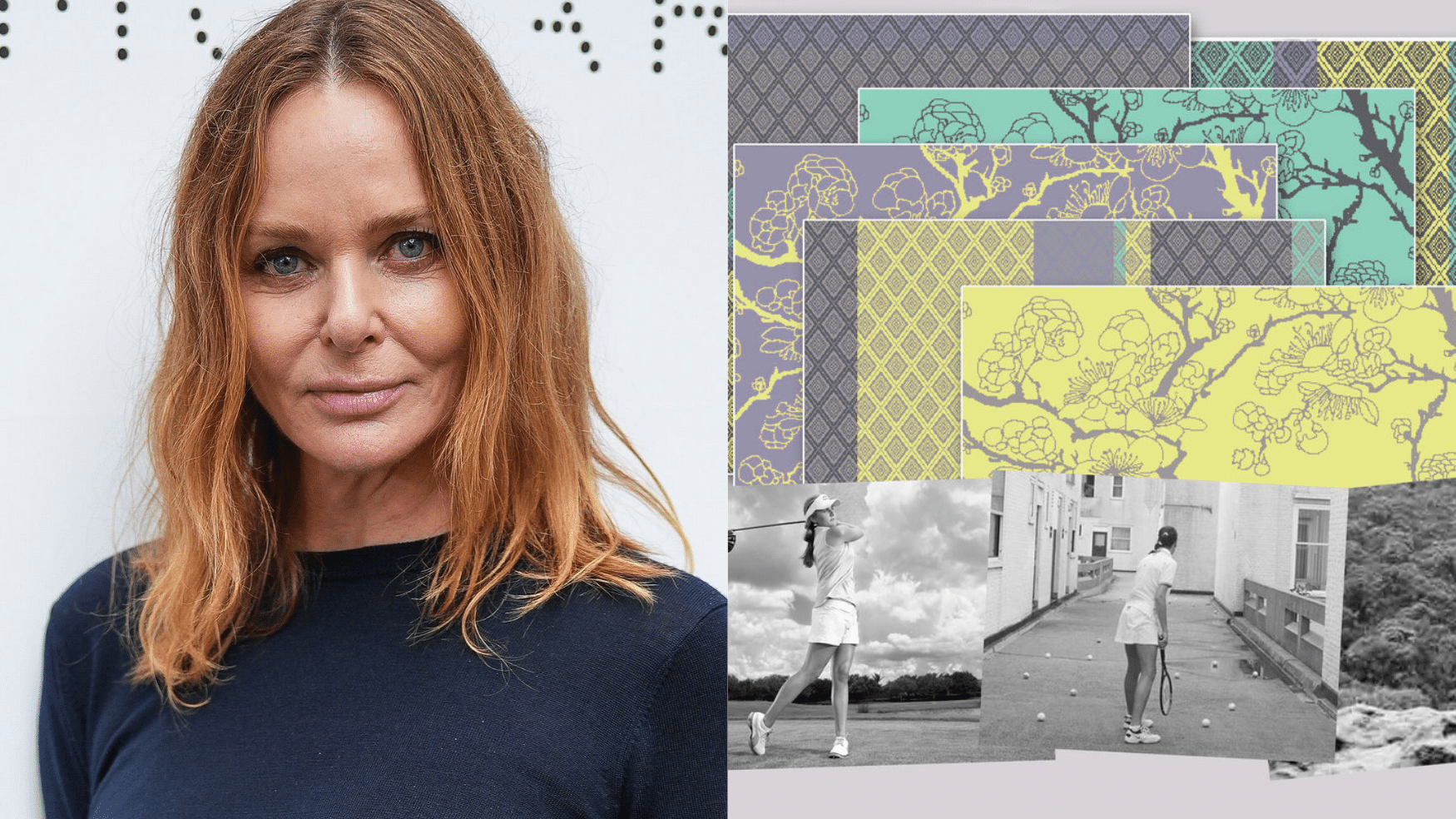
Her early portfolio focused on sustainable fashion before it became popular. She showed eco-friendly fabrics alongside sleek designs.
Each piece included notes about ethical sourcing and production methods.
McCartney’s work proved that sustainable fashion could look luxurious. Her portfolio balanced creativity with environmental responsibility. Students interested in ethical design can learn from her approach.
Paolo Belleri
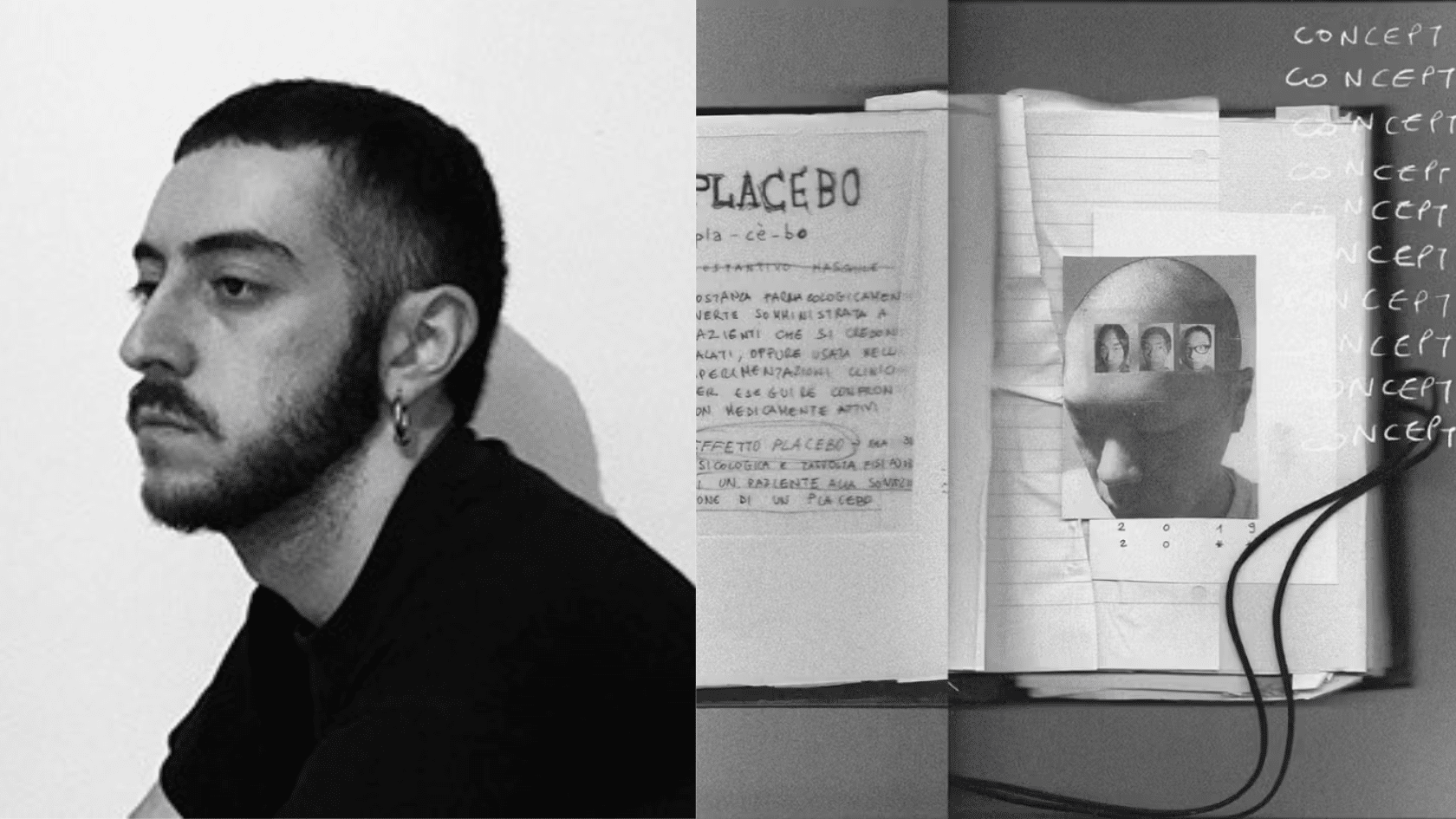
Paolo’s portfolio grabs attention right from the start with a bold front page that screams individuality. The black-and-white color scheme brings a rock-and-roll energy that feels fresh and different.
His fashion sketches use a pitch-black background with white, chalk-like drawings that create a striking contrast.
The image selection throughout his portfolio matches the mood of his designs perfectly. You can sense the 80s influence and edgy attitude in every page of Paolo’s work.
Tannistha Manna
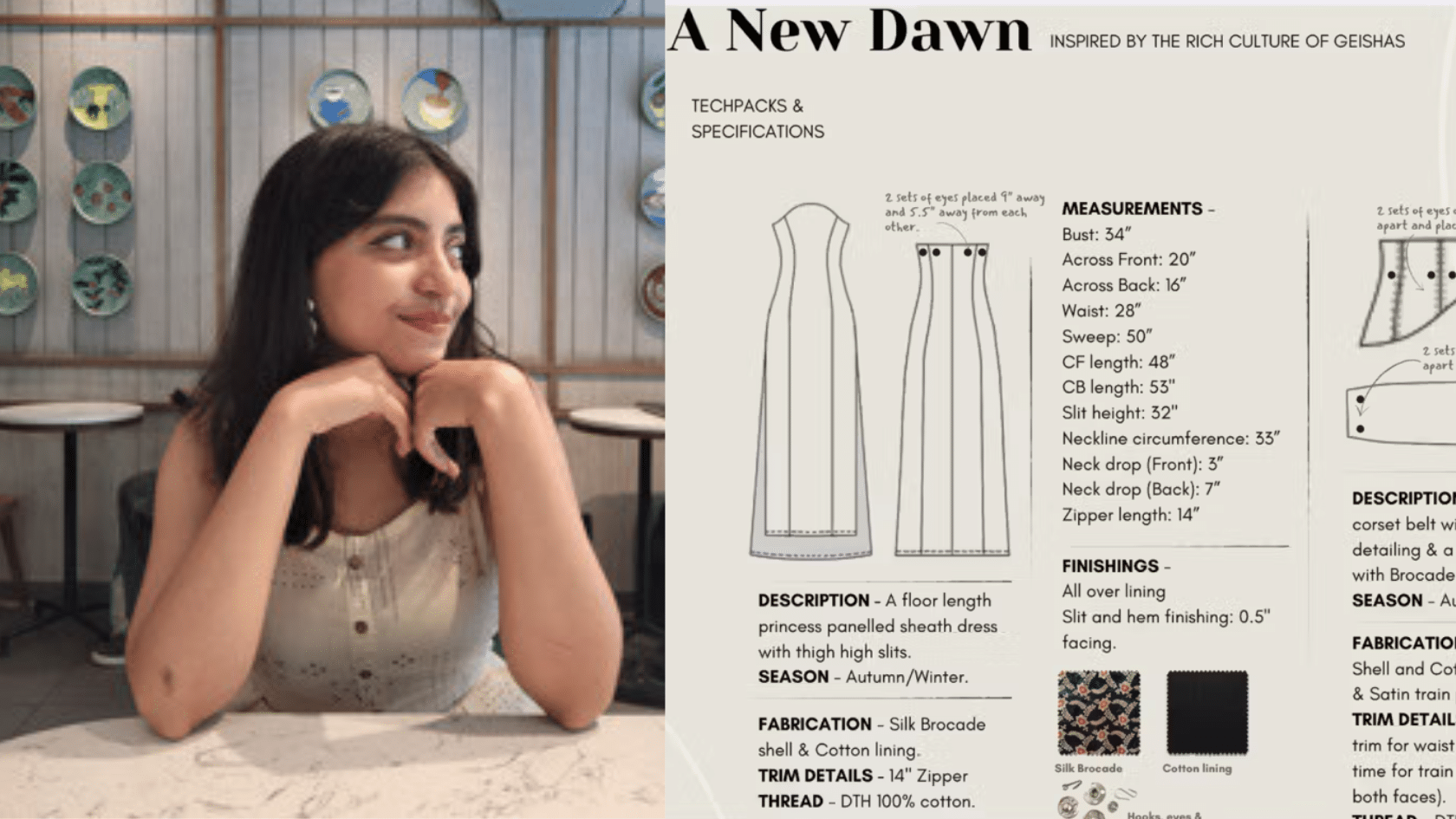
Tannistha’s resume blends copy and design beautifully, giving you just enough information.
One standout feature of her portfolio is her inclusion of techpacks and specifications without hesitation.
Her attention to detail makes the design process clear, transparent, and easy to follow from start to finish.
Rei Kawakubo
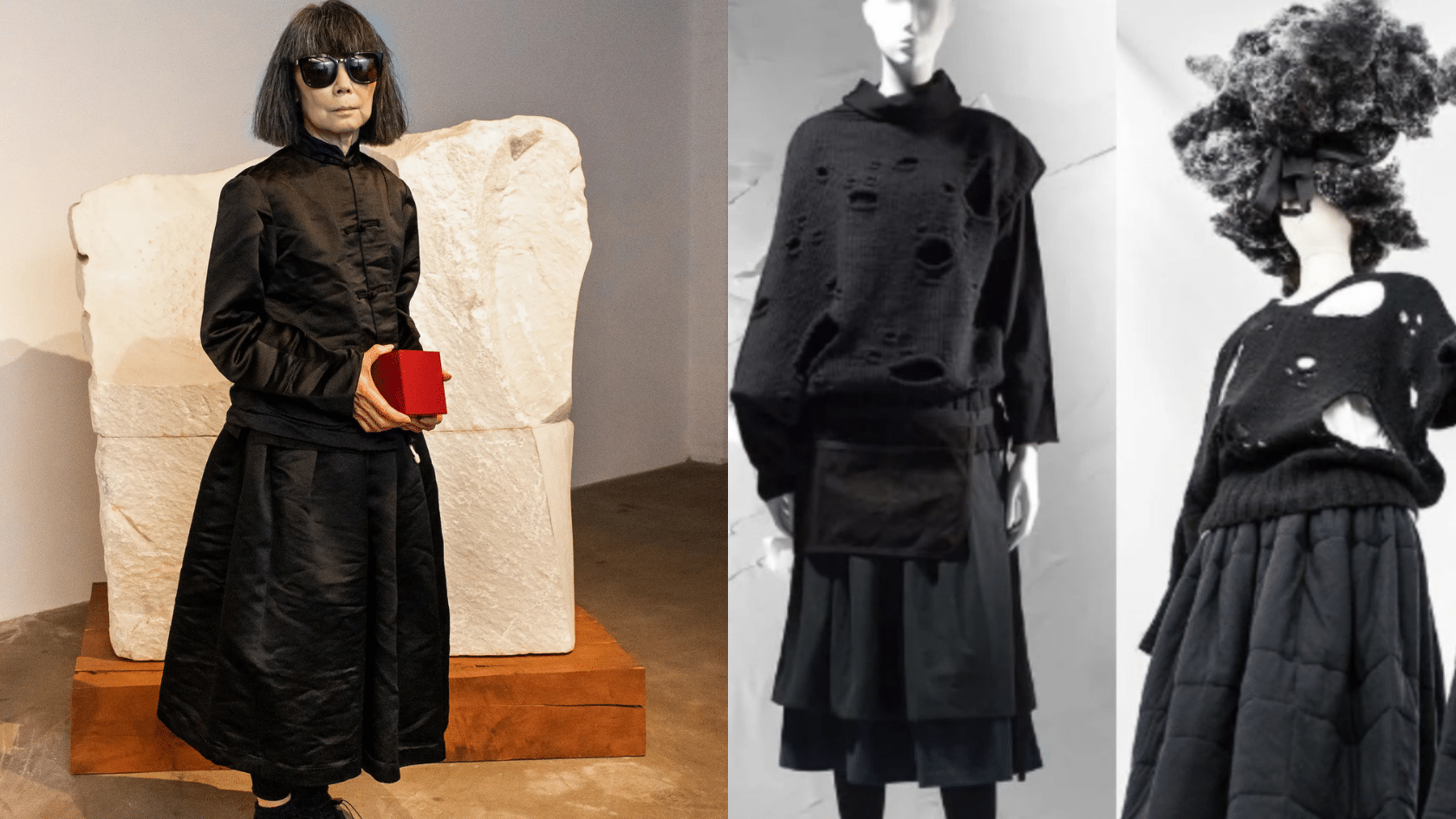
Kawakubo’s Comme des Garçons portfolios challenge conventional beauty. She presents deconstructed garments and unusual silhouettes. Her work questions what fashion should be.
The presentation style matches her designs: unconventional and thought-provoking.
She proves that portfolios don’t need to follow standard formats. Breaking rules works when you have a clear vision.
Mistakes to Look Out For
Even talented designers make these errors. Watch out for them when building your portfolio.
- Including too many pieces: Less is more. A portfolio stuffed with 30+ designs looks unfocused. Stick to your 10-15 strongest works instead.
- Using poor-quality photos: Blurry images hurt your presentation. They make good designs look amateur. Clear, well-lit photos show your work in the best light.
- Showing only finished products: Viewers want to see how you think and solve problems. Include sketches, mood boards, and development stages.
- Ignoring the target audience: A portfolio for luxury brands differs from one for fast fashion. Research where you’re applying and adjust accordingly. What works for one company might fail at another.
- Forgetting to update regularly: Portfolios need refreshing as you grow. Old work from years ago might not represent your current skills. Replace weaker parts with stronger replacements as you improve.
Final Thoughts
Creating a strong fashion design portfolio takes time and effort.
You now have examples to help you. You know the steps to follow. And you understand what mistakes to avoid.
Start by selecting your best work. Organize it so it tells your story. Add process sketches and brief descriptions. Then choose the format that works for your goals.
Update it as you grow and improve. Remove older pieces. Add new designs that show your current skills.
Start building it today. Go through your work and pick your strongest pieces. Your portfolio is your ticket to opportunities in fashion.