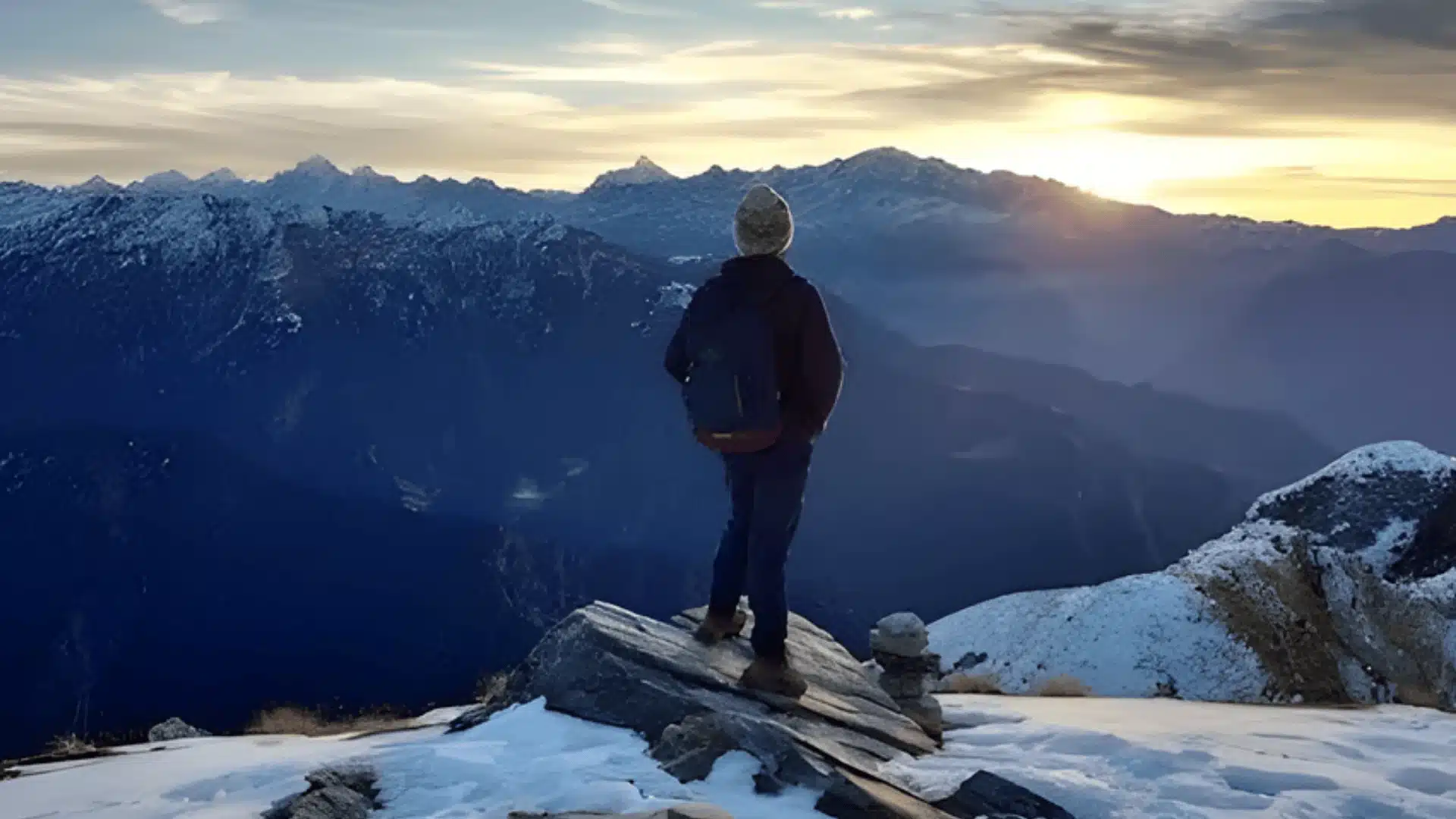
Ever felt stuck at home while others post solo travel photos?
Traveling alone sounds scary. You worry about safety. You think about eating dinner by yourself. The fear of getting lost in a strange city keeps you awake at night.
Solo travel is actually easier than you think. Thousands of people do it every day. They connect with other travelers, join online forums, and share their stories.
This article will show you how to start your solo trip with confidence.
Travelling for the First Timers
Start small and simple. Pick a destination close to home for your first trip. Book a safe hostel or hotel in a central location.
Make a basic plan, but stay flexible. Don’t over-schedule yourself. Keep your phone charged and buy a local SIM card. Pack light. Bring half the clothes you think you need.
Most importantly, remember that thousands of first-timers travel solo every day. You’ve got this.
Key Factors to Help You Plan Your First Solo Trip

Planning your first solo trip doesn’t have to feel overwhelming. You just need to focus on a few important things.
- Set a daily spending limit for food, hotels, and activities
- Decide if you want a weekend trip or a longer stay
- Consider destinations where you speak the language or where English is common
- Check travel advisories and read recent traveler reviews
- Start with shorter flights or train rides for your first trip
Your travel style matters too. Do you like museums or hiking? Choose a destination that offers what you enjoy.
Don’t book everything at once. Start with your flight and first night’s hotel. Leave room to change plans as you go.
Where to Visit for Your First Solo Trip
Choosing the right destination makes all the difference for first-timers. Pick places known for being safe. Look for cities with good public transport.
Here are some beginner-friendly options:
Portugal: Affordable prices with hostels under $20 per night. Locals speak English and love helping tourists.
Japan: Extremely safe at any hour. Trains run on time and reach everywhere.
New Zealand: English-speaking, with outdoor activities on every corner. Hostels organize group trips daily.
Thailand: Your dollar stretches far with $5 meals and $10 hotels.
Iceland: Compact size means you can see the whole country in a week. Tours pick you up from your hotel.
Research the Best Seasons to Visit for Your Location

Timing can make or break your solo trip. The wrong season means bad weather, crowds, or sky-high prices.
Check the Weather Patterns
Look up average temperatures and rainfall for your destination.
Rainy season might sound bad, but it often means fewer tourists and lower prices.
Avoid Peak Tourist Season
High season means expensive hotels and crowded attractions. You’ll spend more time waiting in lines than exploring. Shoulder season offers the sweet spot.
The weather stays nice, but prices drop.
Consider Local Festivals and Holidays
Some festivals make trips more exciting. Others shut down entire cities.
Research major holidays before you book. Local celebrations can enhance your experience.
Look at Flight Prices Across Different Months
Use flight comparison tools to spot cheap travel months. Sometimes flying one week earlier saves hundreds of dollars.
Mid-week flights often cost less than weekend ones.
Use Other Solo Travelers’ Itineraries for Inspiration
You don’t need to plan everything from scratch. Other solo travelers have already done the hard work.
Where to Find Itineraries
Online Resources:
- Travel blogs with detailed day-by-day plans
- Reddit forums like r/solotravel
- YouTube vlogs showing real experiences
- Instagram travel accounts with location tags
What to Look For
Copy the routes that match your interests. Skip activities that don’t appeal to you. Mix ideas from multiple travelers to create your own plan.
Real itineraries show realistic timing. They reveal hidden costs and practical tips you won’t find in books.
Making Solo Travel Comfortable: Accommodation, Food, Safety Tips & Getting Around

Solo travel gets easier when you nail the basics. Let’s cover where to stay, how to eat alone, and moving around safely.
Choosing the Right Accommodation
Your accommodation choice shapes your entire experience. Hostels work great for meeting people. Hotels offer privacy when you need it.
These are some of the best options for solo travelers:
- Hostels: Cheap, social, and perfect for making friends
- Guesthouses: Mid-range with helpful hosts
- Airbnb: Private space with local recommendations
- Capsule hotels: Budget-friendly in major cities
Book places with good reviews from other solo travelers. Check if they’re in safe neighborhoods with easy transport access.
Eating Alone Without Feeling Awkward
Sit at the bar or counter in restaurants. You’ll chat with staff and other diners. Bring a book if you feel self-conscious.
Try street food markets for casual, affordable meals. Book cooking classes to eat with other travelers.
Getting Around Safely
Transportation stresses out many first-time solo travelers. But it’s simpler than you think.
Transportation Tips:
- Download offline maps before you arrive
- Use official taxis or trusted apps like Uber
- Keep small bills for buses and vendors
- Walk during daylight to learn your neighborhood
Public transport saves money and shows you real local life.
Essential Safety Tips
- Share your location: Send your itinerary to family or friends back home
- Stay connected: Keep your phone charged and buy a local SIM card
- Avoid late-night walks: Use taxis or rideshares after dark in unfamiliar areas
- Keep copies of documents: Store passport copies separately from the original
- Blend in: Don’t flash expensive jewelry or cameras in crowded place
How to Gain the Confidence to Travel Alone
Fear holds most people back from solo travel. But confidence grows with small steps.
1. Start With Short Local Trips: Test solo travel close to home first. Book a weekend in a nearby city. Eat alone at restaurants. Walk around without a plan. These mini-trips build your skills.
2. Practice Being Alone in Public: Get comfortable with solo activities before you leave. Go to movies alone. Sit in cafes by yourself. Take walks without headphones. Being alone stops feeling weird.
3. Connect With Other Solo Travelers Online: Join Facebook groups for solo travelers. Read their stories and ask questions. Seeing others do it makes it feel possible.
4. Trust Your Instincts: Your gut feeling keeps you safe. If something feels off, leave. If someone seems trustworthy, chat with them.
Have a Go-To List of Things to Do
Boredom hits differently when you travel alone. A backup list keeps you moving forward.
Write down 10-15 things you want to do. Include museums, restaurants, parks, and local markets. Add some free activities too.
List Ideas:
- Three must-see attractions
- Two local restaurants recommended by travelers
- One walking tour or free activity
- Coffee shops with good wifi
- Backup indoor options for rainy days
Keep this list on your phone. When you feel lost or lonely, pick something from it. Having options prevents panic and wasted time.
Engaging With Solo Travel Communities & Forums
People who travel alone on Reddit talk about very mixed feelings.
Many say solo trips can be fun, exciting, and a chance to meet new people and learn about yourself. Some feel free and happy doing things their own way and plan their days how they want.
But others talk about stress, loneliness, and fear, especially at first or when plans don’t go well. Some posts show that making friends can be hard, and some people feel lonely even if they meet others.
Overall, many say solo travel is a big learning experience that isn’t always perfect but can help you grow.
Click here for the whole thread
Conclusion
Solo travel teaches you more than any guidebook ever could. You learn to solve problems on your own.
You meet people from different cultures. You gain confidence that stays with you long after you return home.
The communities and forums you join become lifelong resources. They support you through planning, traveling, and beyond.
So stop waiting for the perfect travel partner. Your solo trip is waiting.