Finding the right fade can completely redefine a person’s look and confidence.
Many men struggle to choose between subtle gradients and bold contrasts, unsure which best complements their features or lifestyle.
This is where understanding the low fade vs high fade becomes essential. Both deliver sharp, stylish results, but each creates a distinct impression depending on how dramatic the taper begins.
By knowing how these fade styles frame the face, blend with different hair textures, and reflect personality, readers can make a more confident choice.
This blog helps clarify the differences so anyone can walk into the barber’s chair with purpose and style.
What is a Fade Haircut?
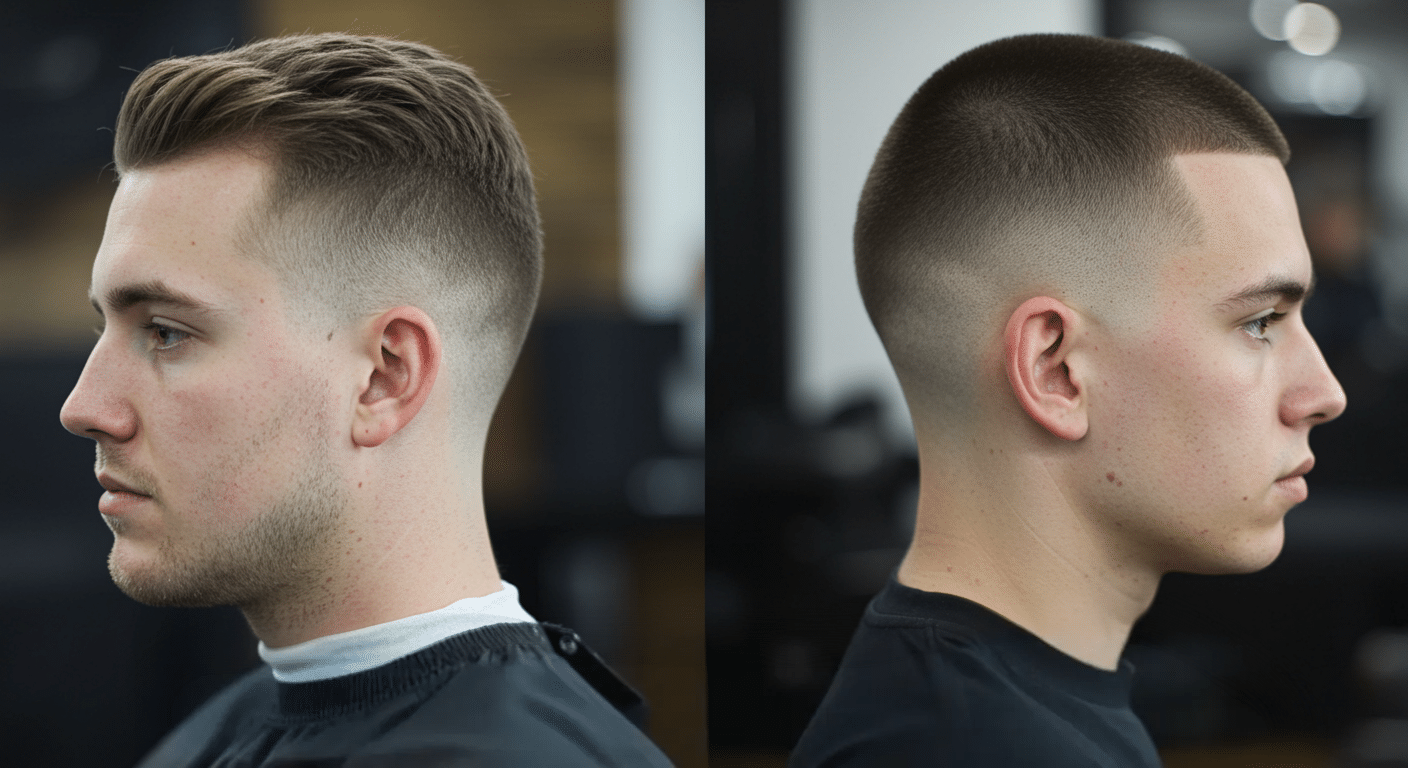
A fade haircut is a clean and gradual taper of hair that moves from longer lengths on top to very short or even skin near the sides and back.
It creates a smooth transition that highlights facial structure and complements different hairstyles.
The technique focuses on precision and balance, offering a polished yet modern look suitable for almost any occasion.
Knowing the variations in fade height helps determine whether the finish will appear dramatic or subtle.
Different Types of Fades to Go With
Fade haircuts have gained attention for their crisp shape and easy adaptability, but not every fade creates the same impression.
The real distinction lies in the fade level, meaning how high or low the taper begins on the sides and back.
When comparing styles like the high fade vs the low fade, the difference in height dramatically changes the overall look, allowing each person to find a version that best reflects their taste and lifestyle
1. Low Fade
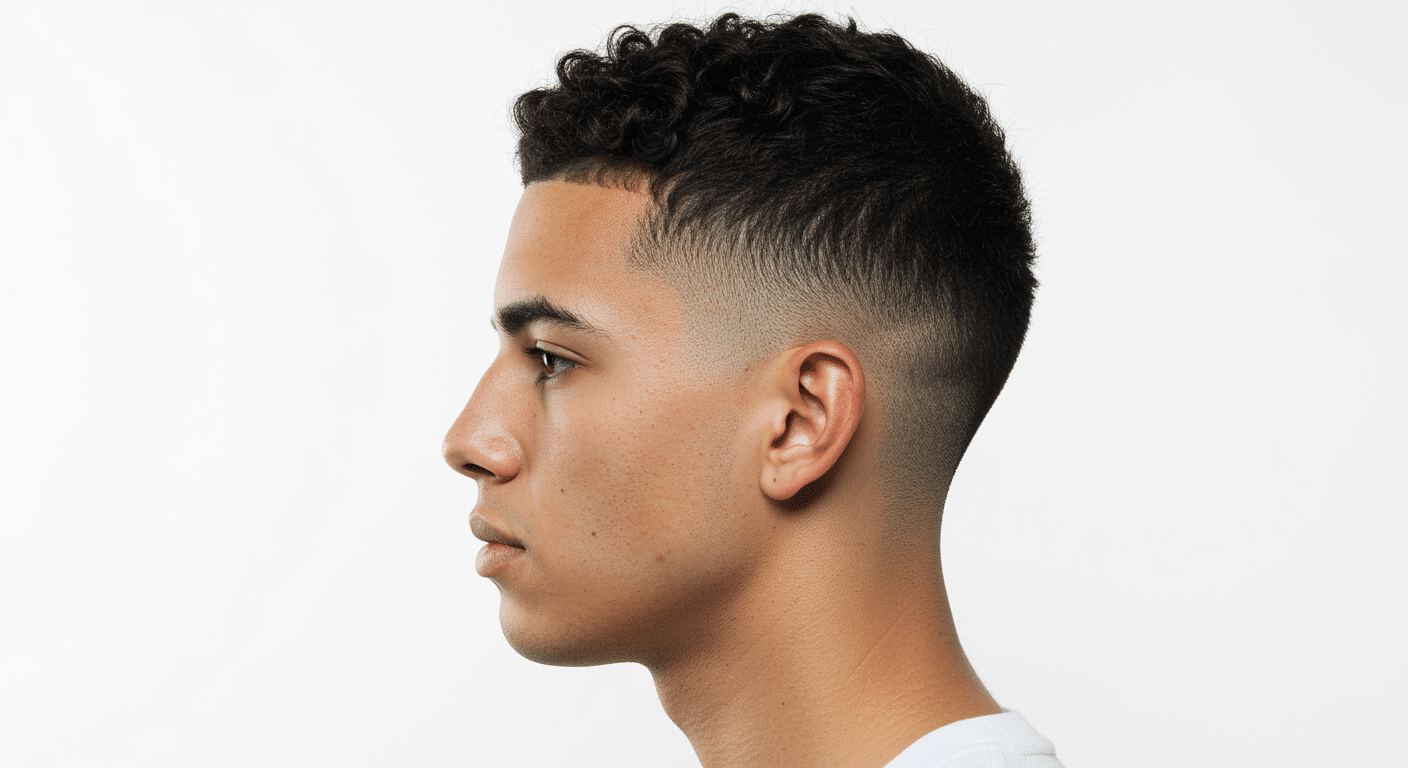
The low fade introduces the classic fade look in the most understated way.
It begins the taper just above the ears, gradually transitioning into longer hair on top without revealing too much scalp.
This produces a tidy, balanced finish that works perfectly for anyone wanting a refined cut without strong contrast.
Key Characteristics:
- Placement – Starts low on the sides, about one to two inches above the hairline, with a smooth transition upward.
- Vibe – Polished and subtle, ideal with a crew cut or short textured style.
- Best For – Oval or heart-shaped faces and straight or fine hair. It also suits those who prefer low maintenance, as it grows out evenly.
2. Mid Fade
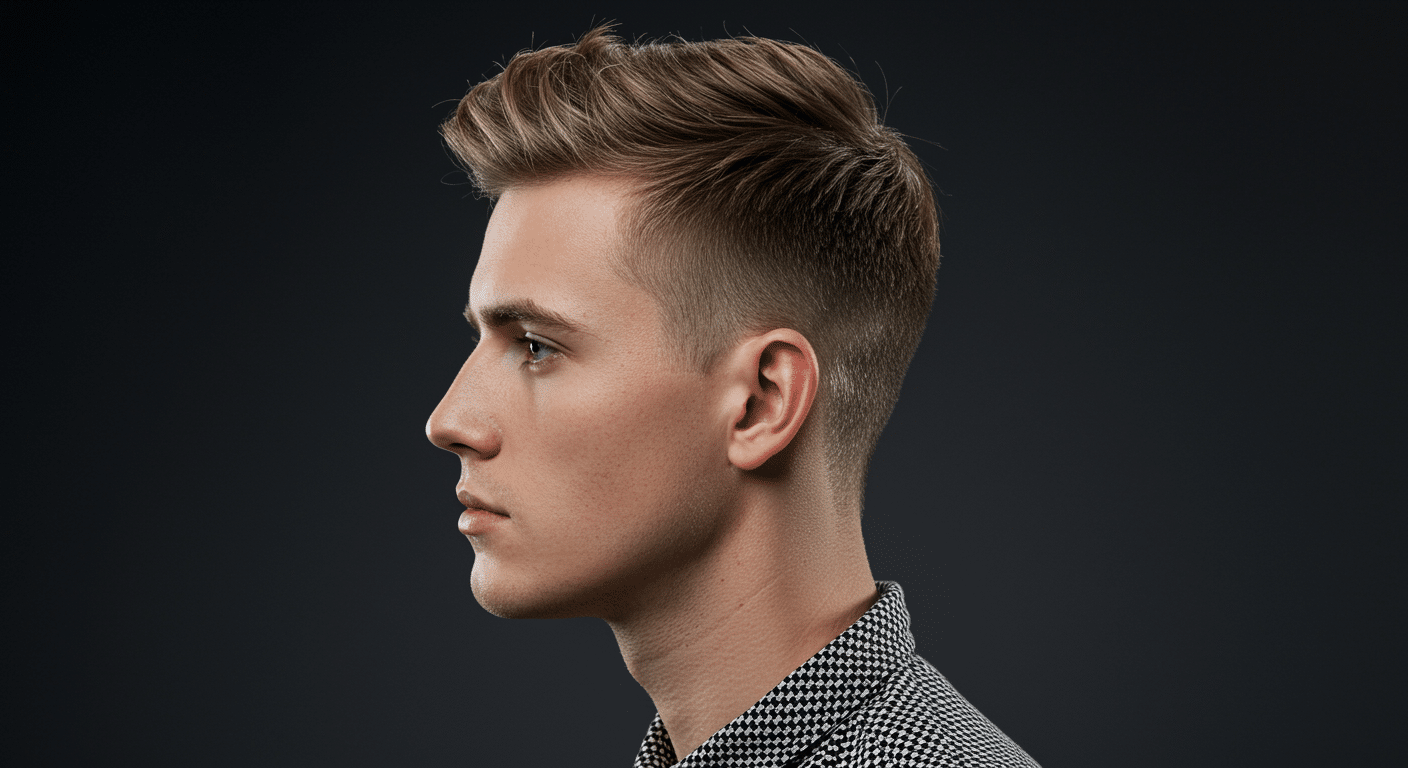
The mid fade sits right in the middle for balanced contrast. It begins around the temples, offering a clear definition without being too intense.
Many people view it as the ideal middle option, giving a sharp outline that remains flexible.
Key Characteristics:
- Placement – Starts around the midsection of the sides, blending from shorter lengths to longer hair above.
- Vibe – Modern and adaptable, pairing easily with a slick back, quiff, or tousled fringe.
- Best For – Square or diamond faces and medium to thick hair. Works well for those who want a stylish appearance that transitions from work to social settings.
3. High Fade
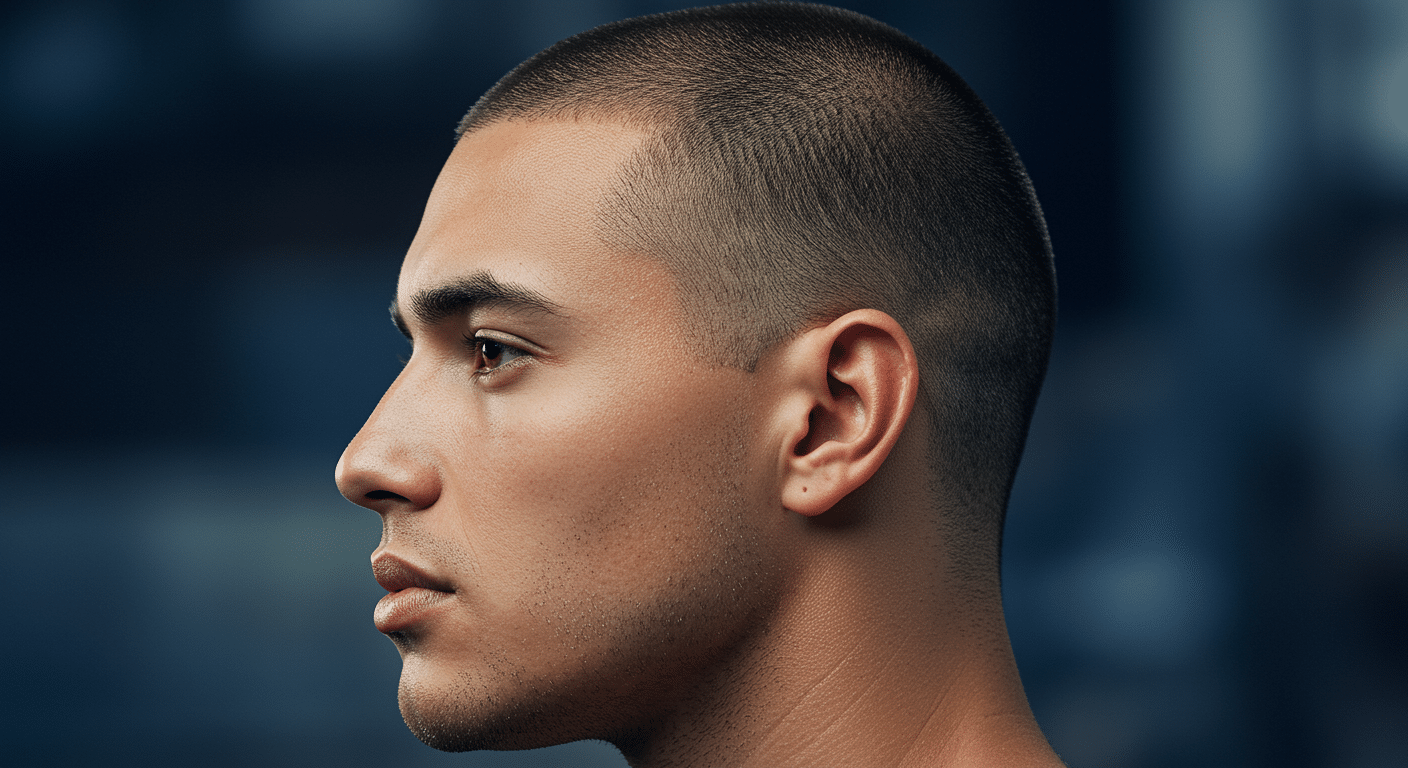
The high fade stands out as the most daring version. It begins well above the temples, sometimes near the crown, creating a sharp contrast between the sides and top.
The result is a bold, structured finish that draws attention to facial features like the jawline and cheekbones.
Key Characteristics:
- Placement – High on the sides and back, usually trimmed very close to the skin near the base.
- Vibe – Confident and expressive, often paired with styles such as a pompadour, undercut, or mohawk.
- Best For – Round or long faces and thick or curly hair, helping control volume while keeping shape.
Key Differences
Each type brings a unique personality to your haircut, changing how structured or relaxed the final look appears. The table below highlights the core distinctions that set low, mid, and high fades apart.
| Aspect | Low Fade | Mid Fade | High Fade |
|---|---|---|---|
| Overall Style | Subtle and professional, it blends naturally into the top | Balanced look that adds definition without being too sharp | Bold and defined with a strong visual impact |
| Hair Texture Compatibility | Works best with fine or straight hair | Suitable for wavy and medium-density hair | Ideal for thick or curly hair |
| Growth Pattern | Grows out smoothly and remains neat longer | Maintains shape with minor touch-ups | Loses sharpness quickly, needs regular cleanups |
| Visual Effect | Creates a gentle outline and softer profile | Adds symmetry and contour to the face | Accentuates facial structure and height |
| Styling Flexibility | Great with conservative styles like side parts | Blends well with modern textures or volume | Complements expressive looks like pompadours or skin fades |
Types of Fade Haircuts to Try
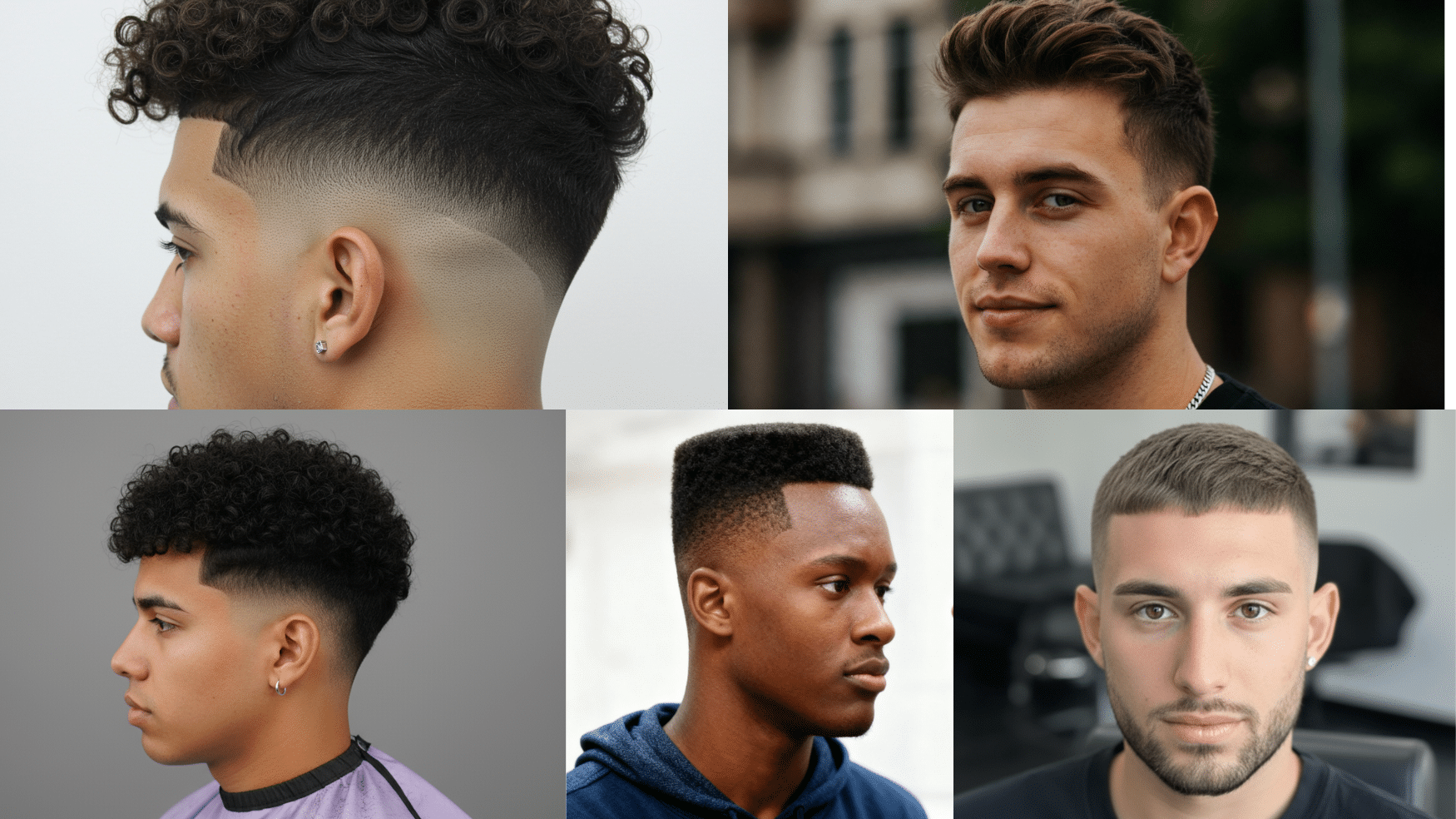
Fade haircuts come in several creative variations that go beyond the classic low, mid, and high styles. Each version changes how the haircut frames your face and expresses your personal style.
1. Skin Fade: This fade tapers right down to the skin, creating a crisp, high-contrast look that feels modern and sharp.
2. Drop Fade: The fade line dips behind the ear, giving the cut a curved, sculpted outline that adds visual depth.
3. Burst Fade: Focused around the ear, this rounded fade pairs perfectly with mohawks and textured hairstyles.
4. Taper Fade: A subtle version that lightly blends the edges near the neck and sideburns for a natural, low-maintenance appearance.
5. Temple Fade: Concentrated around the temples, this option highlights facial angles while keeping the rest of the cut balanced and clean.
Choosing the Fade that Suits Your Face Shape, Hair Type, and Lifestyle
Selecting the right fade depends on how it complements your features, hair texture, and daily habits. When comparing the low fade vs the high fade, it’s important to think about how each balances your proportions and fits your routine.
A low fade works well for those with longer or narrower faces, offering a softer outline that doesn’t add too much height.
High fades, on the other hand, enhance structure for rounder or fuller faces by creating sharper definition.
Mid fades sit comfortably in between, providing flexibility for most hair types and lifestyles.
If your schedule allows frequent barber visits, a high fade stays sharp and fresh, while a low fade offers longer-lasting neatness with less maintenance required.
Wrapping it up
Finding the right fade is about more than just following trends; it’s about choosing a style that highlights your individuality.
Each fade level offers its own character. It doesn’t matter if you prefer a clean professional finish or something bold and expressive.
Consider your face shape, hair texture, and maintenance routine before deciding.
Do let us know in the comments below which style you are gonna try!