
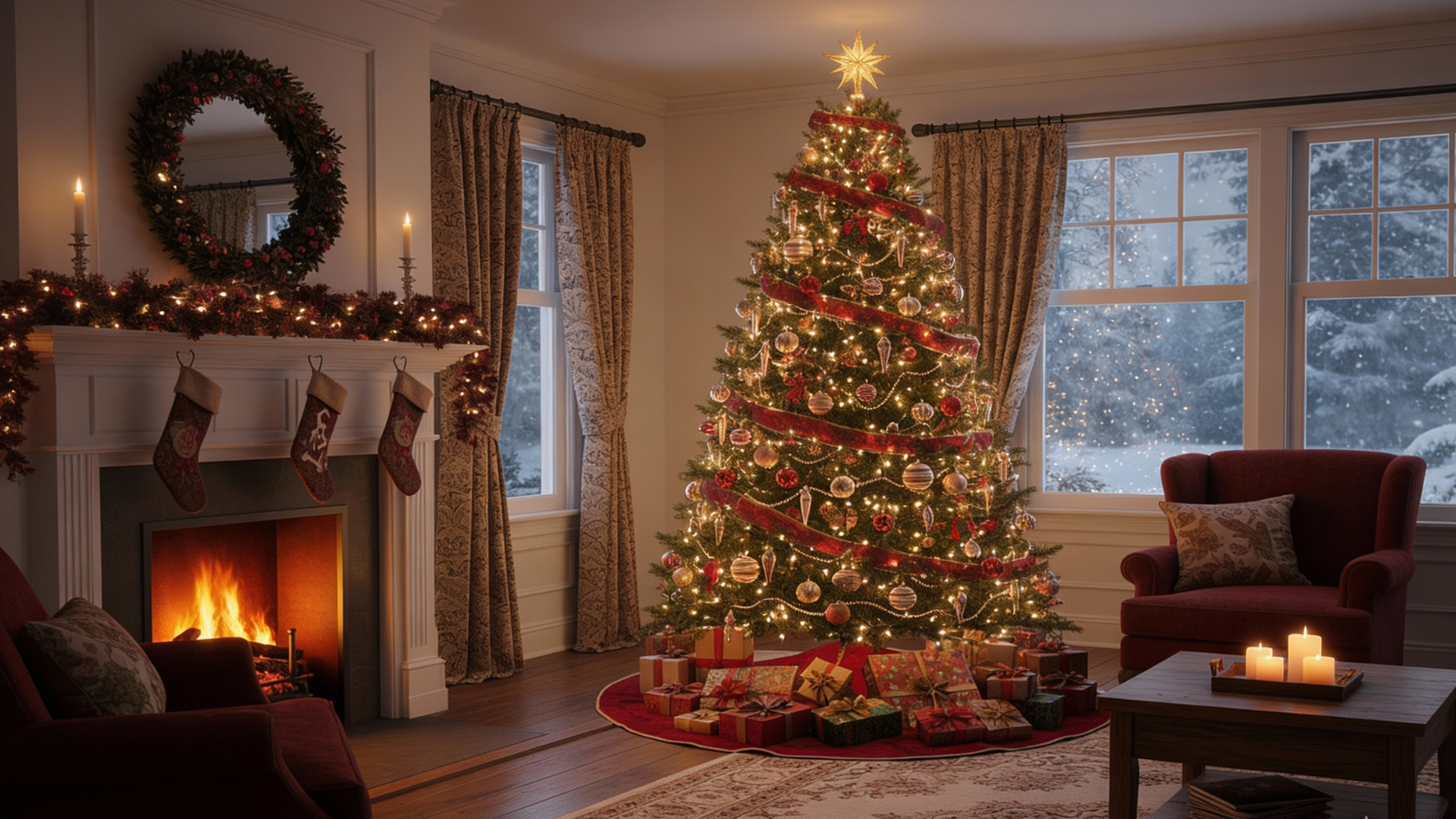
Every December, families face the same question: which Christmas tree should we get this year?
But there’s more to consider than just picking the prettiest one. Different trees have different lifespans. Some smell better. Some hold heavy ornaments without drooping.
This blog explains how each tree type performs in real homes, so readers can pick the one that fits their needs.
Keep reading to find your perfect match.
Which is a Classic Christmas Tree?
The Fraser Fir takes the crown here.
It’s what most people think of when they imagine a traditional Christmas tree. The branches are sturdy and spaced perfectly for hanging ornaments.
The scent fills the whole room with that fresh pine smell everyone loves.
This tree has been a holiday favorite for generations. Its symmetrical shape looks great in any living room. The needles stay on longer than most other types, too.
So there’s less mess to clean up. Fraser Firs hold their form well and don’t droop under the weight of lights and decorations.
Types of Christmas Trees
Let’s look at the most popular Christmas tree varieties. Each one has its own personality, strengths, and quirks.
1. Fraser Fir
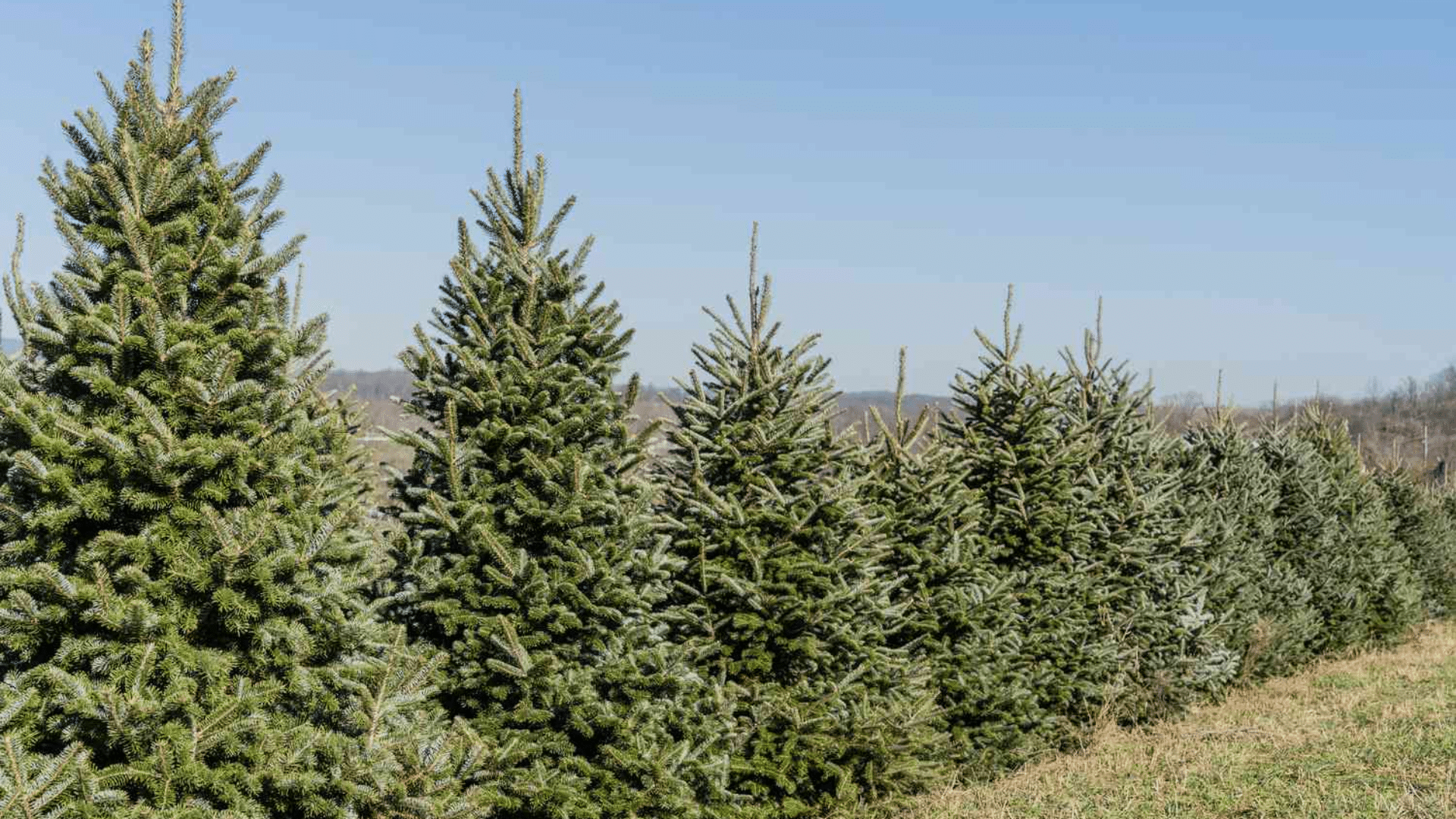
This tree is the gold standard for Christmas. The branches grow upward at a slight angle, making hanging easy.
Needles are dark green with a silvery underside. They stay attached for weeks, even in warm rooms. The fragrance is mild and pleasant.
Fraser Firs hold their shape beautifully and don’t require much trimming. They’re slightly more expensive but worth it.
Scientific Name: Abies fraseri
2. Balsam Fir
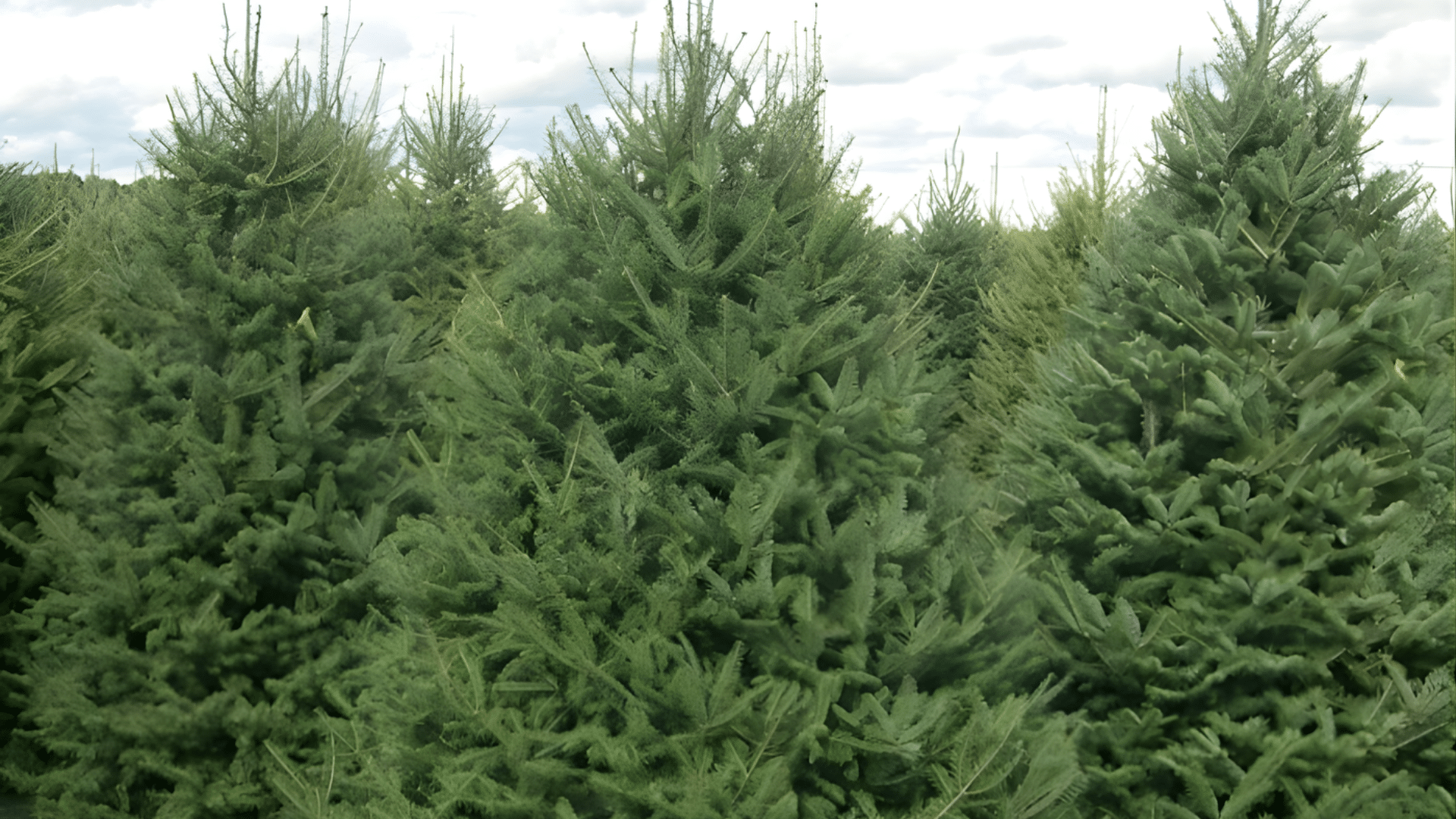
Balsam Firs smell incredible. The scent is strong and fills the entire house within hours. The needles are flat and soft to touch.
They’re dark green on top and lighter underneath. This tree has a classic conical shape. Branches are sturdy enough for most ornaments.
However, needle retention isn’t as good as Fraser Fir. It needs regular watering to stay fresh.
Scientific Name: Abies balsamea
3. Noble Fir
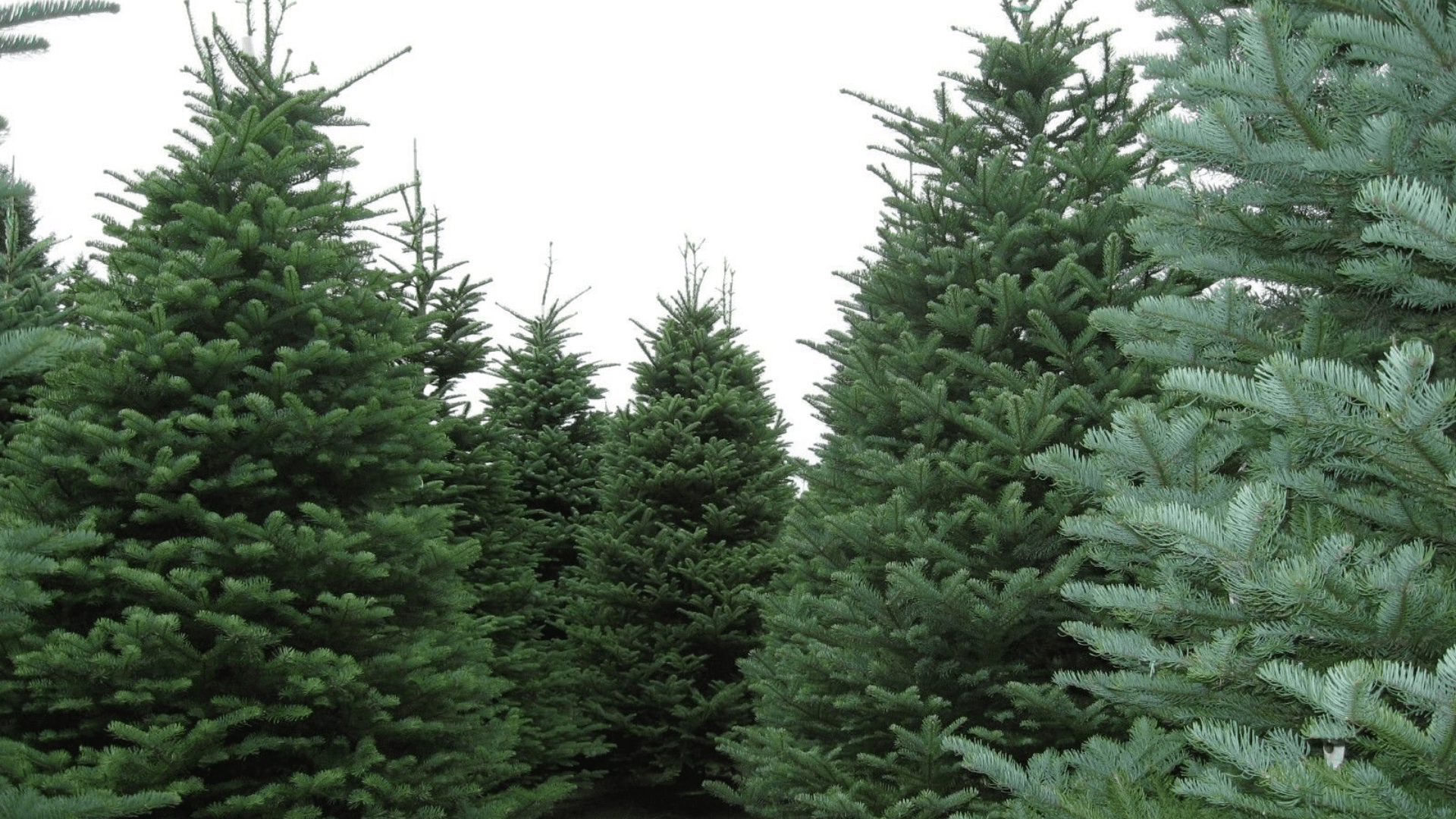
Noble Firs have the strongest branches of any Christmas tree. They can hold heavy ornaments without bending.
The needles are blue-green and curve upward. This creates open spaces between branches, which is perfect for showcasing large decorations.
The tree stays fresh for a long time. It has a mild, pleasant scent. Noble Firs are popular on the West Coast.
Scientific Name: Abies procera
4. Douglas Fir
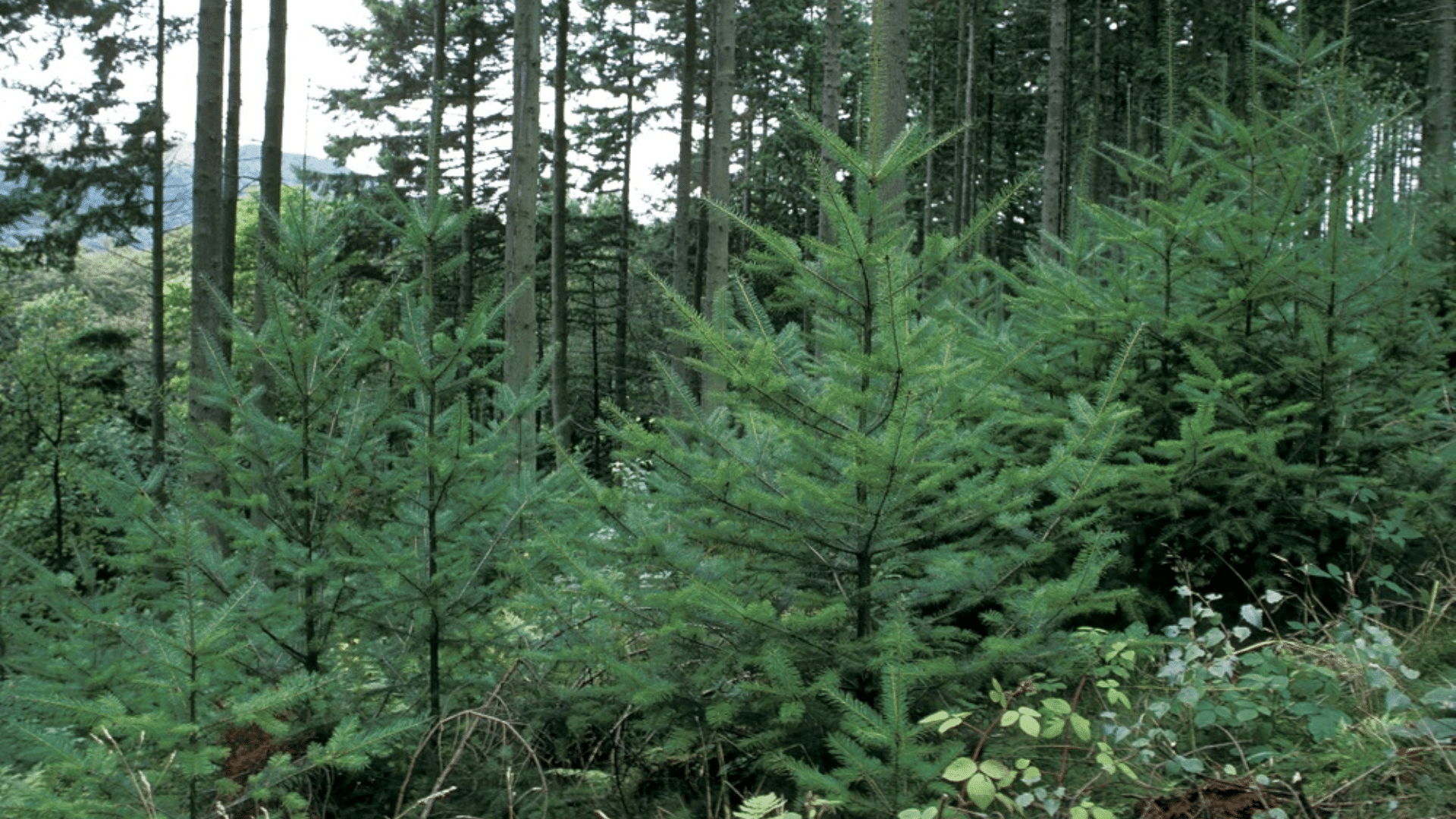
Douglas Firs are budget-friendly and widely available. The needles are soft and radiate around the branch. They’re dark green or blue-green in color.
The scent is sweet and citrusy. Branches are flexible but strong enough for standard ornaments. This tree has a full, classic shape.
Needle retention is decent with proper watering. It’s a great option for first-time tree buyers.
Scientific Name: Pseudotsuga menziesii
5. Scotch Pine
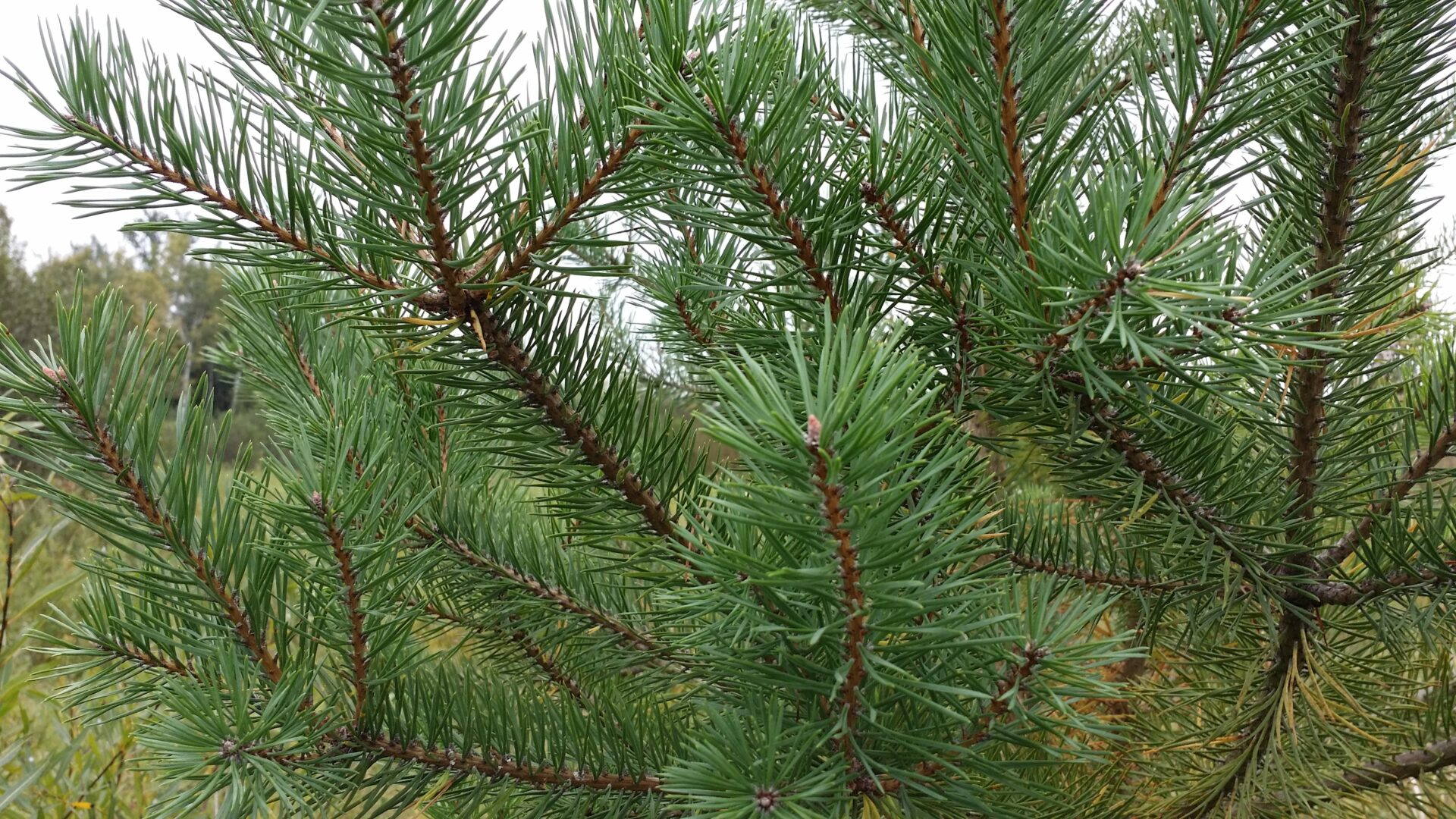
Scotch Pines have excellent needle retention. The needles are stiff and bright green. They stay on the tree for weeks, even without daily watering.
Branches are sturdy and well-spaced. The scent is mild compared to fir. This tree has a more rustic, natural look. It’s one of the most affordable options.
Scotch Pines are easy to find at most tree lots.
Scientific Name: Pinus sylvestris
6. White Pine
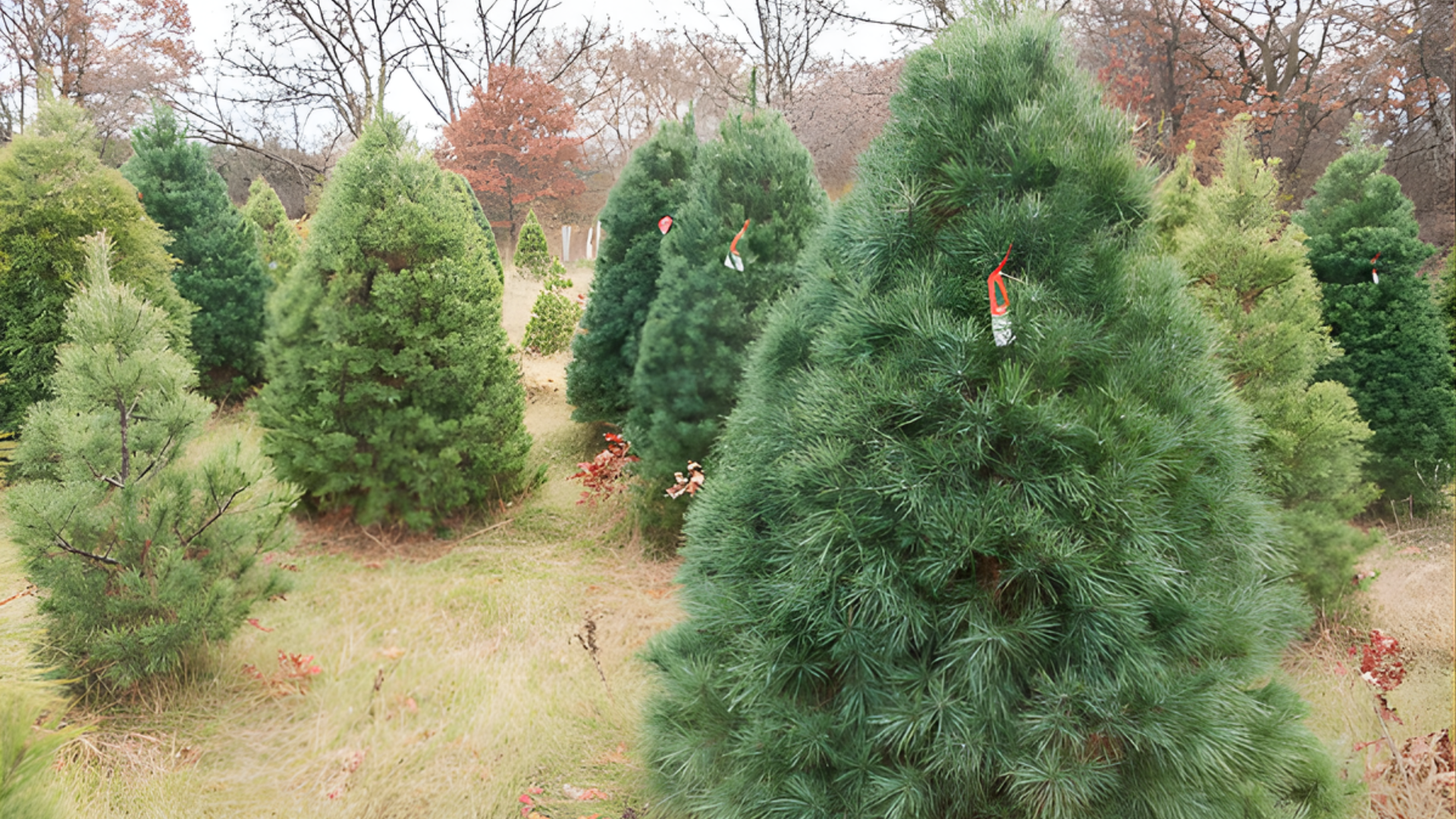
White Pines have the softest needles of any Christmas tree. They’re long, flexible, and blue-green in color. This makes them safe for homes with young children.
The branches are flexible and need lighter ornaments. The scent is very subtle. White Pines have a graceful, airy appearance.
They’re less traditional-looking but still charming. Needle retention is moderate with consistent watering.
Scientific Name: Pinus strobus
7. Blue Spruce
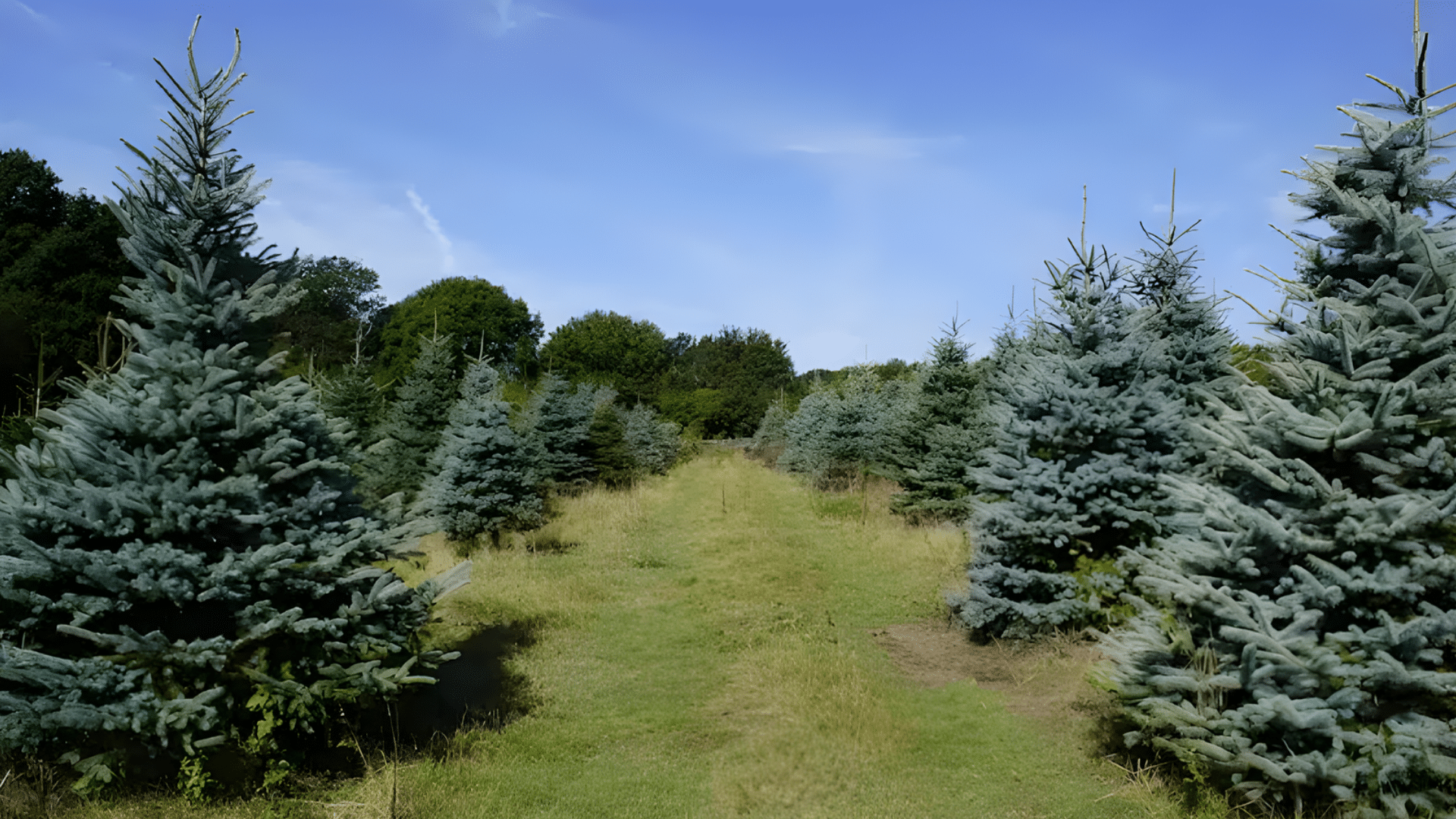
Blue Spruces are stunning to look at. The needles are silvery-blue and extremely stiff. They’re sharp, so decorating requires gloves.
This tree has a striking appearance that stands out. The branches are strong and hold ornaments well.
However, needle retention is poor. Spruces drop needles quickly in warm, dry homes. The scent is minimal. It’s better for short-term display.
Scientific Name: Picea pungens
8. Norway Spruce

Norway Spruces are traditional European Christmas trees. They have a classic pyramidal shape. The needles are dark green and shiny.
Branches droop slightly, giving them a natural look. This tree has a pleasant, forest-like scent.
However, it drops needles faster than most varieties. It needs to be cut fresh and watered constantly. Norway Spruces are best for short holiday seasons.
Scientific Name: Picea abies
9. Canaan Fir
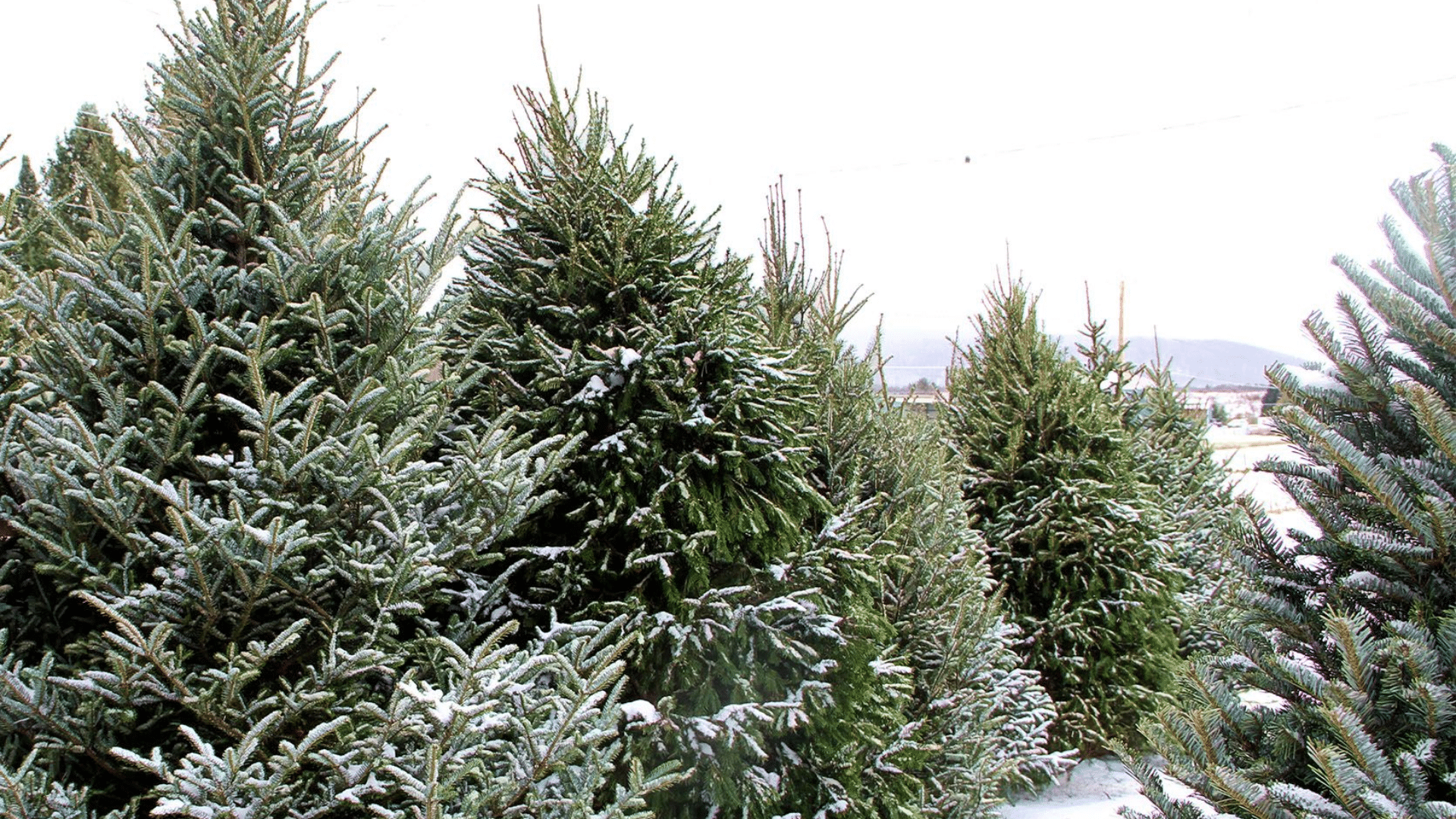
Canaan Firs are similar to Fraser Firs but are more heat-tolerant. They have excellent needle retention in warmer climates. The needles are dark green with a silvery underside.
They’re soft to the touch. The fragrance is strong and pleasant. Branches are sturdy and grow in a symmetrical pattern.
This tree holds ornaments well. Canaan Firs are gaining popularity across the country.
Scientific Name: Abies balsamea var. phanerolepis
10. Concolor Fir
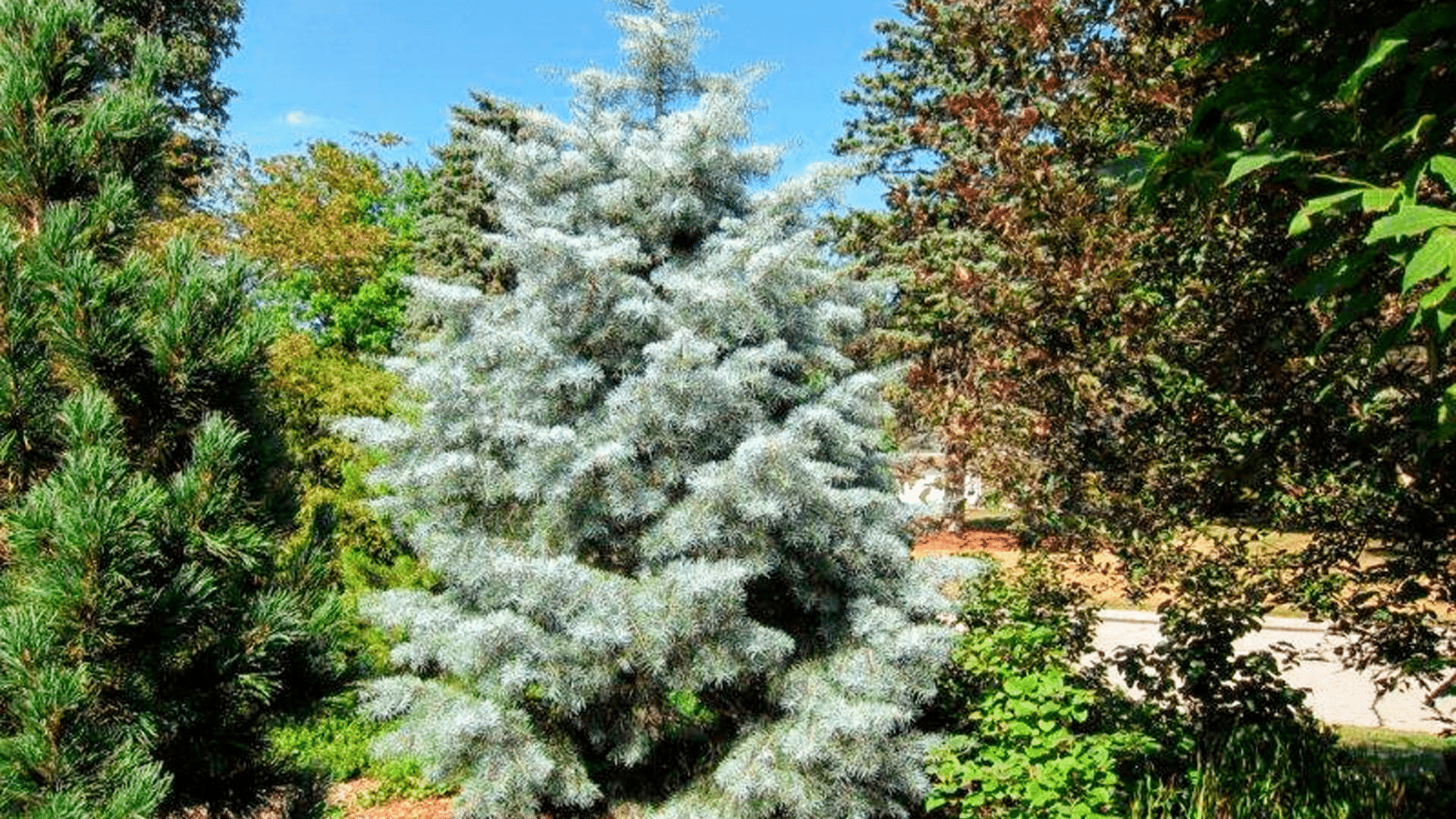
Concolor Firs smell like citrus. The scent is unique and refreshing. Needles are long, soft, and blue-green. They curve upward gracefully.
This tree has excellent needle retention. The branches are strong but flexible. Concolor Firs have a more open appearance than other firs.
They’re perfect for showcasing special ornaments. This variety tolerates heat better than most Christmas trees.
Scientific Name: Abies concolor
11. Leyland Cypress
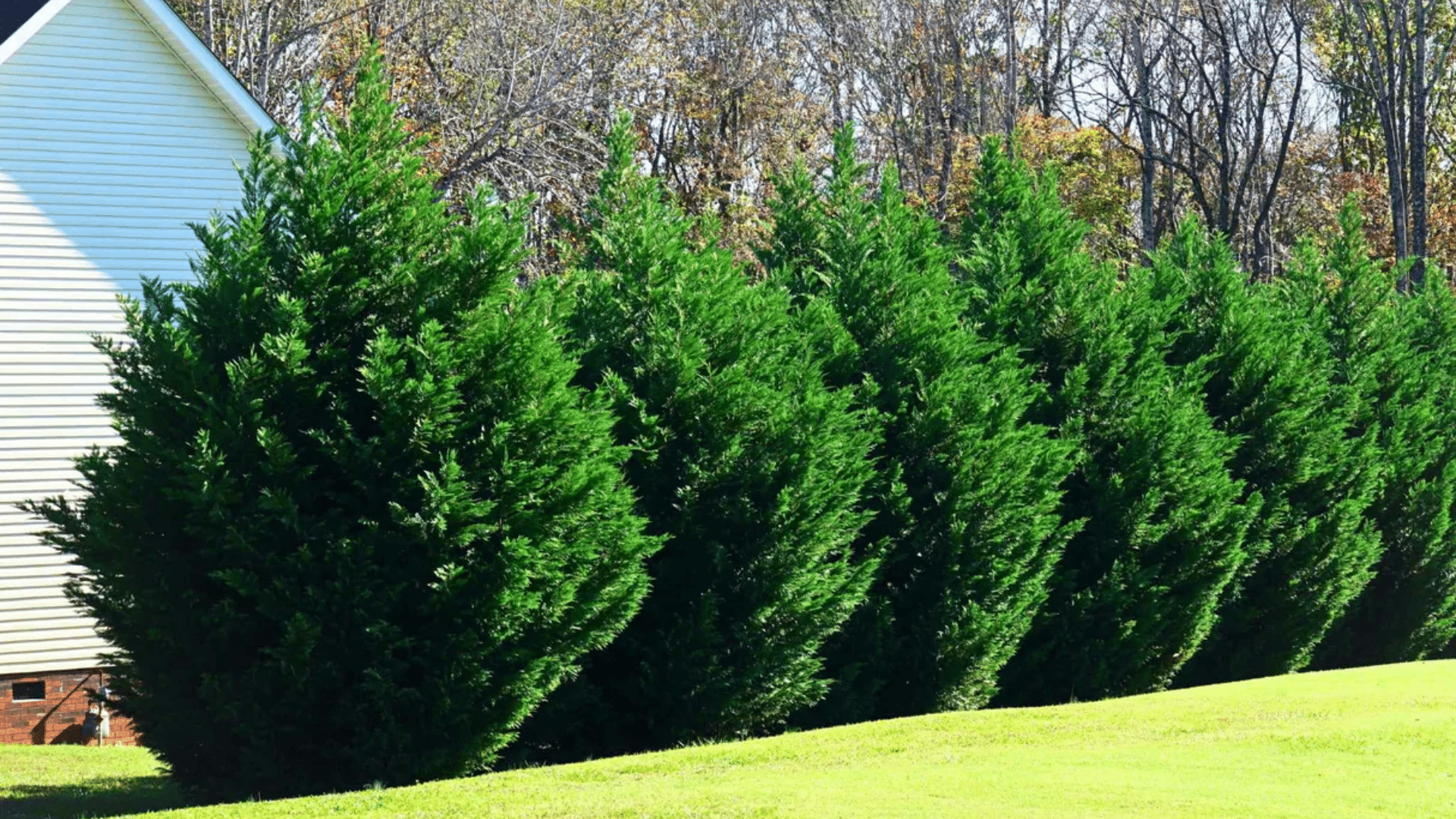
Leyland Cypress trees are popular in the South. They grow quickly and tolerate warmer climates. The foliage is feathery and soft.
It’s dark green with a slight blue tint. This tree has minimal scent. Branches are somewhat flexible and need lighter decorations.
Needle retention is good with proper care. Leyland Cypress has a full, dense appearance that looks great with lights.
Scientific Name: Cupressus × leylandii
Are Real Trees Better than Artificial Ones?
It depends on what matters most. Real trees smell better and feel more authentic. They’re biodegradable and can be recycled into mulch after the holidays.
Plus, buying them supports local farms and tree growers.
But artificial trees are convenient. They last for years and don’t drop needles. There’s no watering involved. And they can save money over time.
Real trees offer that classic Christmas experience. The scent alone makes the house feel festive. However, they require more maintenance.
Artificial trees work better for people with allergies or busy schedules. Both options have their place.
How to Choose the Best Christmas Tree for Your Home?
Start by measuring your space. Know the ceiling height and floor area before heading to the tree lot. This prevents buying a tree that’s too big or too small.
Consider these factors:
- Needle retention: Fraser and Canaan Firs hold needles longest
- Scent strength: Balsam and Concolor Firs smell strongest
- Branch strength: Noble Firs handle heavy ornaments best
- Budget: Douglas Firs and Scotch Pines cost less
Think about your lifestyle too. Busy families might prefer low-maintenance varieties like Scotch Pine.
If pets or young children are around, choose trees with softer needles like White Pine.
Maintaining Your Christmas Tree
Keeping a Christmas tree fresh takes some effort. But it’s not complicated.
A few simple steps will keep needles green and branches strong throughout the season.
- Water daily: Trees drink a lot, especially in the first week
- Check the stand: Make sure it holds at least a gallon of water
- Cut the trunk: Remove an inch from the bottom before placing it in the stand
- Keep it cool: Place the tree away from heaters and fireplaces
- Monitor water levels: Don’t let the base dry out
- Use LED lights: They produce less heat than traditional bulbs
- Mist the branches: Spray with water every few days to retain moisture
- Remove it promptly: Take the tree down before it gets too dry
Conclusion
Christmas trees come in a wide variety. Each one brings something different to the table.
Some smell better. Others last longer. A few handle ornaments like champions.
Real trees create memories. They smell like the holidays and feel authentic. Yes, they need watering and care. But that’s part of the tradition.
So this season, take time to pick wisely. Measure the space first. Think about what matters most. Then head to the lot and find the perfect tree.