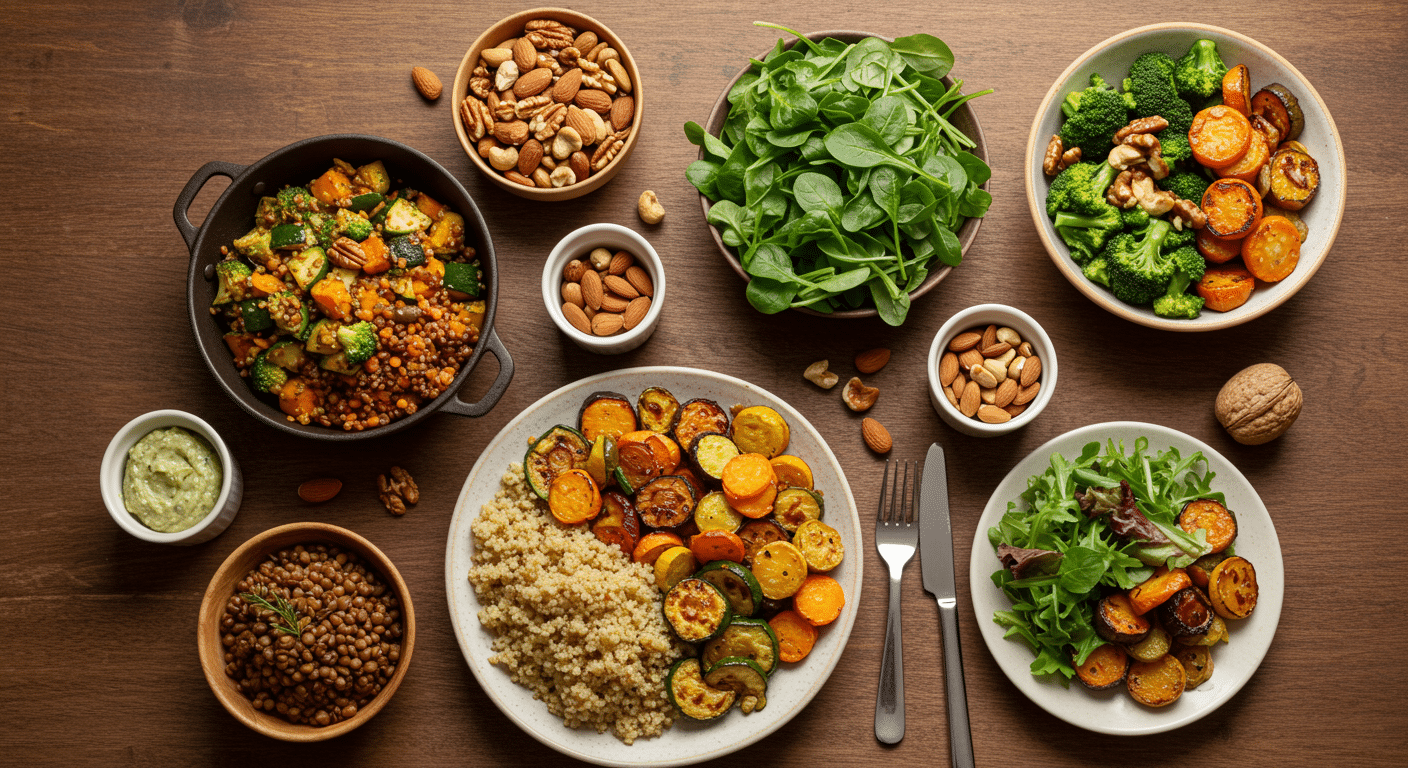

New Year’s Day brings food traditions that many families follow without question. Some believe certain foods bring good luck for the year ahead.
Others just want comfort food after a late night. But why do people eat specific dishes on January 1st?
This blog promises to explain the most popular New Year’s Day foods and their meanings. You’ll learn what cultures eat for luck, why some foods are considered special.
We’ll cover everything from black-eyed peas to pork, greens to grapes with a simple recipe of each.
By the end, you’ll know exactly what to put on your plate.
Symbolism Behind New Year’s Day Meals
New Year’s Day meals carry deep meaning across cultures. Every dish on the table represents a wish for the coming year.
Round shapes symbolize completion and unity. Colors matter too, green means wealth, yellow represents gold, and red brings joy.
The way ingredients move or grow also holds significance. Forward motion suggests progress. Abundance in a dish reflects hoped-for prosperity.
These meals aren’t just about taste. They’re about setting intentions.
Families gather to share these symbolic foods, believing that what they eat influences their fortune for the next twelve months.
What Do You Eat on New Year’s Day?
Food plays a big role in New Year’s Day celebrations.
Different cultures pick specific dishes for January 1st. These aren’t random choices but carefully selected items believed to bring good fortune.
1. Pork
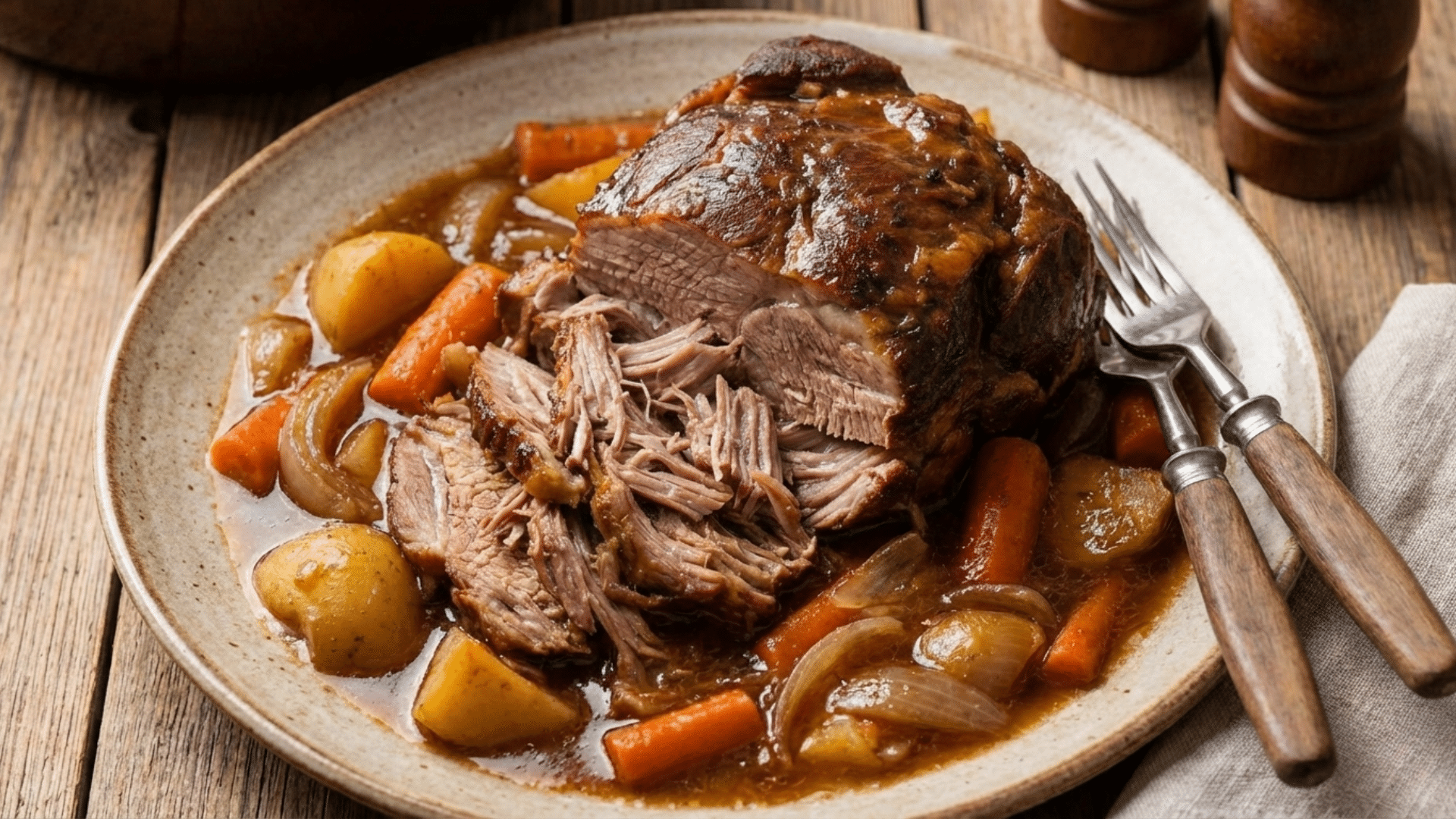
Pork represents progress and prosperity in many cultures. Pigs root forward when they eat, symbolizing moving ahead in life.
Germans and Austrians serve pork on New Year’s Day because of this forward motion.
The rich, fatty meat also signals abundance and wealth for the coming year.
Many families believe eating pork ensures they’ll move forward, not backward, in their goals and finances throughout the next twelve months.
Click here for Slow-Cooked Pork Roast Recipe.
2. Cabbage
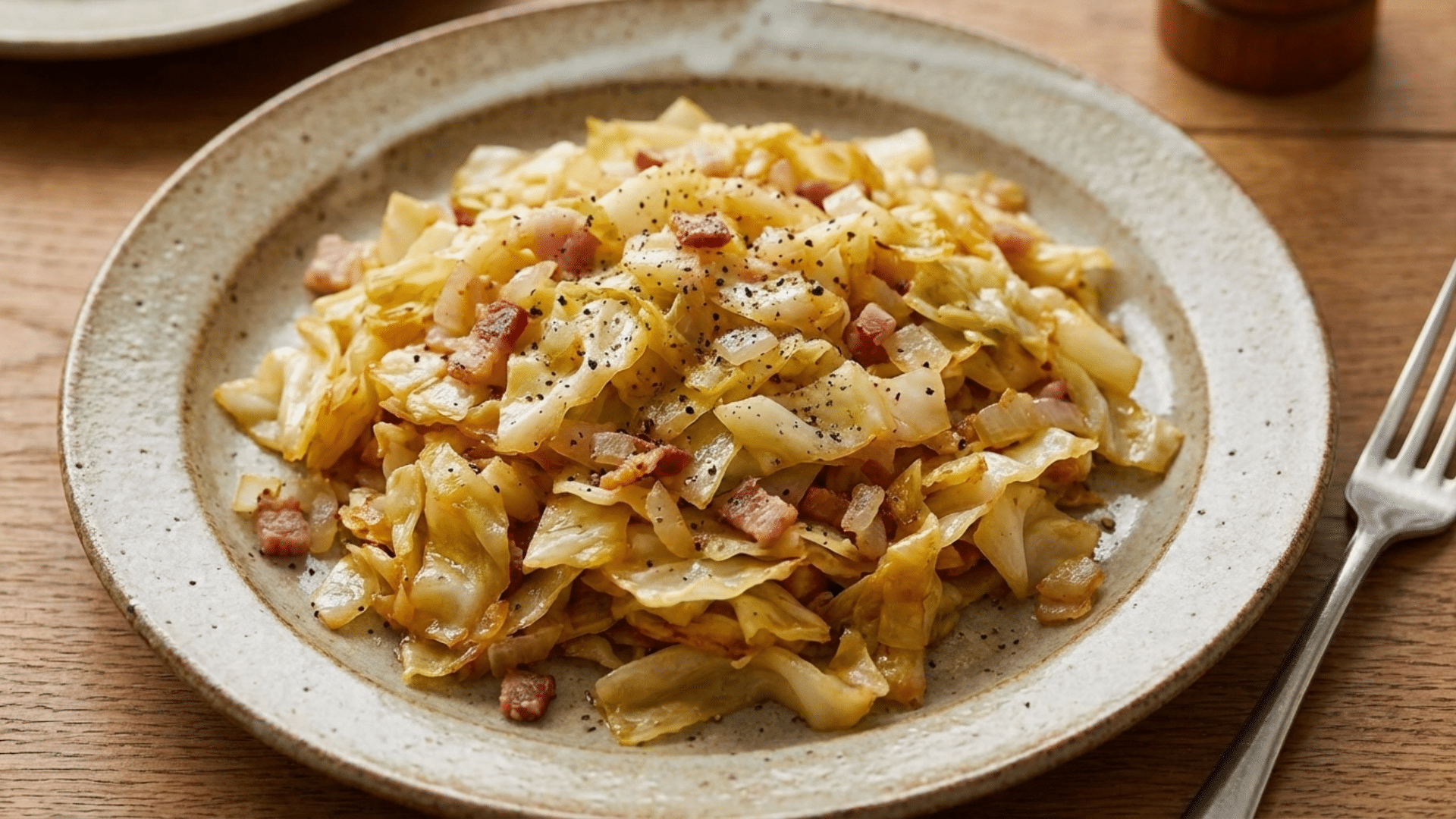
Cabbage leaves look like folded money. That’s why people eat it for financial luck. The green color matches paper currency in many countries.
Germans, Irish, and Eastern Europeans serve cabbage dishes on January 1st. The vegetable stays affordable yet filling, showing that prosperity is possible for everyone.
Boiling cabbage makes homes smell like successful cooking. The more cabbage someone eats, the more wealth they might attract in the new year ahead.
Click here for Skillet Buttered Cabbage with Bacon and Onion Recipe
3. Noodles
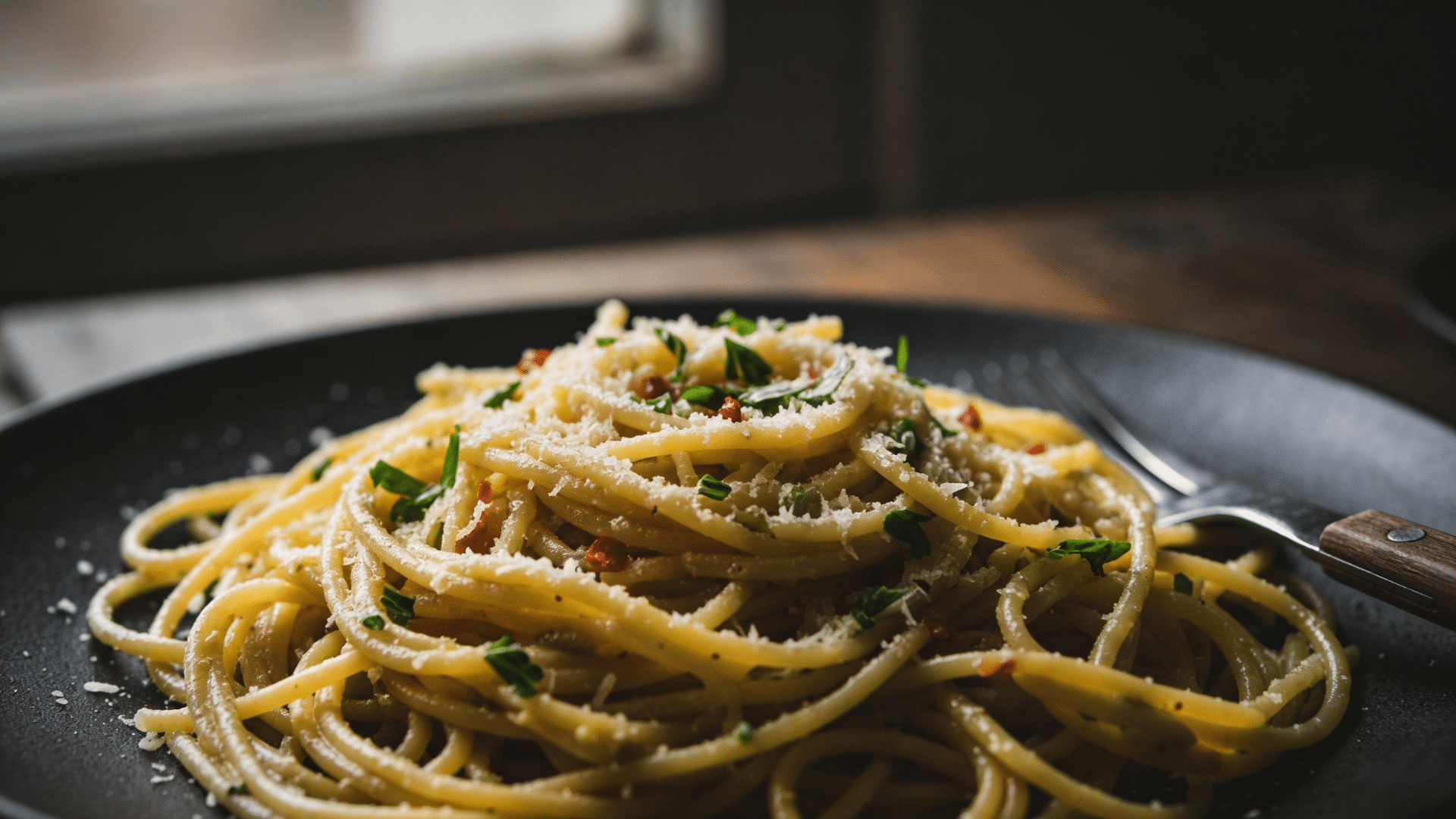
Long noodles represent long life in Asian cultures.
Chinese and Japanese families eat them on New Year’s Day without breaking or cutting them. The length matters more than the taste.
Breaking a noodle might symbolically shorten one’s life span. People slurp whole strands carefully to preserve the meaning.
This tradition goes back centuries. Families believe the longer the noodle, the longer and healthier their lives will be. It’s a simple symbol with deep meaning.
Click here for Garlic Butter Noodles Recipe.
4. Cornbread

Cornbread’s golden color represents gold and financial success. Southern Americans serve it alongside other New Year’s dishes.
The yellow color reminds people of gold coins and prosperity. Corn was also a staple crop for many families, symbolizing sustenance and survival.
Making cornbread from scratch shows effort and intention for the year. The crumbly texture releases good fortune with every bite.
Many believe eating cornbread ensures their bank accounts will grow as golden as the bread itself.
Click here for Southern-Style Cornbread Recipe.
5. Black-Eyed Peas
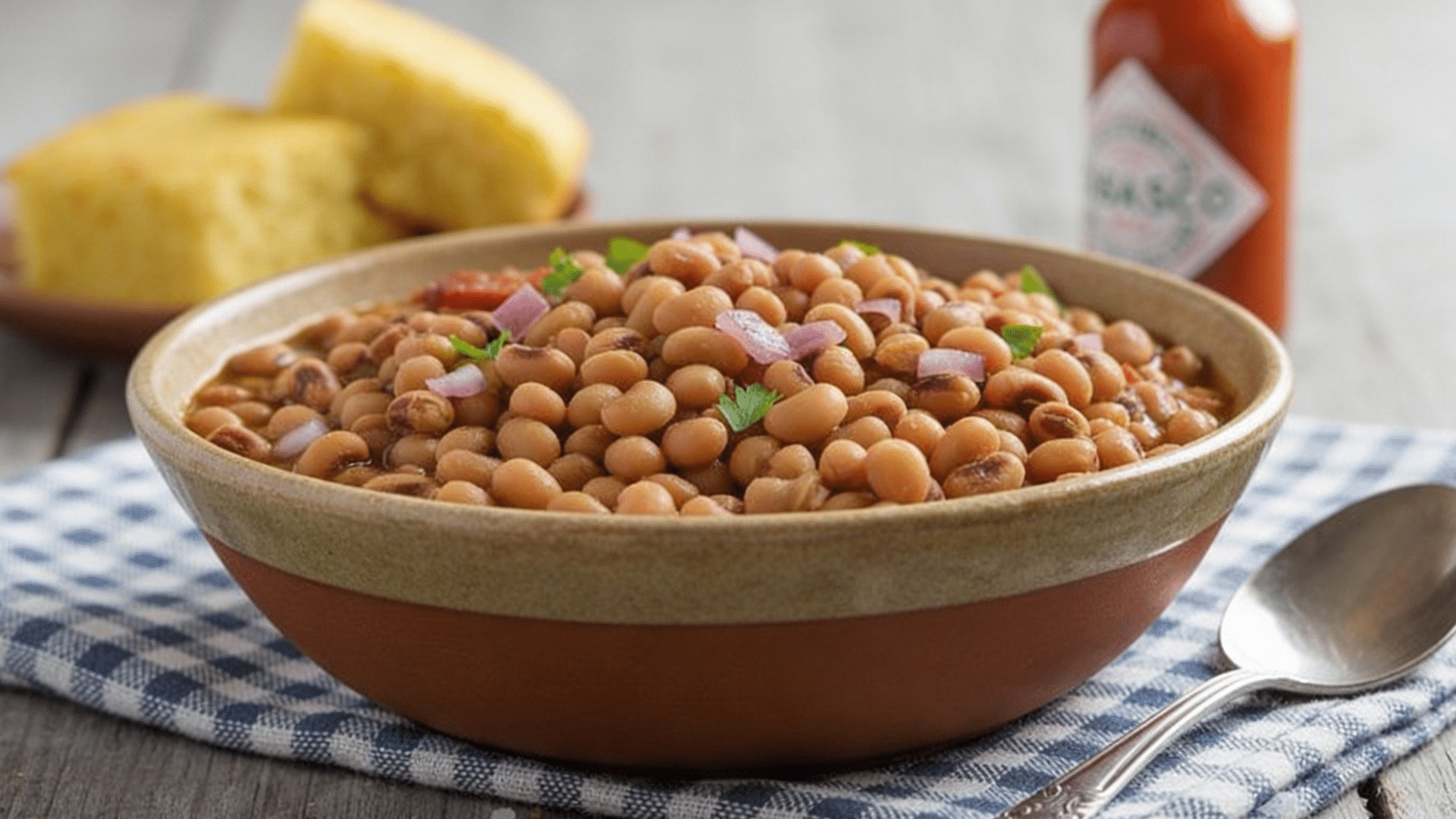
Black-eyed peas symbolize coins and good luck in the American South.
They were one of the few foods left after the Civil War. Families who had black-eyed peas survived tough times. The peas resemble coins with their round shape and dark spot.
Eating them on New Year’s Day honors resilience and hope. Each pea represents a penny or a piece of good fortune.
Southern tradition says eating 365 peas brings luck for every day of the year.
Click here for Classic Black-Eyed Peas Recipe.
6. Grapes and Pomegranate
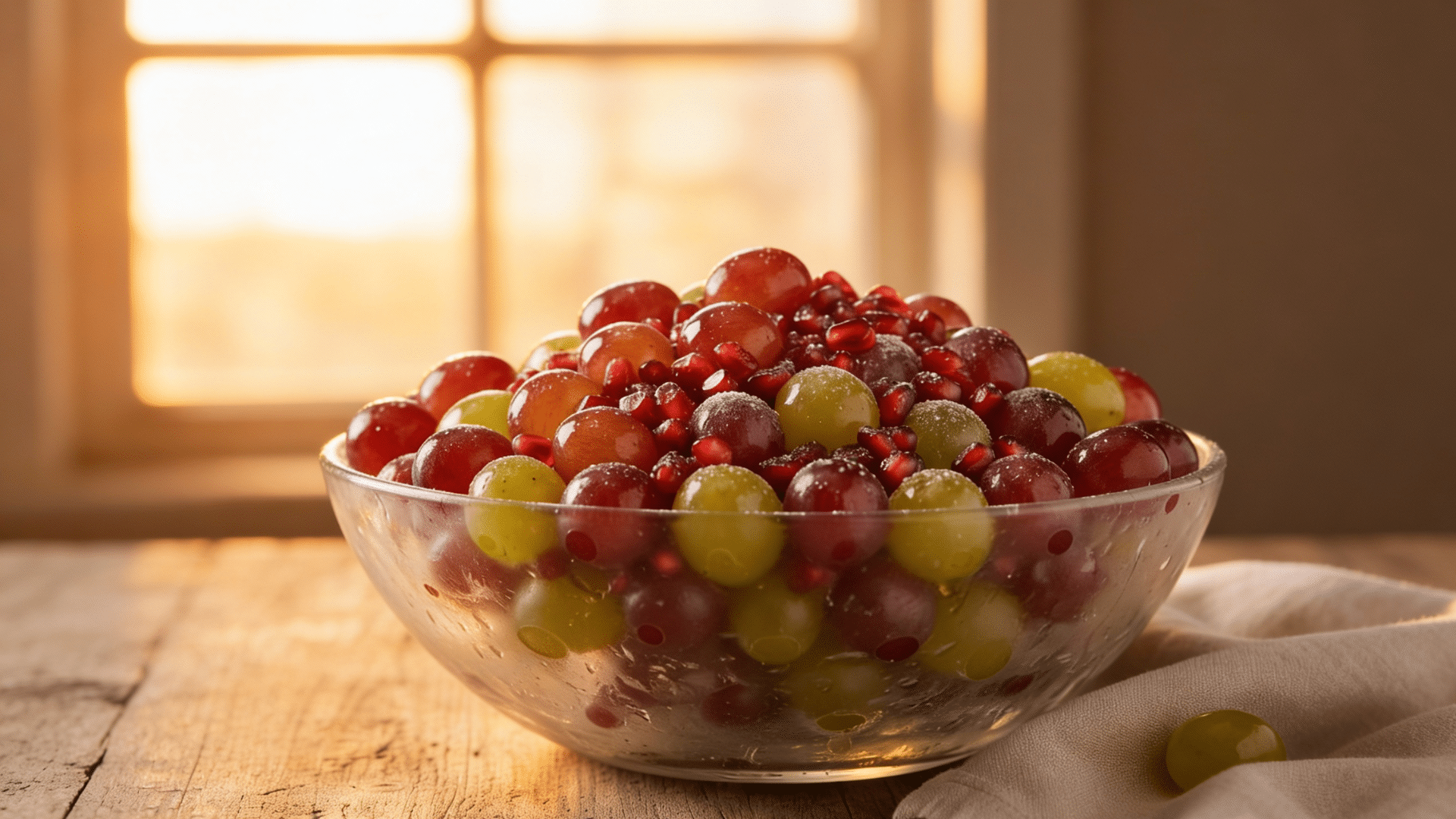
Twelve grapes at midnight bring luck in Spain and Latin America. Each grape represents one month of the year ahead.
People eat them as the clock strikes twelve, making wishes for each month. Pomegranates symbolize fertility and abundance because of their many seeds.
Greeks smash them on doorsteps to release good fortune. The red color represents life and prosperity.
Both fruits burst with seeds, suggesting a year full of blessings and opportunities for those who eat them.
Click here for Honey-Glazed Grapes with Pomegranate Recipe.
7. Greens
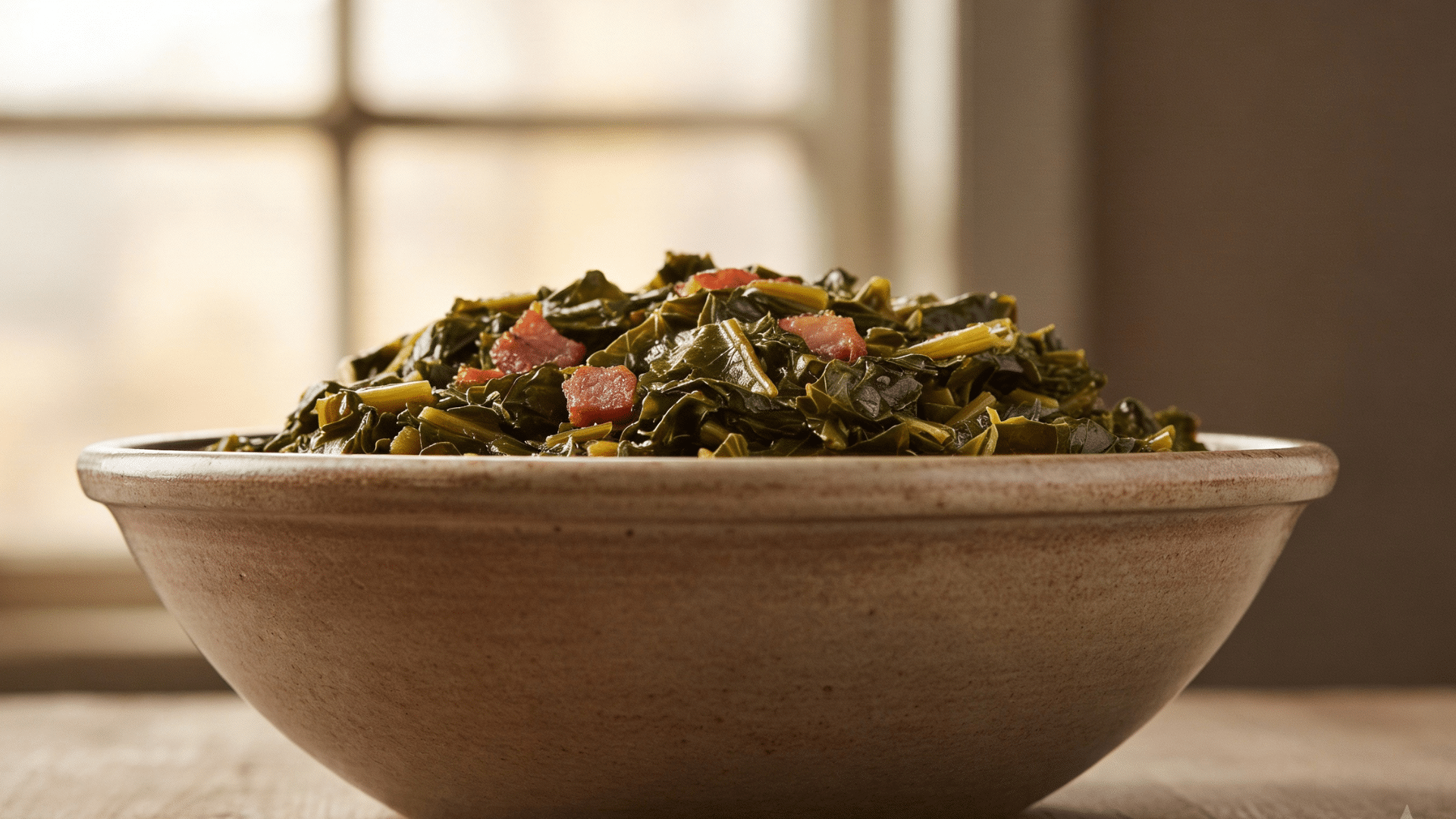
Green vegetables symbolize paper money and financial growth. Collard greens, kale, and cabbage are popular choices.
The more greens someone eats, the more money they’ll supposedly make.
This tradition is strong in the Southern United States. Greens also represent health and vitality for the new year.
Cooking them releases their color, just like prosperity flowing into life. Some families save the cooking liquid, called pot liquor, believing it holds concentrated luck that shouldn’t be wasted or poured out.
Click here for Southern Collard Greens Recipe.
8. Rice
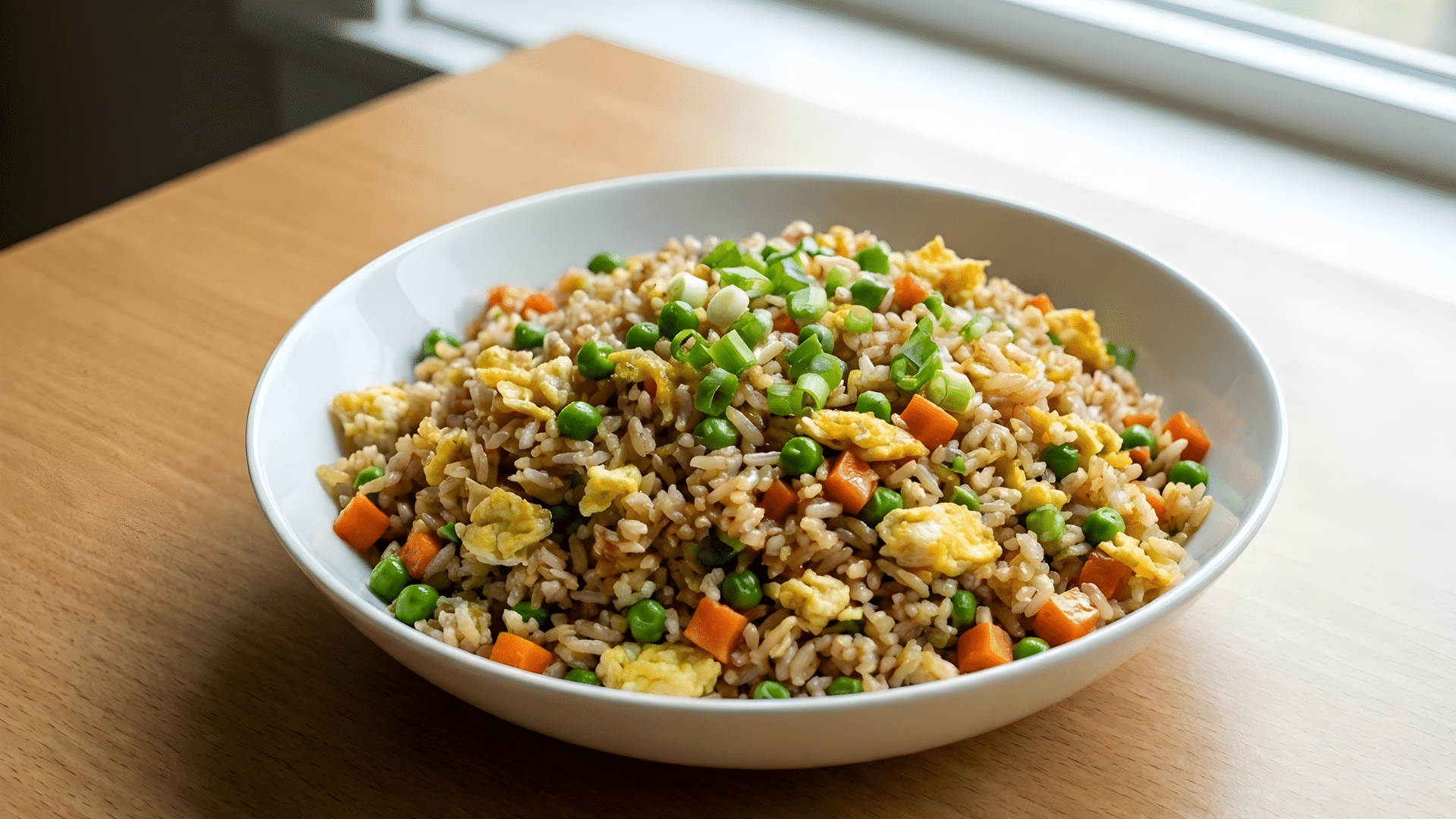
Rice symbolizes fertility, wealth, and good fortune across many Asian cultures. The countless grains represent abundance and prosperity multiplying throughout the year.
Indians eat sweet rice pudding for celebrations. Chinese families serve rice to ensure they’ll never go hungry. Each grain is a blessing.
Throwing rice at celebrations releases good wishes into the air. Eating rice on New Year’s Day connects people to ancient agricultural traditions.
Click here for the Chinese Fried Rice Recipe.
9. Lentils
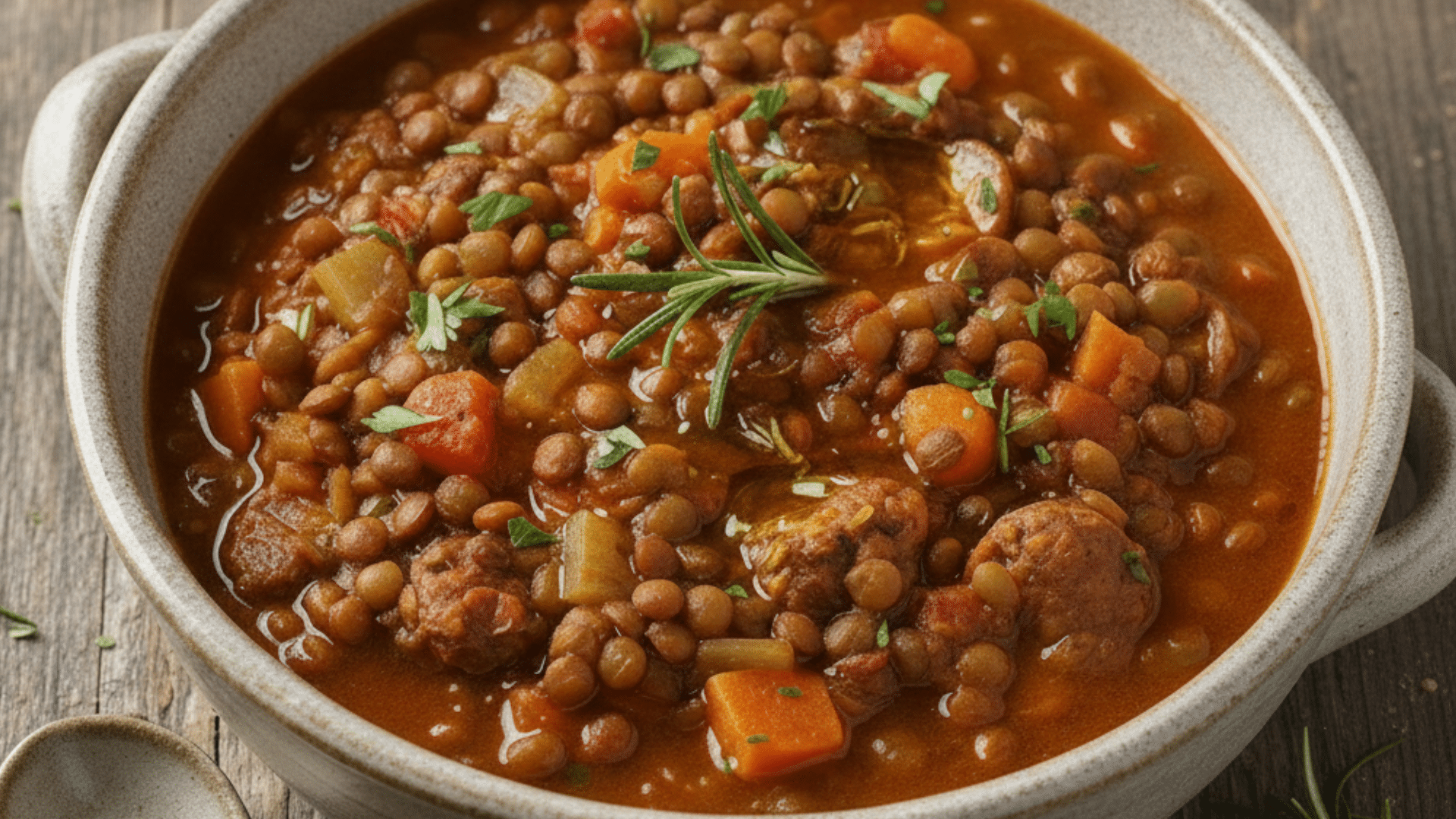
Lentils look like coins, making them a symbol of wealth. Italians eat them right after midnight on New Year’s Eve.
The more lentils consumed, the more money is expected in the coming year. They’re also affordable, showing that prosperity is accessible to everyone.
Lentils swell when cooked, representing growing bank accounts. Their round, flat shape mimics currency from various cultures.
Eating a big portion demonstrates one’s desire for financial success. This tradition has roots in ancient Rome, where lentils were currency.
Click here for Italian Lentil Stew Recipe.
10. Fish
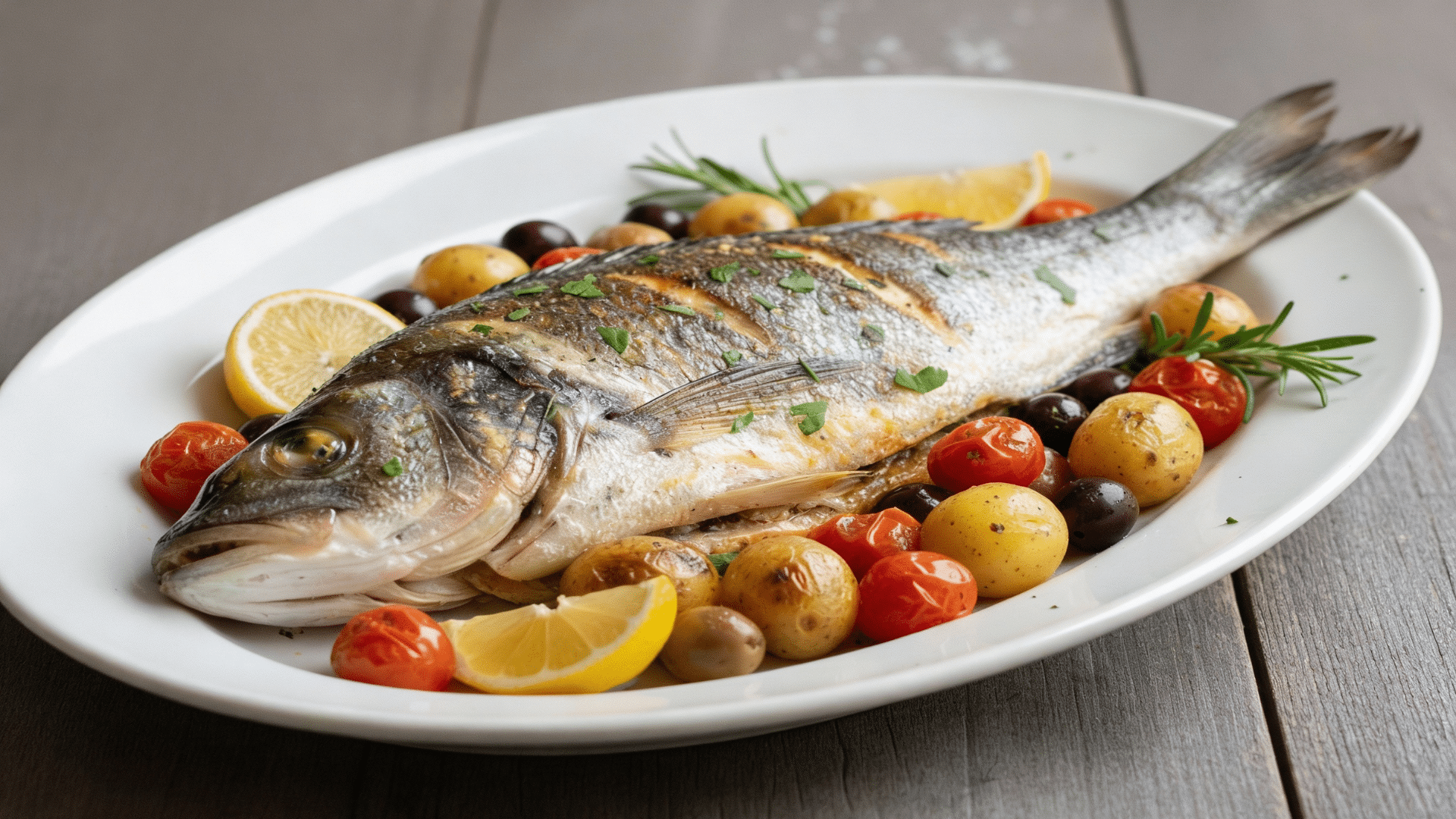
Fish swim forward in schools, symbolizing progress and abundance. Scandinavians and Asians eat fish on New Year’s Day for advancement.
The scales resemble silver coins falling like blessings. Fish also travel in groups, representing community prosperity. Some cultures serve the whole fish, including the head and tail, for completeness.
Having fish ensures the new year will have a strong beginning and end.
The practice comes from the idea that fish move fluidly through water, just like people should move smoothly through life.
Click here for the Baked Fish Recipe.
11. Cakes
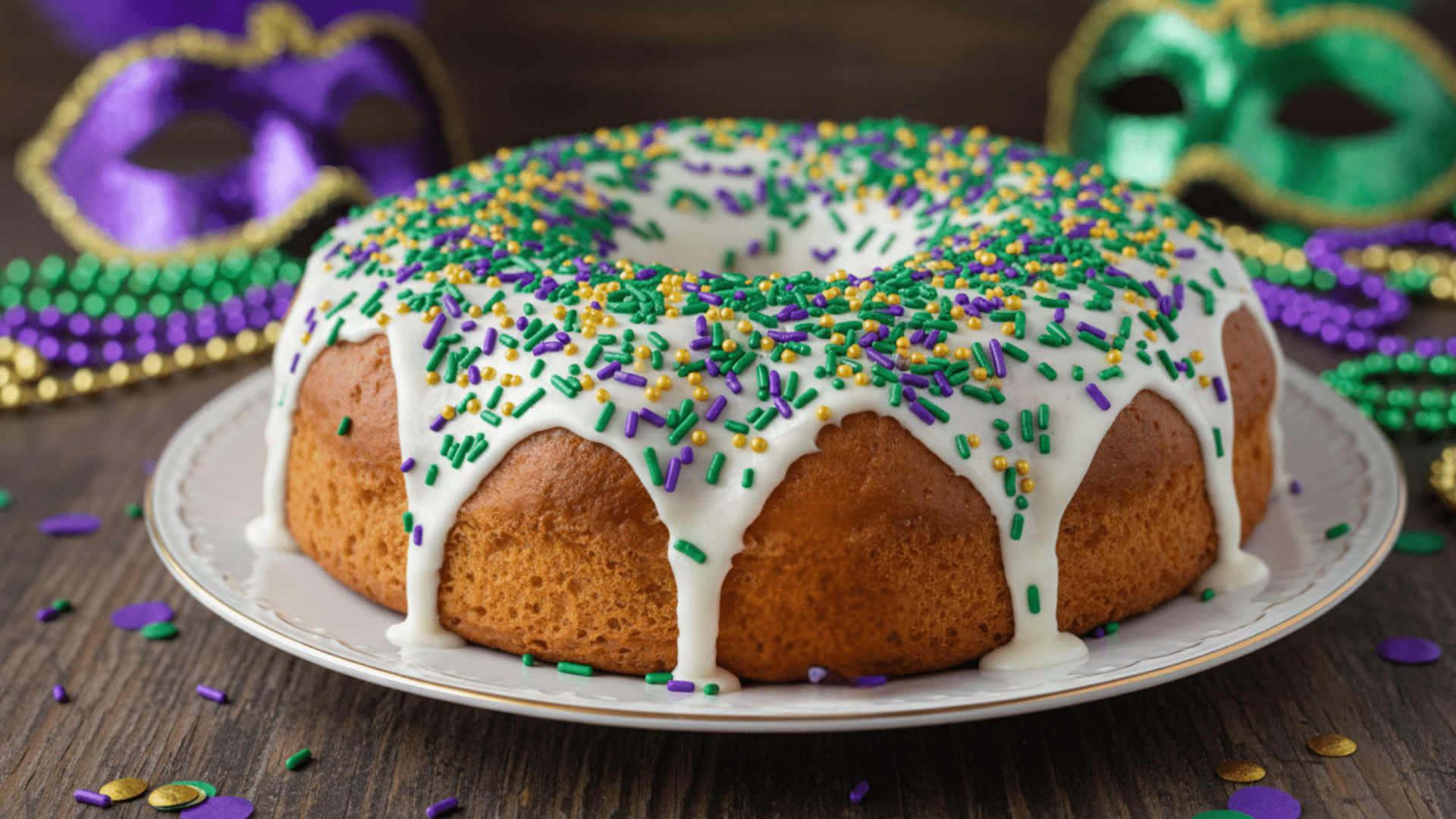
Round cakes symbolize completeness and the year coming full circle. Greeks bake a special coin inside their New Year’s cake. Whoever finds it gets extra luck for the year.
The circular shape represents cycles, continuity, and endless possibilities. Ring-shaped cakes are especially popular because they have no beginning or end.
Sharing cake with family and friends spreads good fortune to everyone. The sweetness represents hopes for a pleasant year.
Cakes also mark celebrations, making January 1st feel special and full of promise.
Click here for Simplified King Cake Recipe.
12. Dumplings
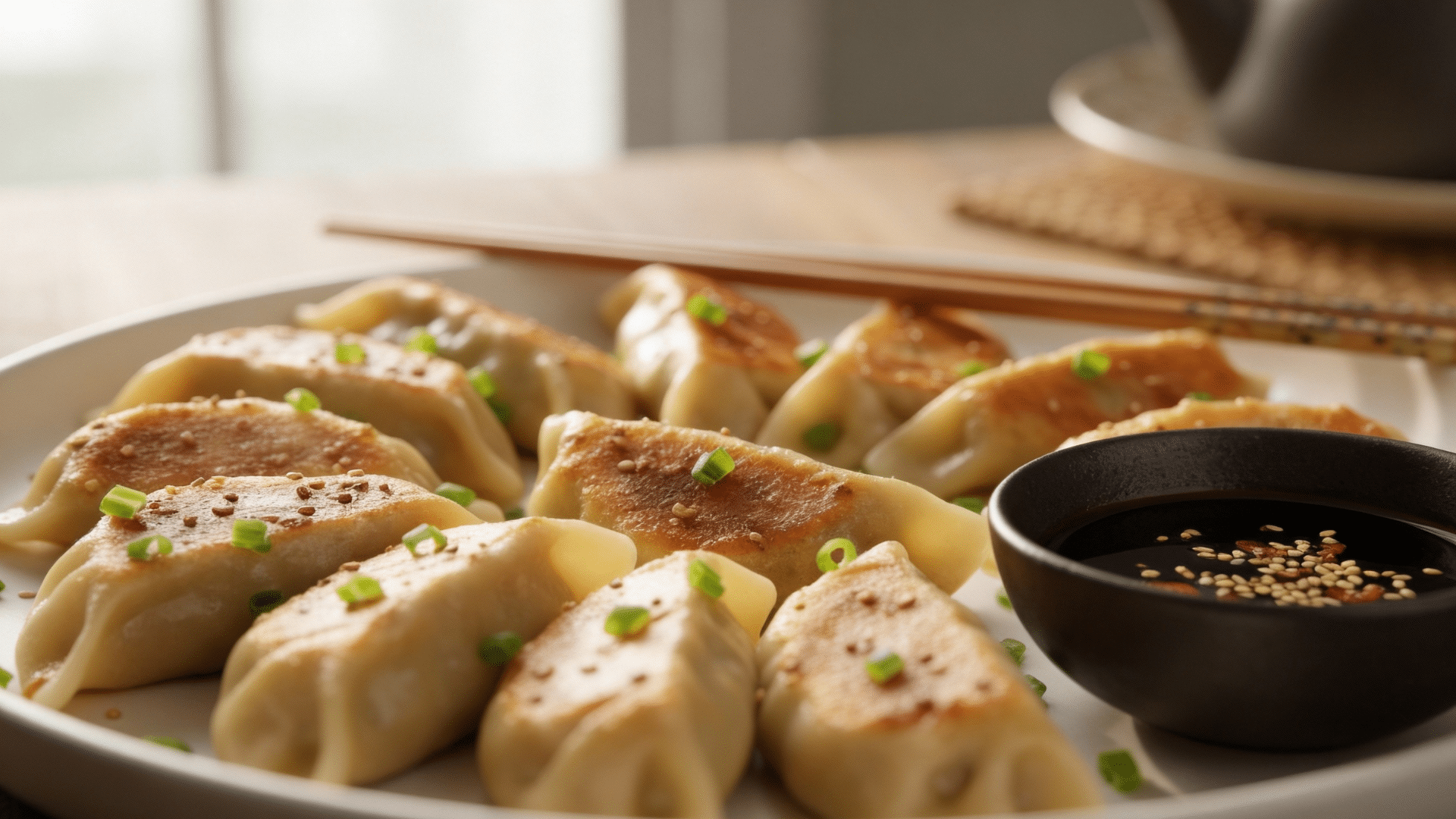
Chinese dumplings resemble ancient gold ingots used as currency. Their shape brings wealth and prosperity to those who eat them.
Families gather to make dumplings together on New Year’s Eve. The folding process symbolizes wrapping up good fortune.
Some cooks hide a coin inside one dumpling for extra luck. The person who finds it will have exceptional fortune.
Steamed dumplings rise and expand, just like hopes for the coming year. Eating many dumplings shows a desire for abundant blessings throughout all twelve months.
Click here for Pork and Cabbage Dumplings Recipe.
13. Hoppin’ John
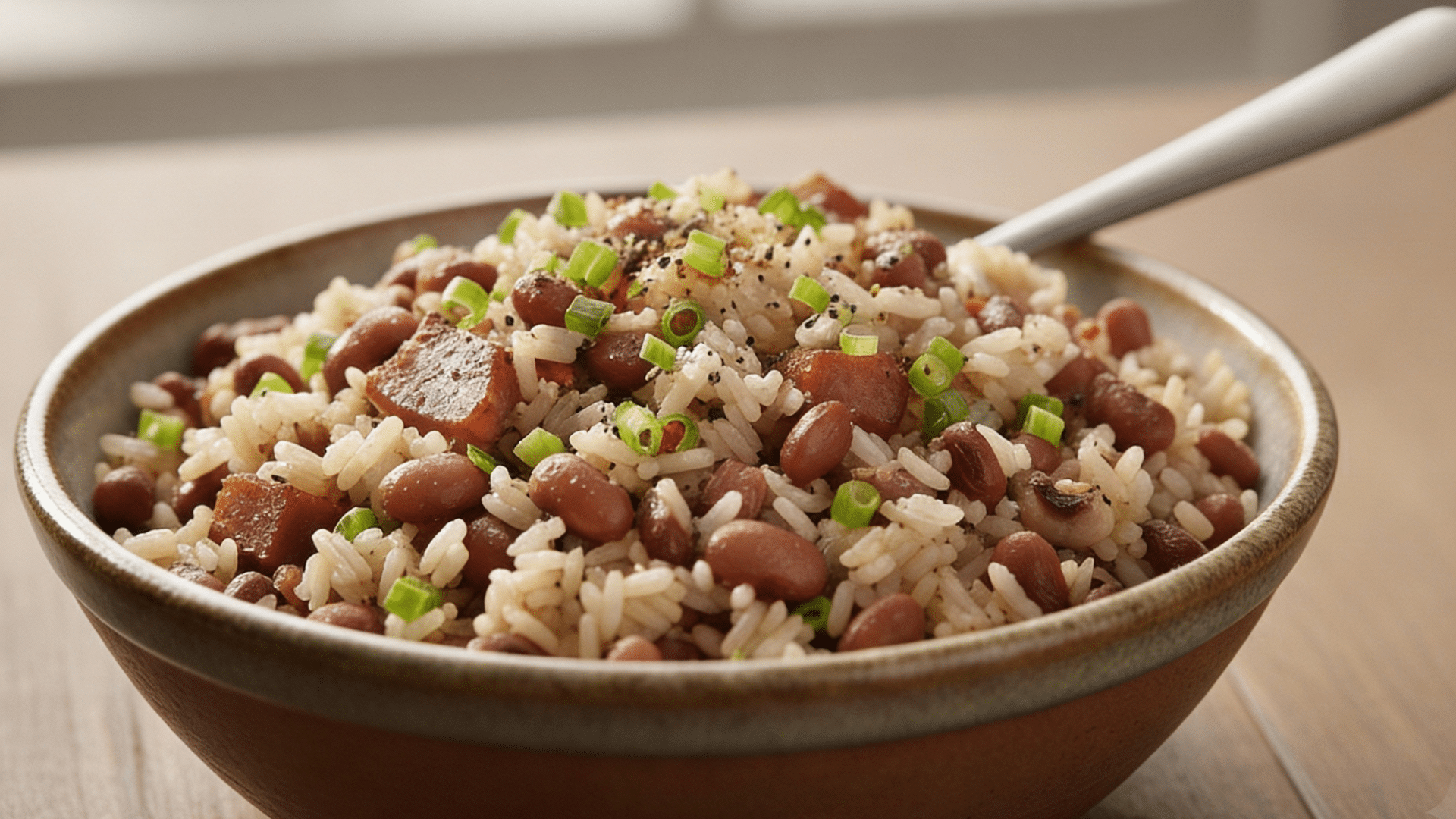
Hoppin’ John combines black-eyed peas, rice, and pork for triple luck. This Southern dish brings health, wealth, and happiness together.
The peas represent coins, the greens added on top symbolize dollars, and the cornbread on the side represents gold. Eating Hoppin’ John on New Year’s Day is a complete luck ritual.
The name’s origin is unclear, but the tradition is strong. Some say eating it for lunch brings better fortune than dinner.
Click here for Traditional Hoppin’ John Recipe.
Foods to Avoid Eating on New Year’s Day
Some foods are considered bad luck on New Year’s Day. Different cultures believe certain dishes can bring misfortune or hardship.
| Food to Avoid | Why It’s Considered Bad Luck |
|---|---|
| Chicken | Chickens scratch backward, symbolizing going backward in life instead of moving forward. |
| Lobster | Lobsters move backward when they swim, representing setbacks and regression in the new year. |
| White-colored foods | White represents death and mourning in some Asian cultures, so avoid white foods on this day. |
| Cracked or broken foods | Broken eggs, cracked nuts, or any damaged food symbolizes broken luck and shattered dreams. |
| Foods with wings | Birds can fly away, taking your luck with them. Some say this means your fortune will escape. |
| Empty pantry or refrigerator | An empty kitchen on New Year’s Day means you’ll face scarcity all year long. Keep it stocked. |
| Crab | Crabs walk sideways, suggesting you won’t make progress. You’ll move side to side instead of forward. |
To Wrap Up
New Year’s Day food traditions connect us to our roots. They remind us that hope matters, even in small rituals.
So what should go on your plate? Pick foods that mean something to you.
Maybe it’s black-eyed peas from your grandmother’s kitchen. Or perhaps it’s dumplings you learned to fold last year.
These traditions survived centuries because people believed in them. They found comfort in starting each year with familiar dishes and hopeful symbols.
So, what will you eat this 1st Jan?