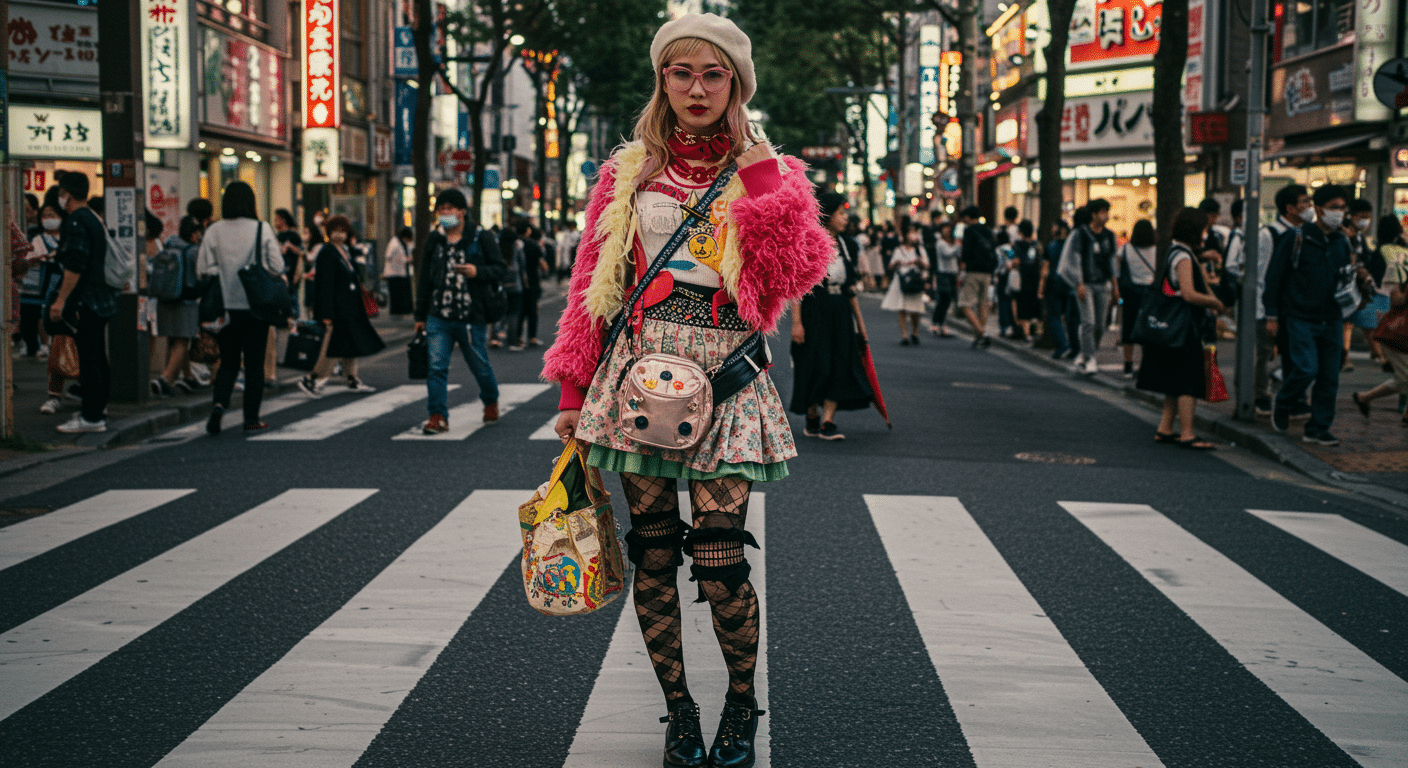
Walk through Tokyo, and you’ll spot something unusual. People dressed in rainbow colors, piled-high accessories, and mismatched patterns fill certain streets.
This isn’t costume play. It’s everyday fashion.
Most fashion tells you what to wear. This style does the opposite. It hands you complete freedom. Just pure self-expression through clothing.
This blog covers how this began and why it matters today.
What is Harajuku Style?
Harajuku style is Japanese street fashion born in Tokyo’s Harajuku district. It’s not one single look.
Many Different Styles Share One Core Idea: Wear what makes you happy.
Freedom defines this fashion. No rulebook exists. Mix vintage with modern pieces. Combine expensive items with thrift finds. Clash patterns and colors on purpose.
Bold self-expression drives every outfit. People layer multiple clothing items together. Accessories pile on without limit. Hair takes on bright, unusual colors.
Harajuku style ignores traditional fashion and seasonal trends completely. The outfit reflects personality, not magazine rules.
Where did this Style Come From?
The 1980s marked the birth of Harajuku fashion. Japanese youth wanted to break away from conservative dress codes.
They found freedom on Takeshita Street every Sunday.
What Shaped This Movement:
- Post-war Western culture mixed with Japanese traditions
- Rock and punk music from Britain and America
- Growing anime and manga influence
- Rebellion against strict school uniforms
The 1990s brought global recognition. Fashion magazines featured these street styles.
Designers drew inspiration from Harajuku’s creativity. International tourists started visiting just to see the outfits.
Gwen Stefani’s “Harajuku Girls” era in 2004 introduced the style to mainstream Western audiences. Social media later helped spread it worldwide. Today, Harajuku remains a living laboratory for fashion experimentation.
Key Characteristics of Harajuku Style
Harajuku fashion breaks all traditional rules. But certain elements appear again and again.
Color & Pattern: Bright colors dominate the streets. Pink, blue, yellow, and rainbow combinations are common. Patterns don’t need to match. Stripes with polka dots work perfectly fine here.
Layering: Multiple layers create depth and interest. A dress over pants, or a shirt under a vest under a jacket, shows the “more is more” approach.
Accessories: Accessories complete every Harajuku outfit. Oversized bows, colorful wigs, platform shoes, animal-shaped bags, and unusual jewelry add personality to any look.
Mix & Match: Different styles blend together freely. Vintage pieces meet modern items, expensive brands mix with thrift store finds, and traditional Japanese elements pair with Western fashion.
DIY Spirit: Many pieces are handmade or customized by wearers. People paint jackets, add patches and pins, or cut and reshape old clothes into something new.
Popular Harajuku Fashion Styles
Harajuku hosts many different fashion tribes. Each style has its own unique identity.
1. Decora
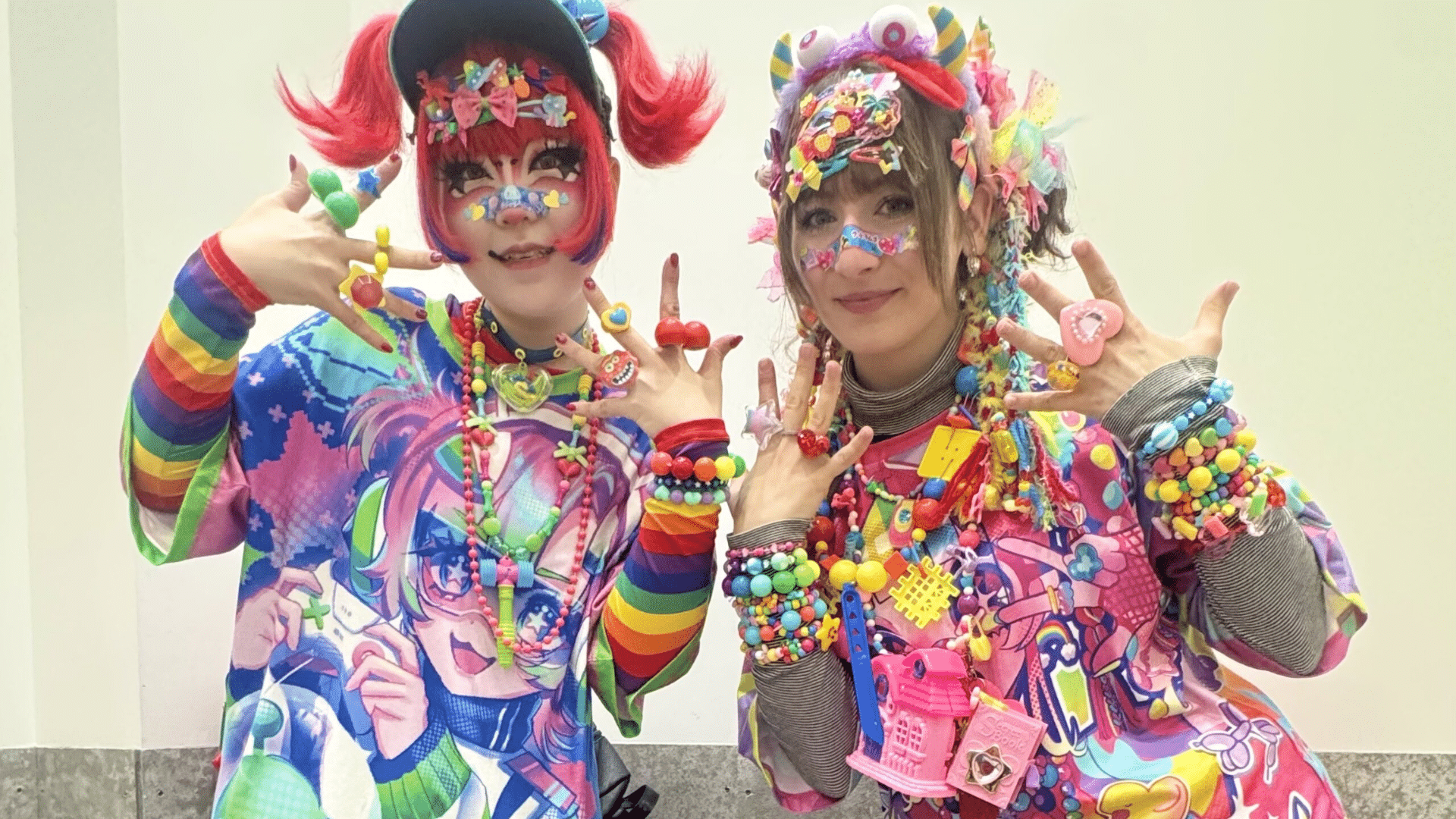
Decora means “decoration” in Japanese.
Wearers pile on as many accessories as possible. Hair clips cover every inch of their head. Colorful bracelets climb up both arms. Multiple necklaces hang at different lengths. Bright colors clash on purpose.
Maximum accessories create a playful, childlike energy that’s impossible to ignore.
2. Lolita
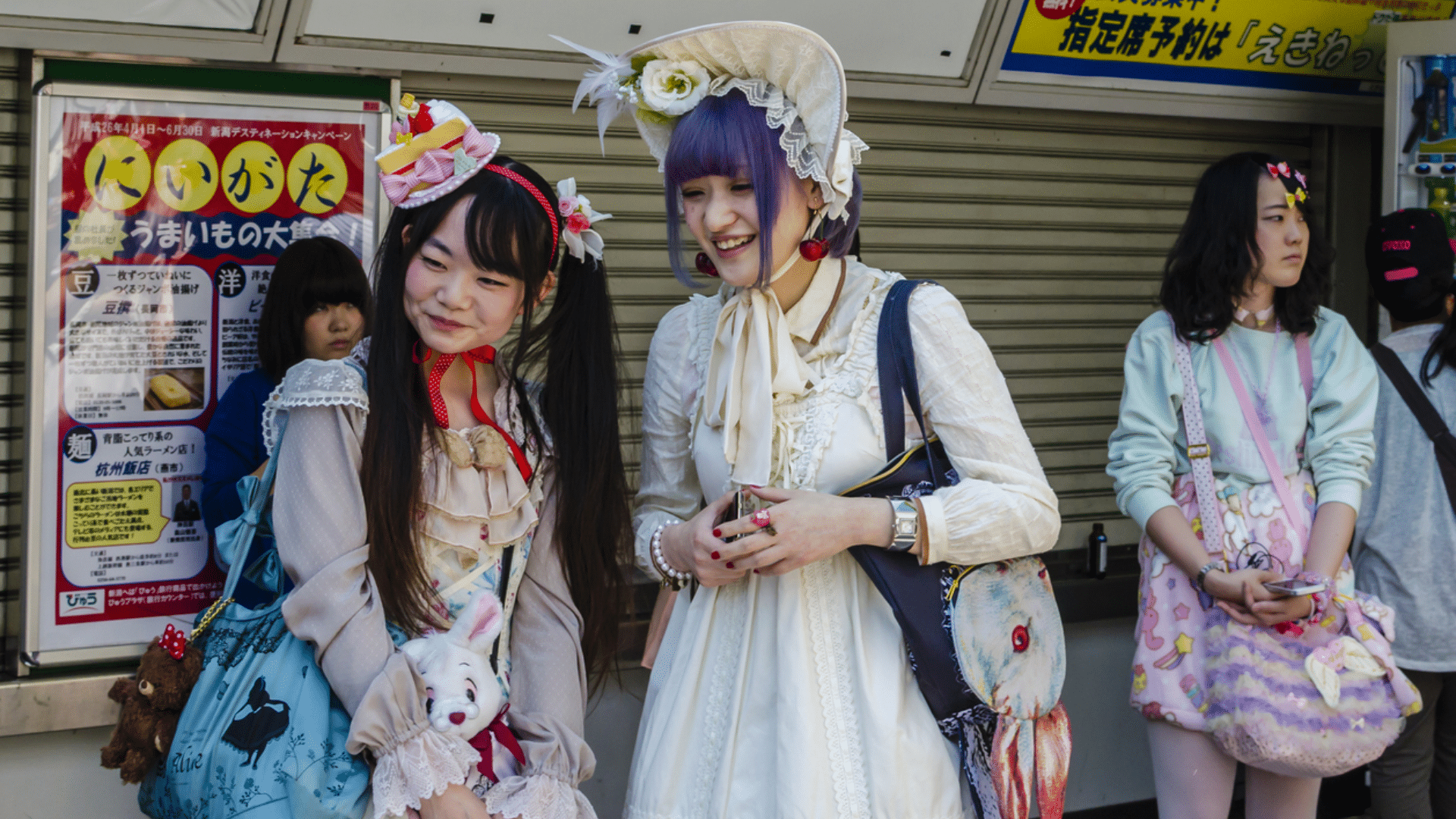
Lolita fashion brings Victorian dolls to life. Knee-length skirts puff out with petticoats underneath. Blouses feature delicate lace and ruffles.
Different types exist: Gothic Lolita uses all black, Sweet Lolita chooses soft pastels, and Classic Lolita picks muted colors.
Combines historical elegance with modern Japanese cuteness for a timeless, doll-like appearance.
3. Punk & Visual Kei
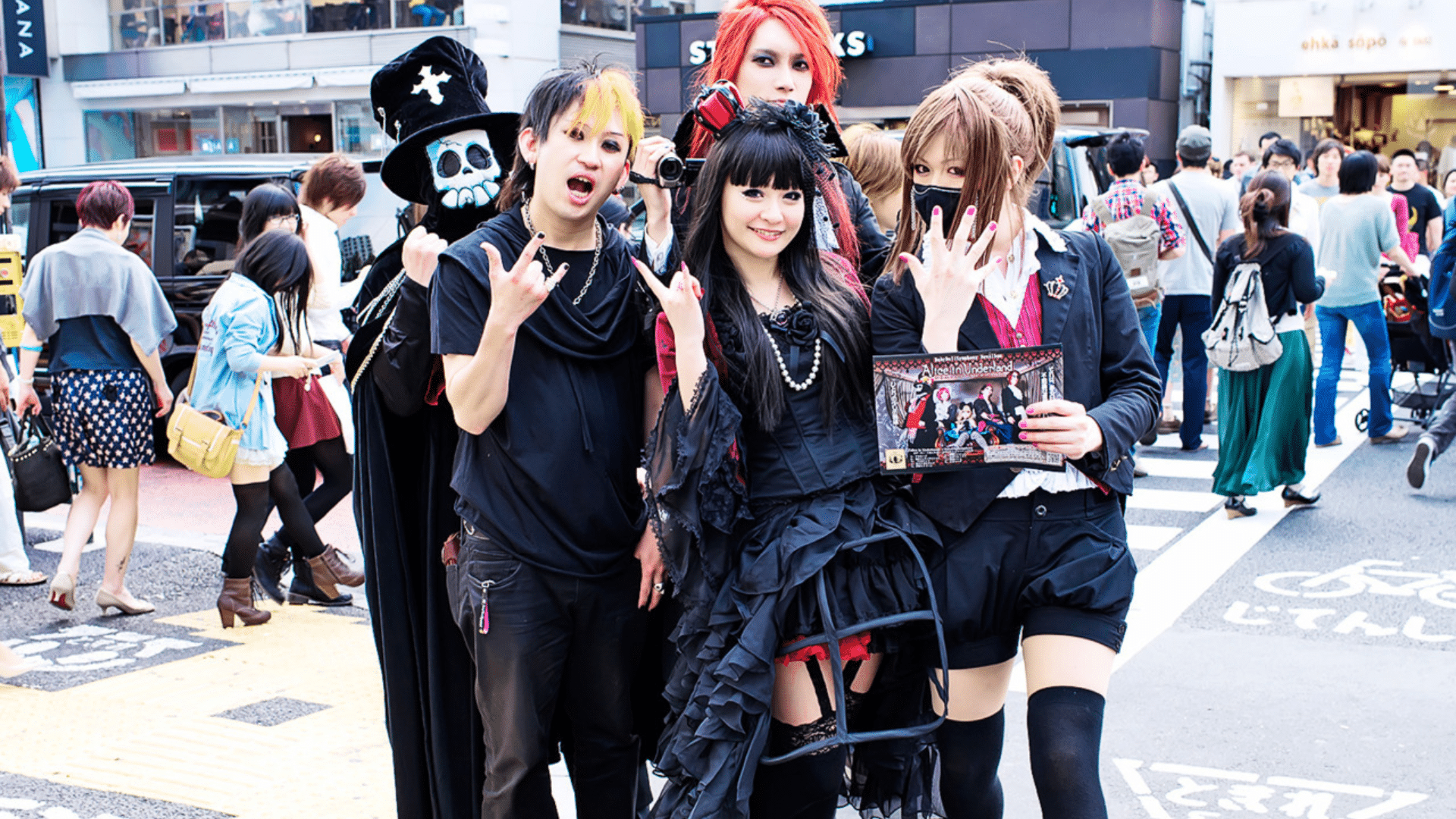
Punk Harajuku borrows from British punk rock culture. Leather jackets, ripped jeans, band tees, and studded belts define the look.
Visual Kei brings Japanese rock music into fashion with dramatic eye makeup and gravity-defying hairstyles.
Merges Western rock rebellion with Japanese theatrical flair for a dramatic, music-inspired look.
4. Kawaii Street
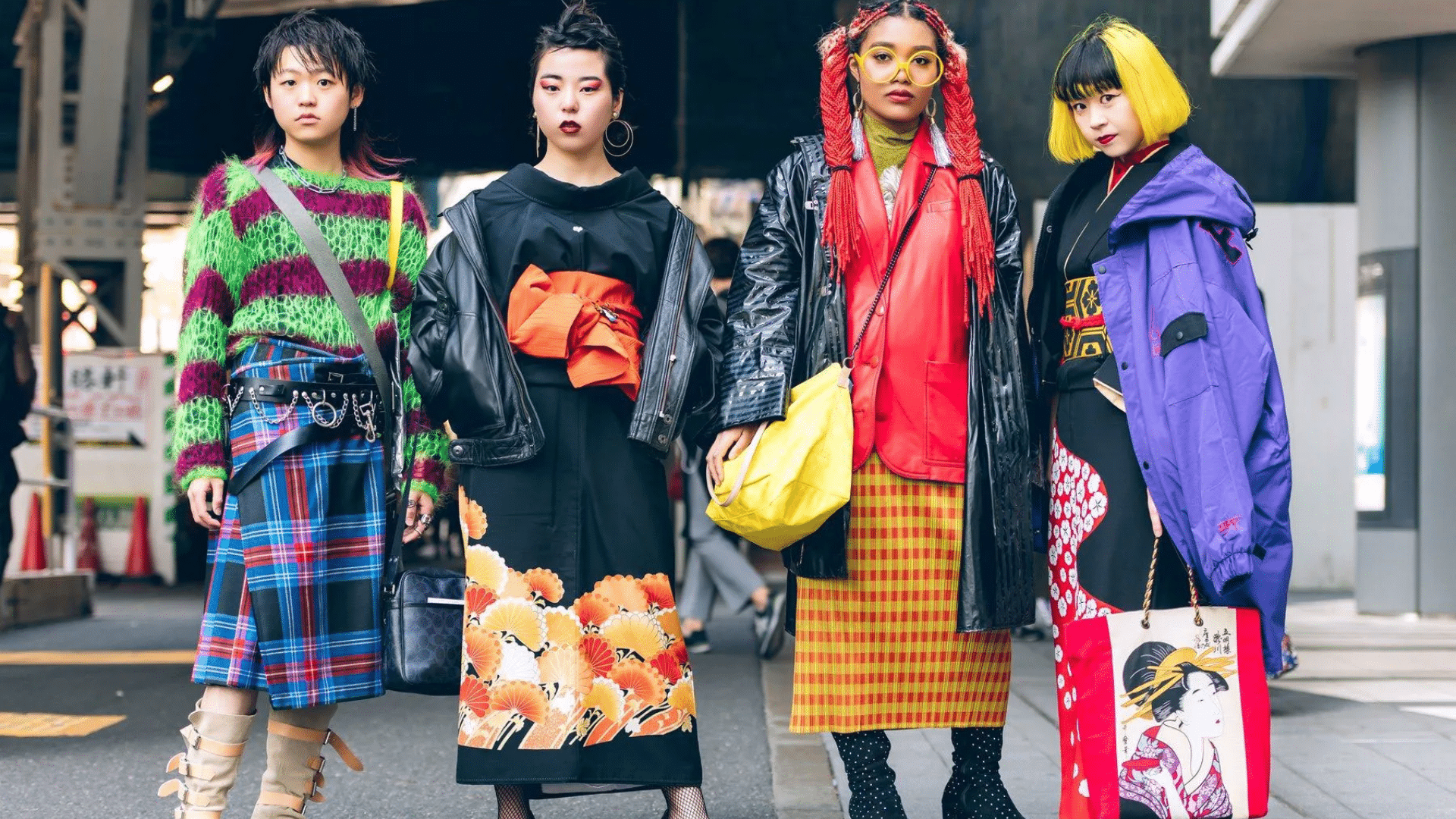
Kawaii means “cute” in Japanese. This street style makes cuteness wearable every day.
Oversized hoodies feature cartoon characters. Comfortable pants pair with pastel-colored tops. You can wear it to school or shopping.
Makes Japanese cute culture accessible and practical for everyday wear without sacrificing style.
5. Guro-kawa (Grotesque Cute)
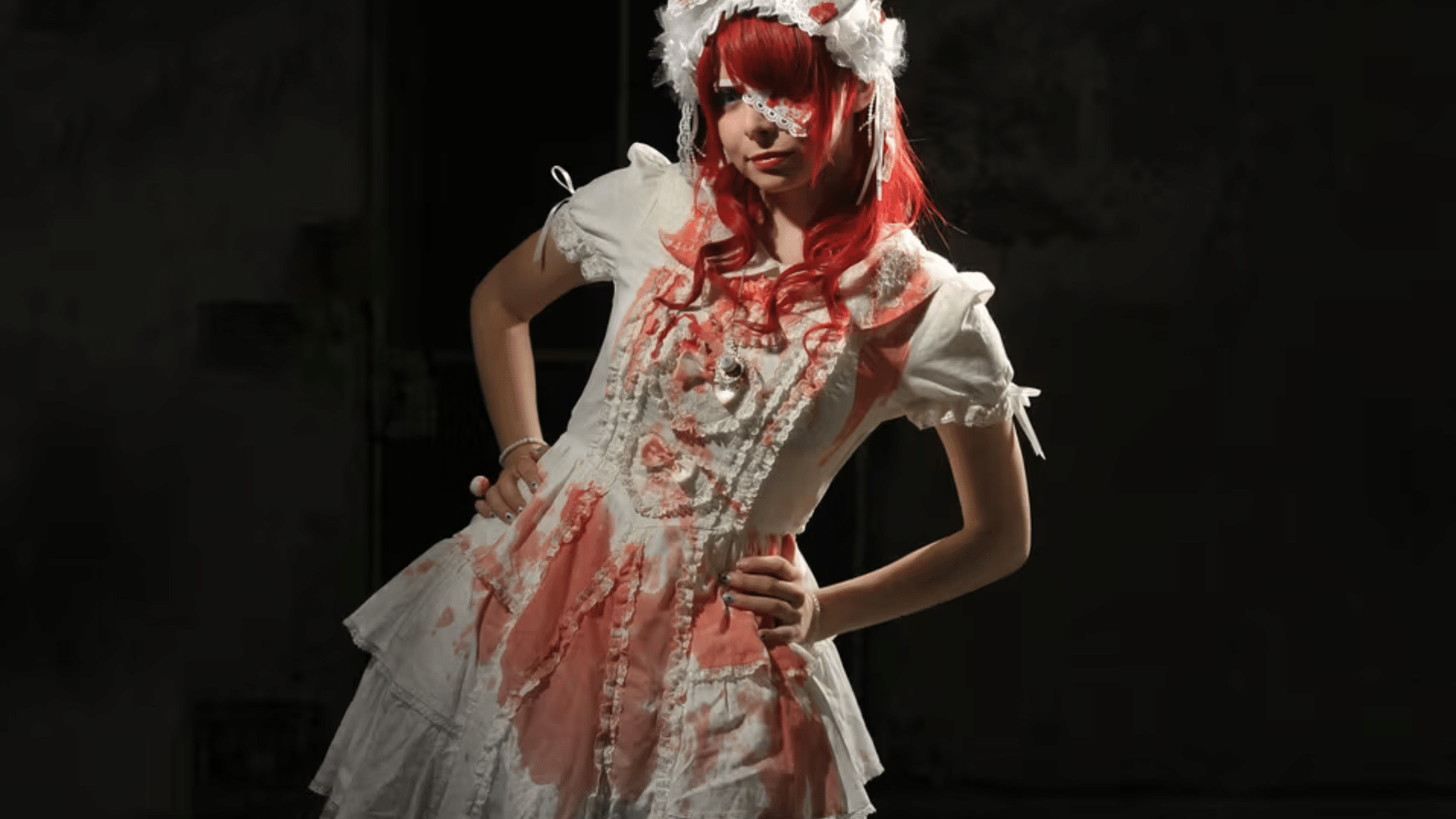
Guro-kawa mixes opposite ideas together. A frilly Lolita dress gets fake blood splatters. Cute teddy bears have stitches or missing eyes. Pastel colors pair with bandages and bruises.
It questions what “cute” should look like.
Challenges beauty standards by blending innocent sweetness with dark, unsettling elements.
How Harajuku Style is Worn Today (And How You Can Try It)
Ready to try Harajuku fashion? Follow these steps to build your own look.
Step 1: Pick a Style That Speaks to You
Look at the different Harajuku styles above. Which one catches your eye? Do you love cute things? Try Kawaii Street. Prefer something darker? Punk might fit better.
Don’t worry about picking perfectly. You can always change later.
Step 2: Start With One Statement Piece
You don’t need a complete outfit right away. Pick one bold item first.
A colorful wig works well. Platform shoes make an impact. An oversized graphic hoodie stands out. Build around that piece.
Step 3: Layer and Mix Items You Already Own
Check your closet before shopping. That band tee can work for Punk style. Your pastel cardigan fits Kawaii Street.
Mix patterns that normally don’t match. Add accessories from different styles together.
Step 4: Add Accessories Freely
Accessories transform any outfit into Harajuku style. Stack multiple bracelets on one arm. Clip bows in your hair. Wear mismatched socks. Carry a bag with character prints.
More accessories mean more personality.
Step 5: Wear What Makes You Happy
This is the most important step. Wear what feels right to you. Ignore anyone who says it’s “too much” or “weird.” Your confidence makes the outfit work.
Why Harajuku Style Still Matters Today
Harajuku fashion hasn’t faded away. It’s still alive and growing.
Modern Impact:
Social media gave Harajuku new life. Instagram and TikTok show daily street snaps from Tokyo. Young creators worldwide share their Harajuku-inspired looks.
Global Influence:
Major fashion brands now borrow from Harajuku elements. Designers study Tokyo’s streets for fresh ideas. K-pop stars and Western celebrities mix these styles into their outfits.
The Bigger Picture:
This movement taught an important lesson. You don’t need permission to express yourself. Confidence matters more than following rules perfectly.
Harajuku created space for alternative fashion everywhere. The style proves that being different isn’t just acceptable, it’s celebrated.
Conclusion
Harajuku style stands as proof that fashion belongs to everyone.
This Japanese street fashion movement broke traditional rules and created space for pure self-expression.
The styles range from sweet Lolita dresses to bold Decora accessories. Each one tells a different story.
You now understand the cultural roots and key characteristics that make Harajuku special. The next step is yours.
Take what you learned here and make it your own. Mix styles freely. Your unique voice matters more than perfect execution.
Harajuku fashion celebrates individuality above everything else.