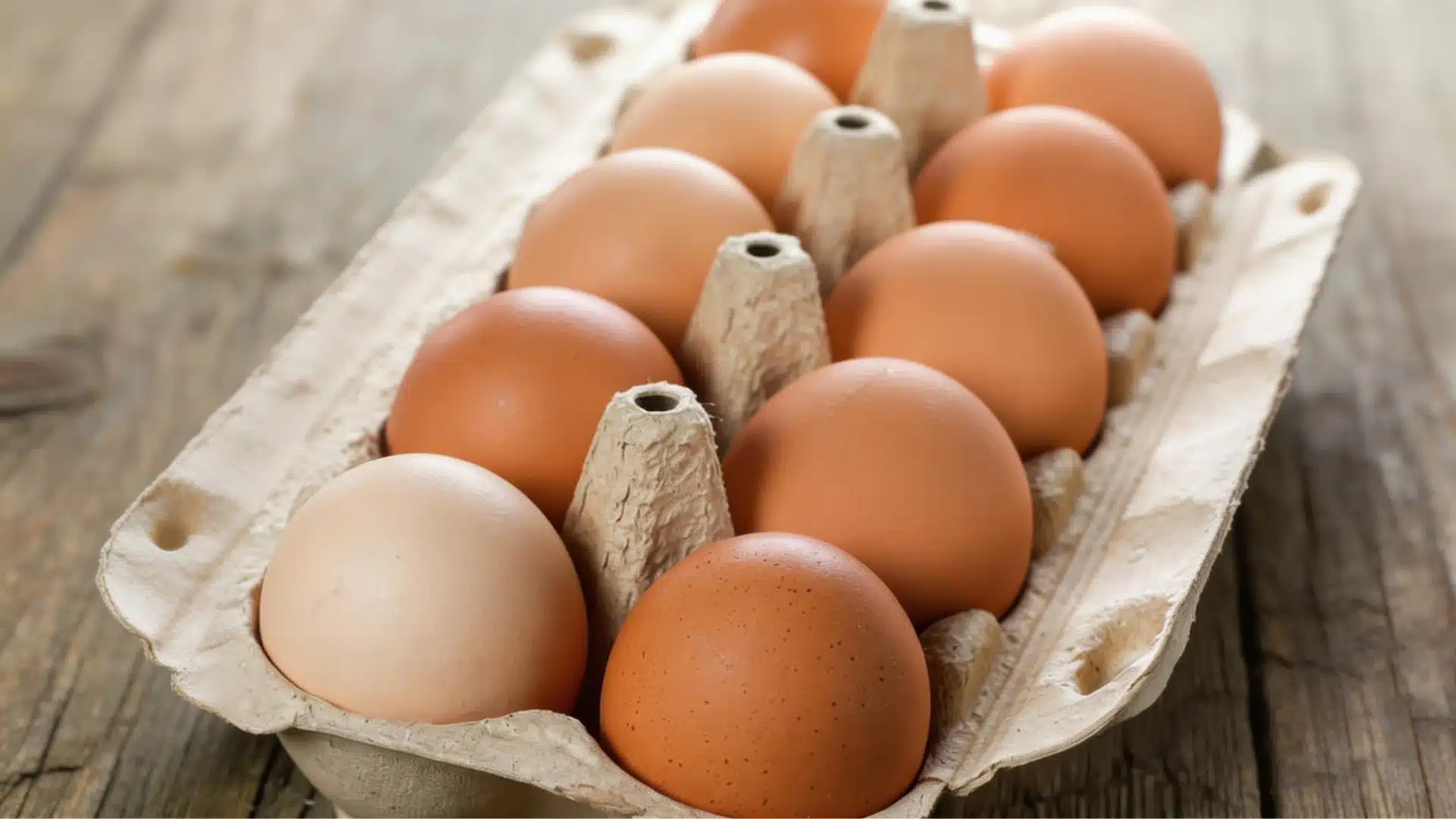
Cracked your last egg only to realize mid-recipe that you’re one short. We’ve all been there.
The trouble is, eggs do a lot of heavy lifting in baking. They bind, they lift, they add moisture.
Pull them out without a plan, and you usually end up with something flat, crumbly, or just plain wrong.
There are several things you can use instead of eggs in baking that actually work. I’ve tested most of them in my own kitchen, and I’m here to share what’s worth your time.
What Can You Use as a Substitute for Eggs?
People swap out eggs for various reasons.
Allergies, a vegan diet, or simply running out on a Sunday morning when the shops are closed.
The key to a good swap is understanding what eggs are doing in the first place.
In baking, they bind ingredients together, add moisture, and help things rise. Get the substitute wrong, and your recipe suffers. Get it right, and nobody notices the difference.
The most reliable options are applesauce, mashed banana, yogurt or buttermilk, vinegar combined with baking soda, flaxseed egg, chia seed egg, and silken tofu.
Each one works differently depending on the recipe, which is exactly what we’ll get into next.
What to Use Instead of Eggs in Baking
Not every substitute works in every recipe. The right swap depends on what the egg is doing in that particular bake.
What works in a brownie won’t always work in a sponge cake.
1. Applesauce as an Egg Substitute
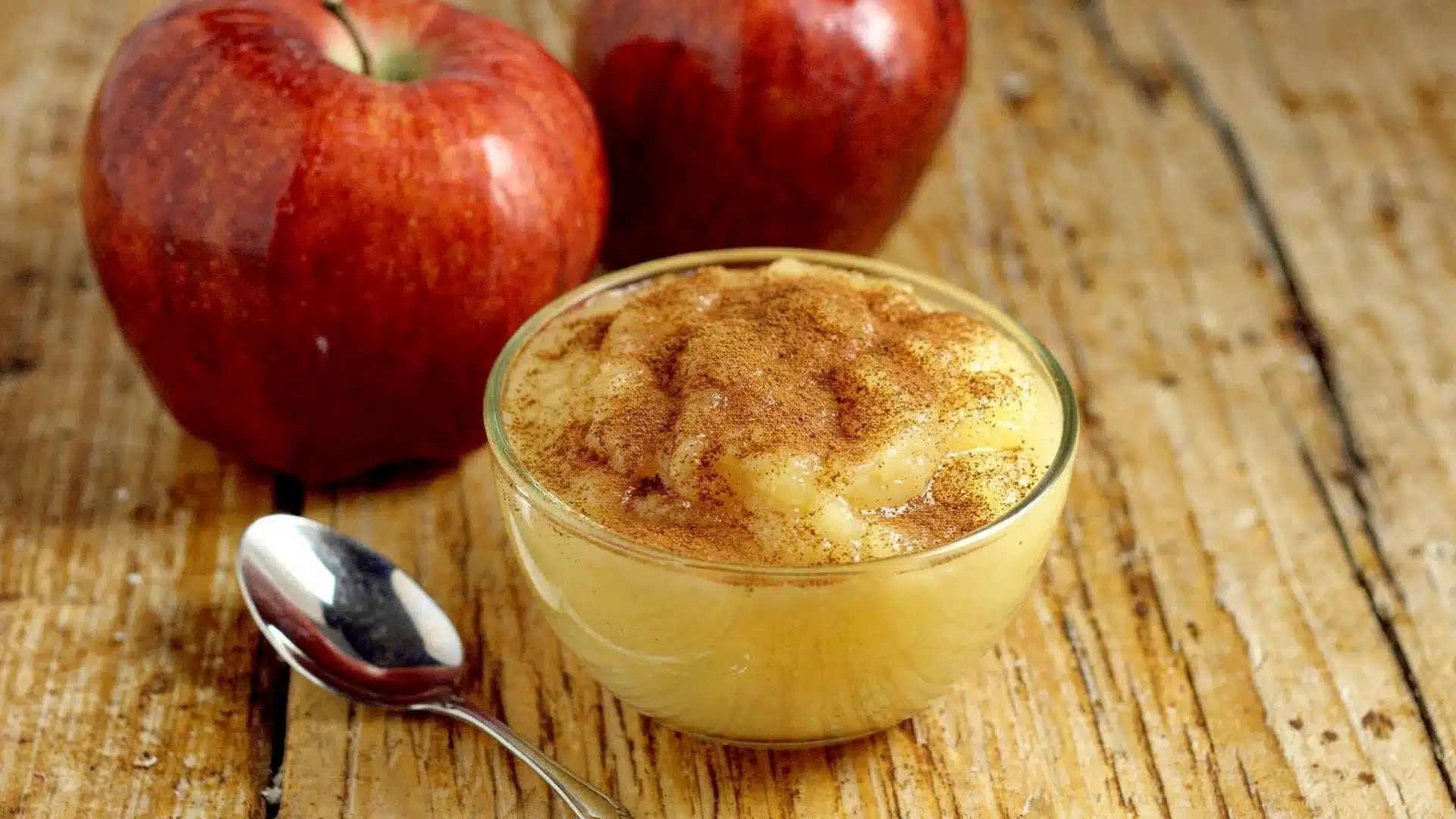
Use 1/4 cup unsweetened applesauce to replace 1 egg. It works beautifully in cakes and muffins, keeping them moist and tender.
The flavor is mild enough that it rarely comes through in the final bake.
Just know it adds a little density, so it’s not ideal for anything that needs a light, airy crumb.
Jane’s tip: I always keep a jar in the pantry. It’s saved more than one last-minute bake at my place.
2. Mashed Banana
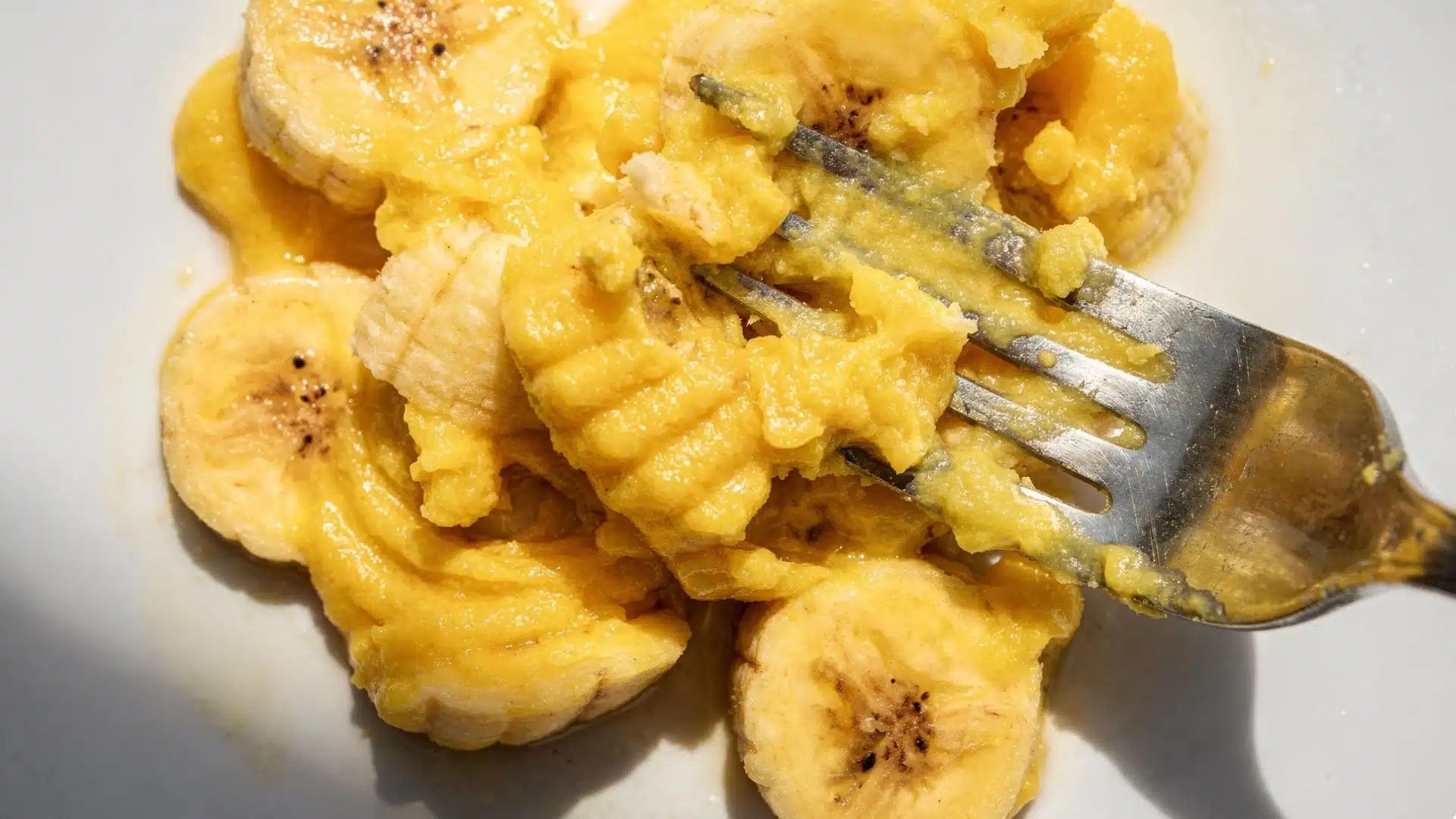
A quarter cup of ripe mashed banana replaces one egg well in brownies, banana bread, and dense cakes.
It adds natural sweetness and a slight banana flavor, so it works best in recipes where that’s welcome. The riper the banana, the better it binds.
Expect a slightly heavier texture compared to the original recipe.
3. Flaxseed
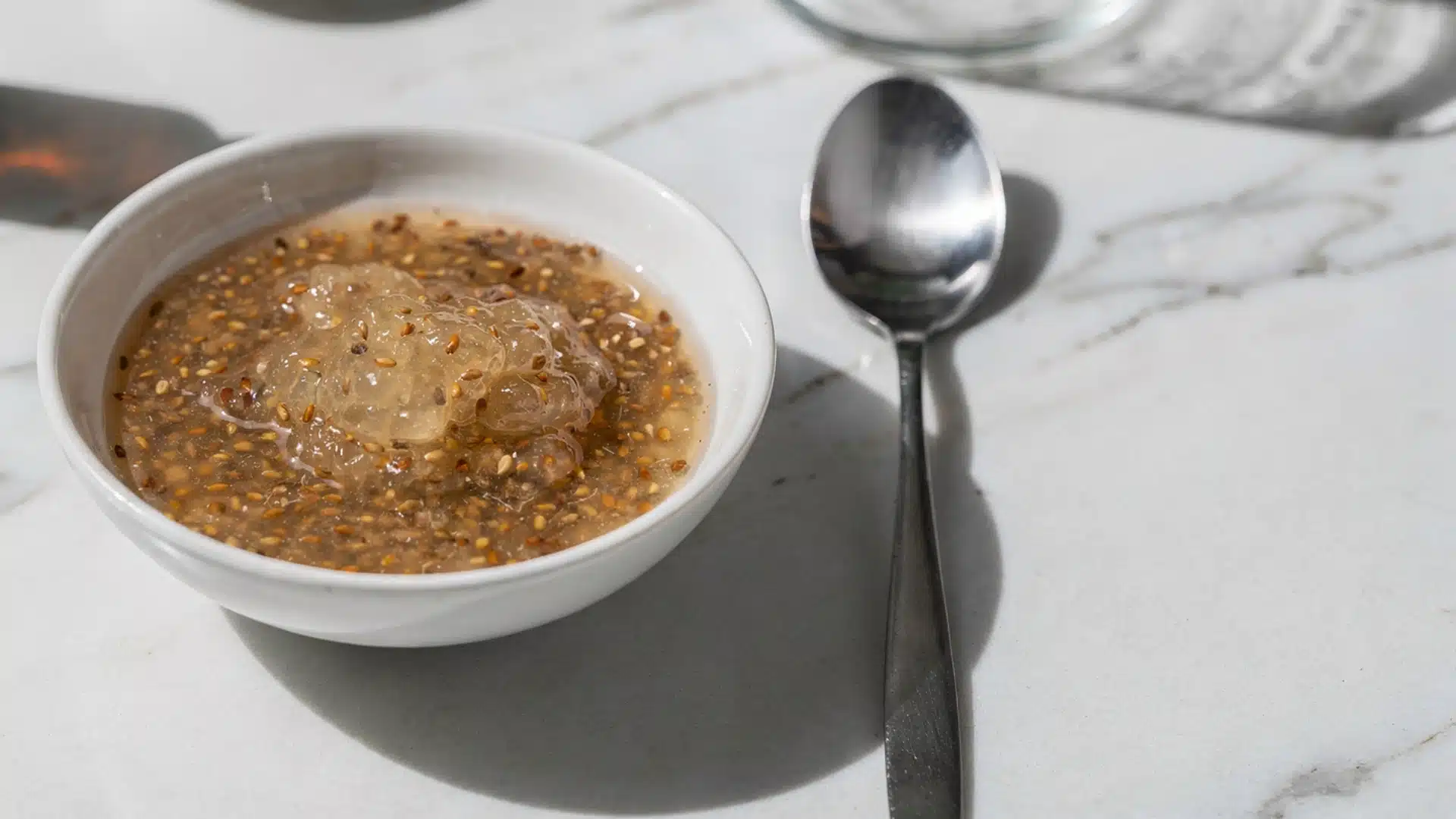
Mix one tablespoon of ground flaxseed with three tablespoons of water, and let it sit for five minutes until it becomes gel-like.
It binds well and adds a mild nutty flavor that works nicely in cookies, pancakes, and hearty muffins. It won’t help with rise, so pair it with a recipe that doesn’t rely on eggs for leavening.
Jane’s tip: Ground flaxseed keeps well in the freezer. I buy it in bulk and it lasts for months.
4. Chia Seeds
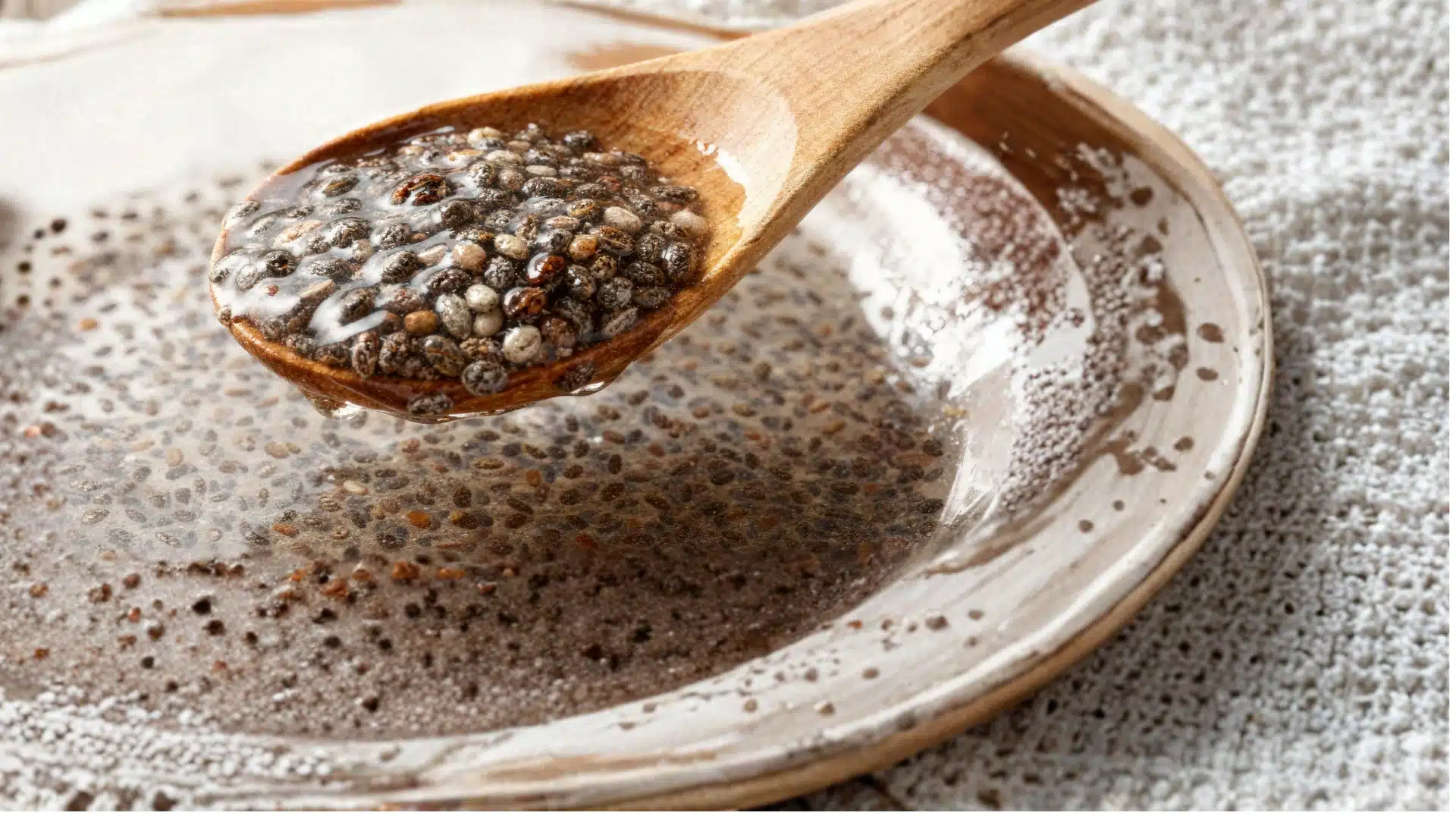
Same ratio as flax: one tablespoon of chia seeds to three tablespoons of water, rested for ten minutes.
Chia forms a thicker gel and has a more neutral flavor than flax.
It’s a solid binding agent for dense baked goods like energy bars, dense muffins, and seed-packed loaves. The tiny seeds are visible in the final bake, which is worth noting.
5. Yogurt or Buttermilk
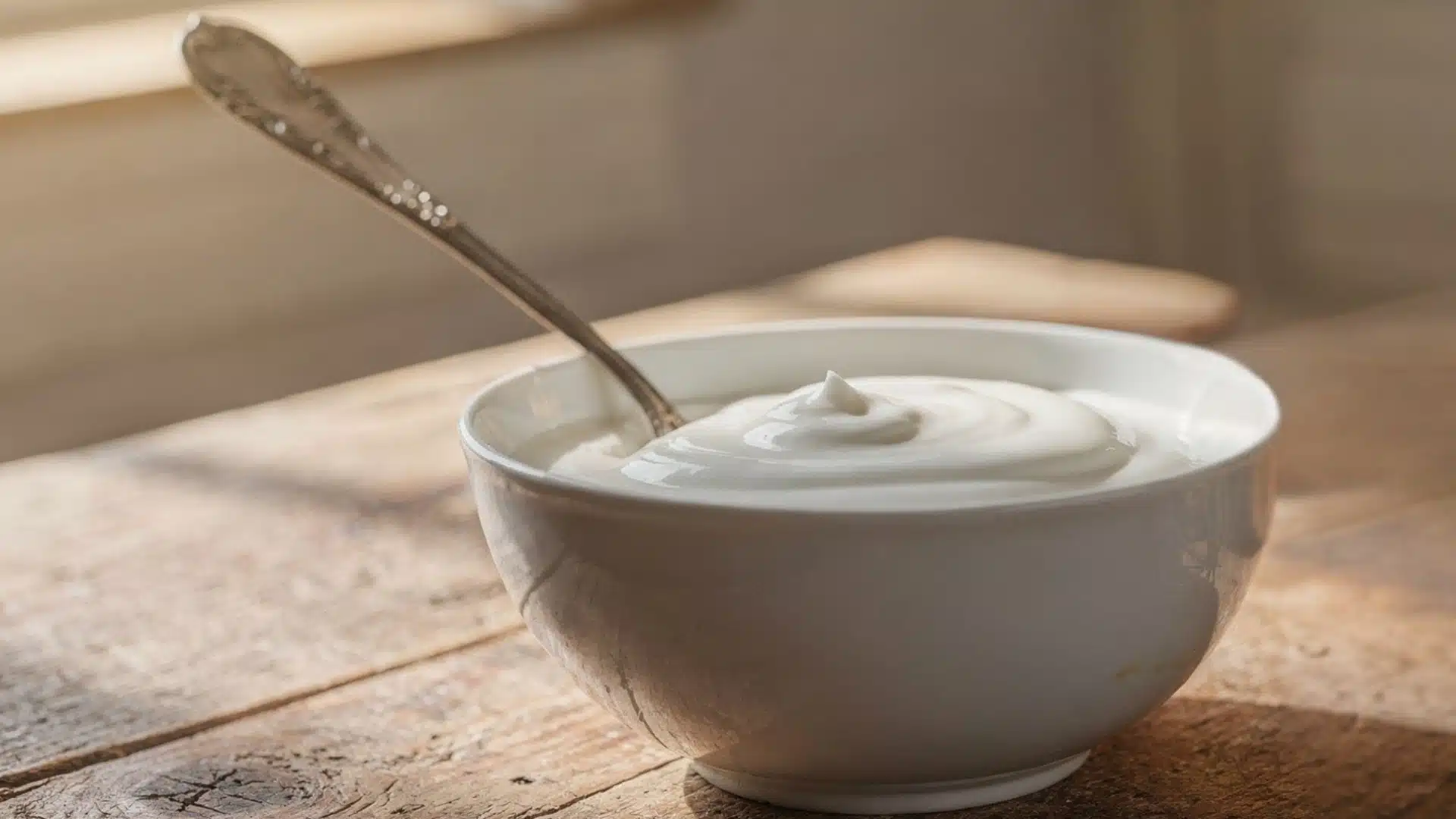
Use three tablespoons of plain yogurt or buttermilk per egg.
Both add moisture and a slight tang, making cakes and quick breads genuinely soft.
Yogurt in particular gives a lovely, tender crumb. It won’t help with structure the way an egg does, so it works best in recipes that are already fairly forgiving.
6. Vinegar and Baking Soda
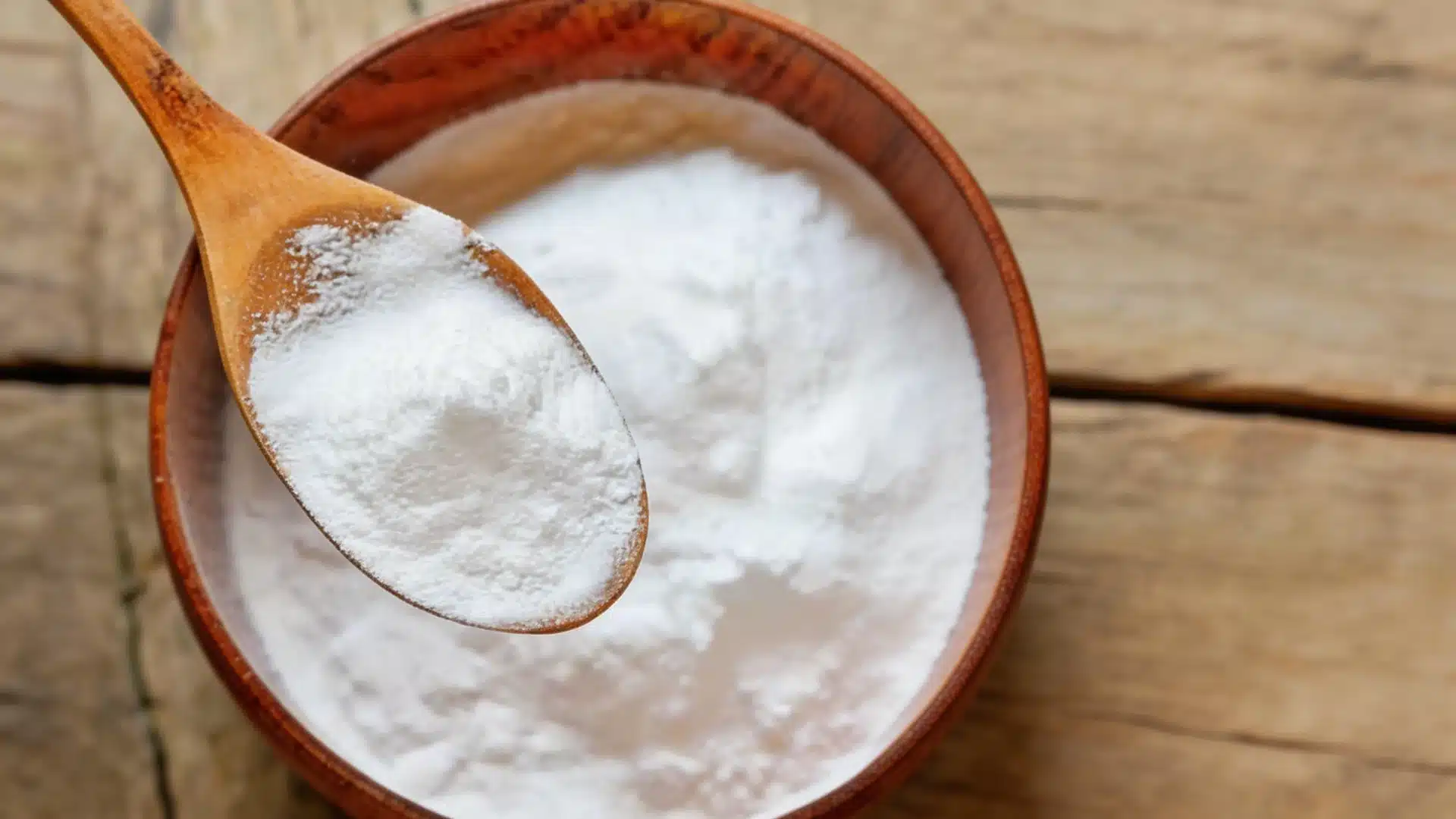
Combine 1 teaspoon of white or apple cider vinegar with 1/4 teaspoon of baking soda to replace 1 egg.
The reaction between the two creates lift, making this the best option for light, fluffy cakes and cupcakes. It adds no flavor or density.
For anything where rise is the main job of the egg, this is the one to reach for.
7. Silken Tofu
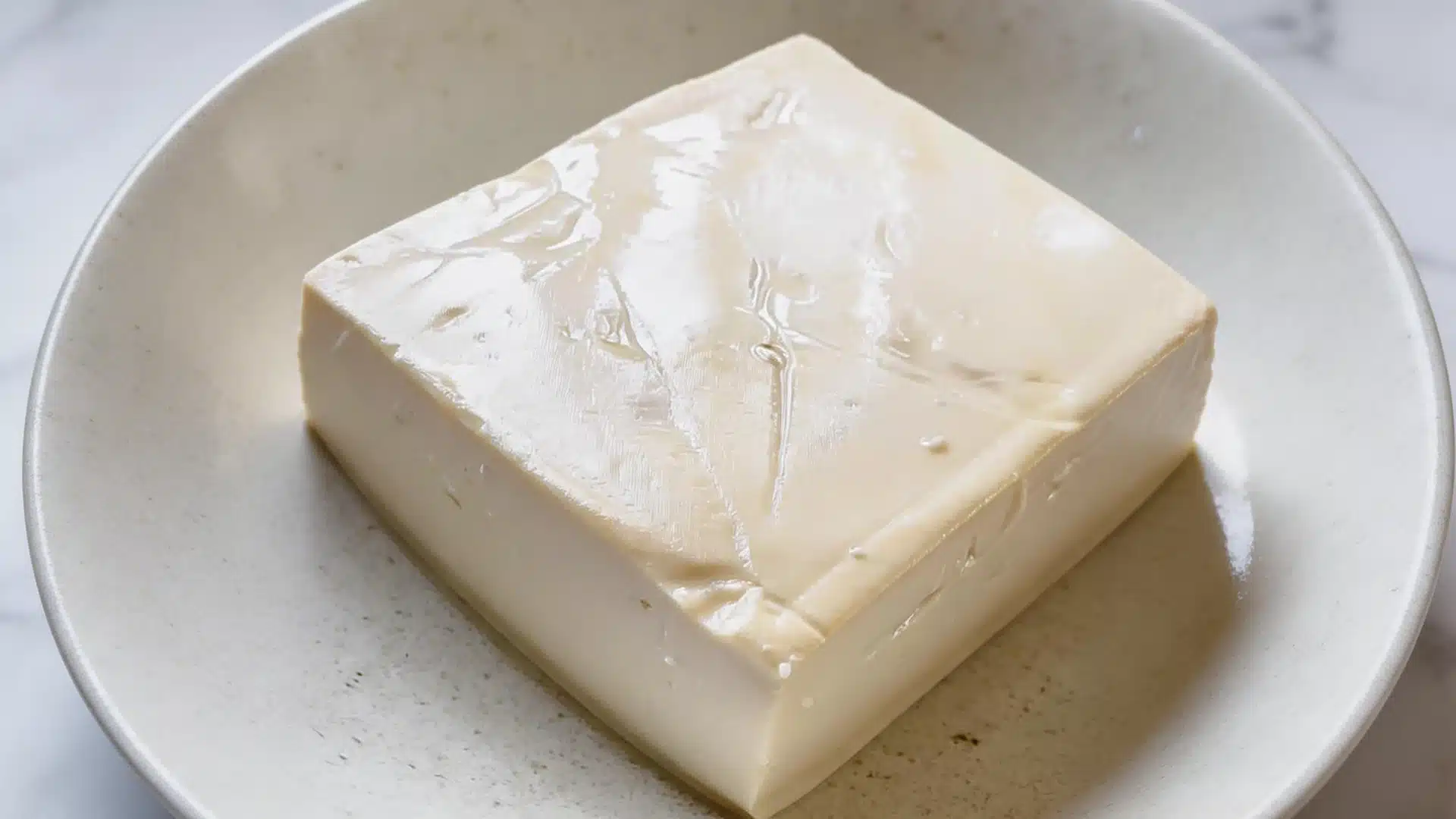
Blend a quarter cup of silken tofu until completely smooth before adding it to your batter.
It has almost no flavor of its own, which makes it incredibly versatile. It works best in dense, creamy recipes like cheesecakes, brownies, and chocolate cakes.
The texture it produces is rich and smooth, though it won’t give you any lift.
How to Choose the Right Egg Substitute
The right substitute depends entirely on what you’re baking. Same recipe, different texture goal, different swap.
1. For Cookies
Flaxseed egg is the strongest choice for structure and hold.
Applesauce keeps the center soft and moist. Banana adds chew and natural sweetness; best used in oat-based or chocolate chip recipes.
2. For Muffins
Applesauce is the safest swap for moisture without touching the flavor. It blends into the batter quietly and keeps the crumb from drying out.
Yogurt gives a tender, soft crumb with a subtle tang that actually improves most muffin recipes.
Banana suits fruit-forward muffins where a little extra sweetness belongs, though keep in mind it will add density, so it works better in heartier recipes than delicate ones.
3. For Brownies
Banana delivers a fudgy, dense texture that sits naturally alongside chocolate. Applesauce keeps things moist without adding weight.
Silken tofu blended smoothly adds richness and holds everything together with no detectable flavor of its own.
4. For Bread
Flaxseed egg handles binding well in most loaves, working particularly nicely in seeded or wholegrain recipes.
Chia egg suits heavier, denser breads that require a thicker gel.
For yeast breads, either will do the job.
Vinegar combined with baking soda is the right call for quick breads that need lift; the two react on contact, keeping the loaf from turning dense and flat.
5. For Banana Bread
An extra banana is the most natural swap, keeping both flavor and moisture true to the original. Applesauce works well for a less banana-forward result.
Yogurt adds softness and keeps the sweetness balanced without weighing the loaf down.
Egg Substitute Chart for Baking
This table gives you a quick reference for every substitute, how much to use, and what to expect from the final bake.
| Substitute | Per Egg | Best For | Texture |
|---|---|---|---|
| Applesauce | ¼ cup | Cakes, muffins | Soft, moist |
| Mashed Banana | ¼ cup | Brownies, loaves | Dense, sweet |
| Flaxseed Egg | 1 tbsp + 3 tbsp water | Cookies, bread | Firm, nutty |
| Chia Seed Egg | 1 tbsp + 3 tbsp water | Muffins, loaves | Thick, dense |
| Yogurt | ¼ cup | Cakes, quick breads | Soft, tender |
| Vinegar + Baking Soda | 1 tsp + ¼ tsp | Light cakes | Airy, fluffy |
| Silken Tofu | ¼ cup | Brownies, cheesecakes | Rich, smooth |
| Aquafaba | 3 tbsp | Meringues, cookies | Light, airy |
Common Mistakes to Avoid
Most egg-free baking fails come down to one of these.
- Using a heavy substitute like banana or tofu in a recipe that needs a light, airy result
- Swapping one egg substitute for another mid-recipe without adjusting quantities
- Forgetting that egg-free batters often need a slightly shorter bake time
- Picking a flavored substitute like banana or nut butter in a recipe where that flavor has no place
Final Thoughts
Baking without eggs is far more straightforward than it seems once you know what each substitute brings to the table. Applesauce, flaxseed, yogurt, banana.
Each one has its place, and getting familiar with them makes egg-free baking feel less like a compromise and more like a real choice.
Start with one recipe you already know well, swap the egg, and see how it goes.
More often than not, you’ll surprise yourself.
Frequently Asked Questions
1. Can You Use Mayo as an Egg Substitute in Baking?
Yes, three tablespoons of mayonnaise replace one egg and work well in cakes and quick breads.
2. Does Aquafaba Work as an Egg Substitute for Meringue?
Yes, three tablespoons of aquafaba whip up well and hold its shape similarly to egg whites.
3. Can You Replace Eggs with Condensed Milk in Baking?
Three tablespoons of condensed milk can replace one egg in cakes and cookies, though it adds noticeable sweetness.
4. How Many Eggs Can You Replace in a Single Recipe?
Most recipes handle one to two egg swaps well; beyond that, the structure and texture can be harder to control.
5. Do Egg Substitutes Work the Same in Gluten-Free Baking?
Not always, gluten-free batters already lack structure, so flaxseed or chia egg tends to work better than liquid substitutes.