Buying a home is one of the biggest decisions you will ever make.
And the spec home vs custom home debate? It trips up a lot of buyers. Both options look good on paper, but the real difference is in the details.
This blog breaks down what each type of home actually offers, the costs, the control, and the trade-offs.
By the end, readers will know exactly which one best fits their situation.
Why do Buyers Love Spec Homes?
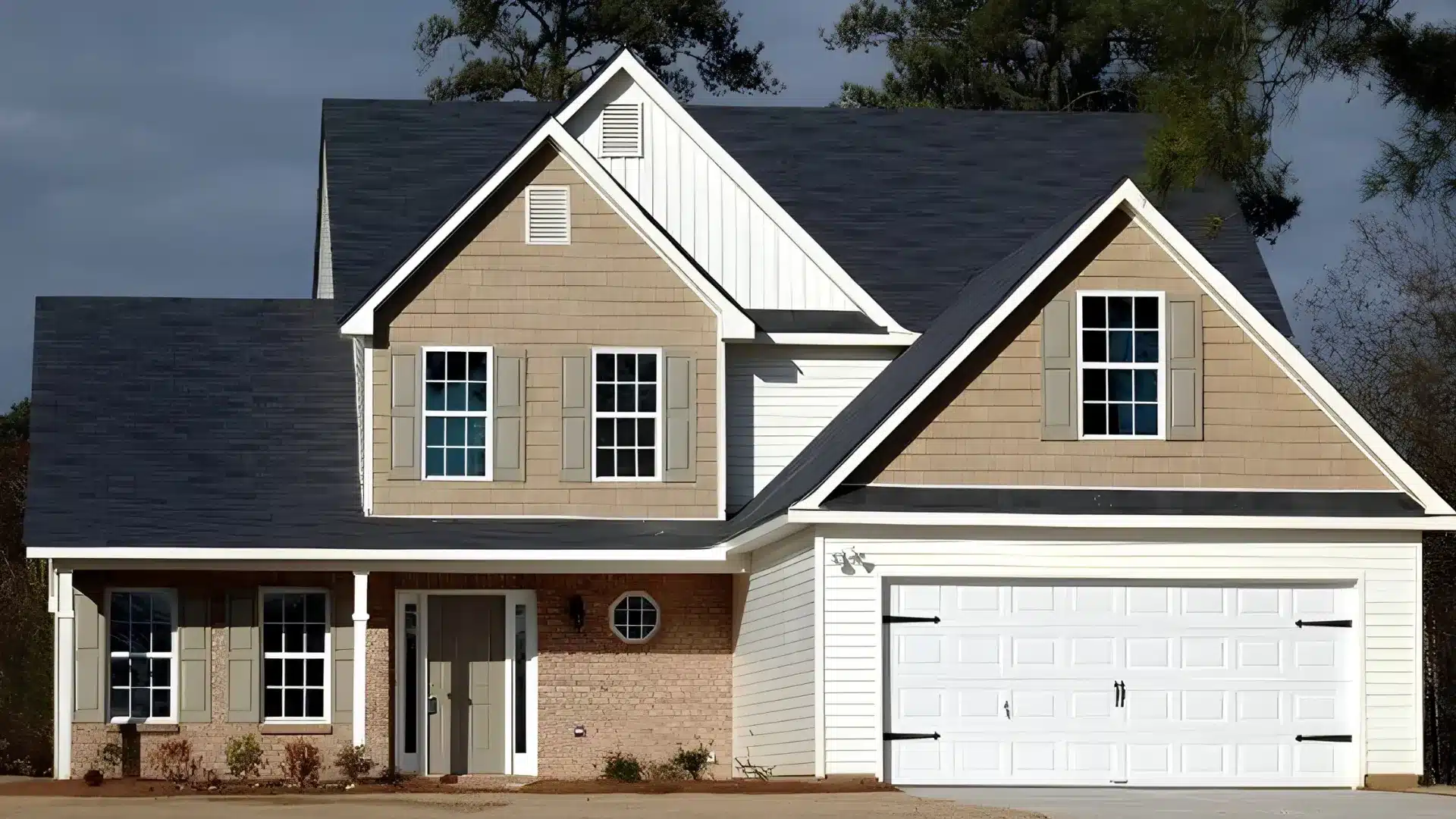
Spec homes have a lot going for them, especially if you want to skip the long wait and get settled without the stress of overseeing a build.
For the right buyer, they’re a genuinely practical choice.
1. You Can Move in Fast
With a spec home, the house is already built or nearly finished.
There’s no waiting on permits, weather delays, or contractor schedules. If your timeline is tight, as in a job move or a growing family, then that ready-now quality is a lifesaver.
2. What You See is What You Get
You walk through the actual home before signing anything.
No imagining how a floor plan will feel or hoping the finishes look right in real life. That certainty alone saves a lot of second-guessing.
Move-in ready homes with modern finishes tend to appeal to a wider pool of future buyers, which can work in your favour when it comes time to sell.
3. The Budget is Easier to Plan Around
The price is set upfront.
No surprise invoices halfway through a build, and no mid-project increases in material costs.
For buyers keeping a close eye on the spec-home vs. custom-home cost gap, this kind of financial predictability makes planning a whole lot simpler.
4. Builders Often Include Quality Finishes
Spec home builders want the property to sell, so they typically invest in finishes that look good and hold up well.
Hardwood floors, stone countertops, or modern fixtures aren’t rare finds in spec homes.
They’re often standard because presentation matters when a home needs to move.
Homes with durable, neutral-quality finishes photograph better and attract stronger offers, giving you a solid resale foundation without lifting a finger on upgrades.
Where Spec Homes Fall Short
Despite their hard-to-ignore benefits, spec homes come with a few trade-offs.
The biggest one is choice, or precisely the lack of it. The layout, the finishes, the flow of the rooms, none of that was designed with you in mind.
You’re inheriting someone else’s decisions, and not all of them will suit your life.
Beyond personalization, spec homes can sometimes cut corners in ways that aren’t immediately visible.
For example, insulation, materials, and construction quality vary widely between builders.
And in competitive markets, you may find yourself in a bidding situation that pushes the price well past what the home is actually worth
Why do People Choose Custom Homes?
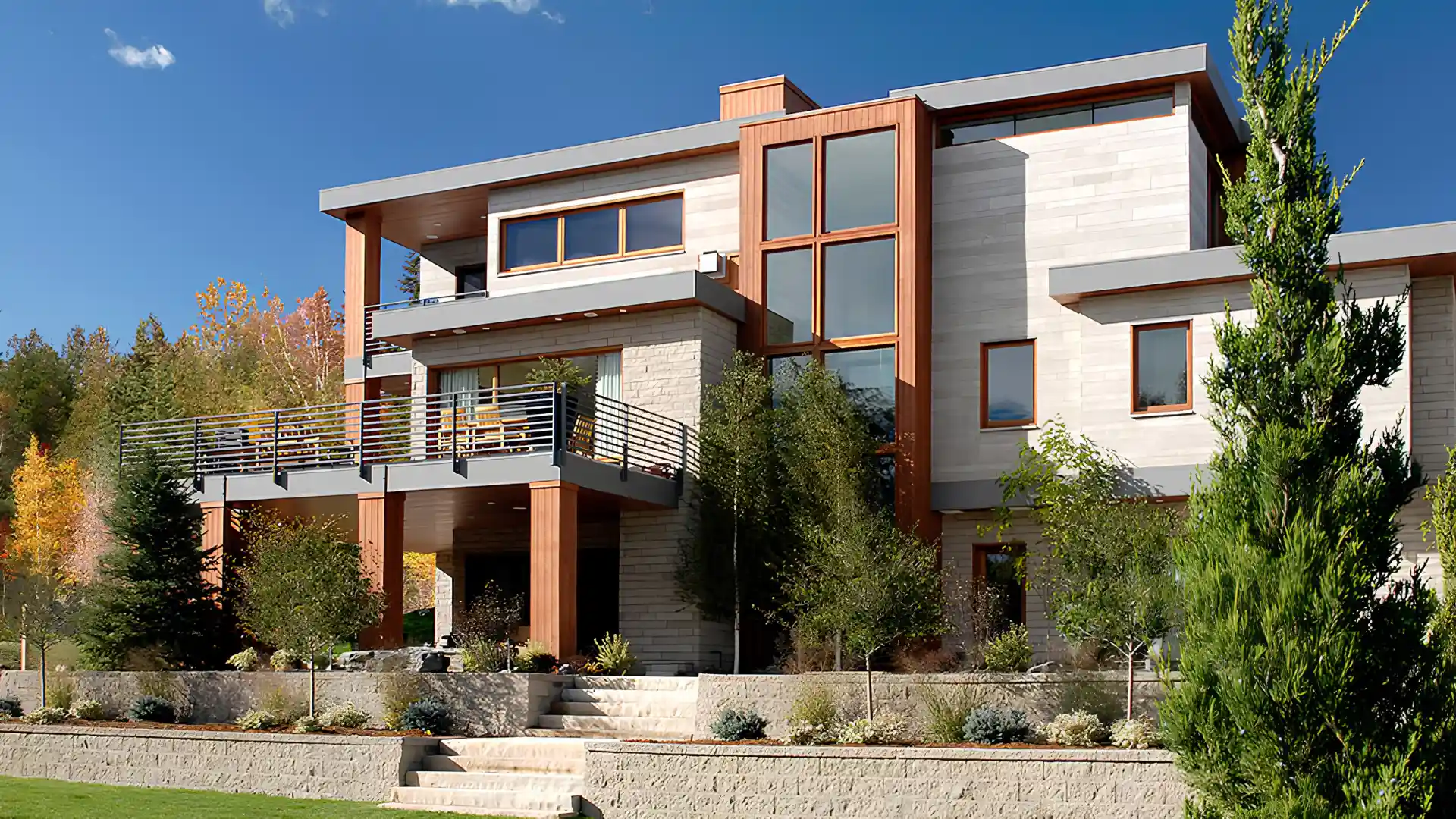
For people who have a clear picture of how they want to live, a custom home is hard to beat.
The ultimate selling point of custom homes is that every decision is yours, and that level of involvement tends to produce a home that spec-built simply can’t offer.
1. Every Detail is Your Decision
From the ceiling height to the kitchen layout to decor type, nothing gets decided without your input.
If you need a home office, an extra-wide garage, or a pantry that actually fits your lifestyle, you can build it in from the start rather than renovating later.
2. You Choose the Quality of Materials
With a custom build, you’re not guessing what’s behind the walls.
You select the insulation, the framing materials, and the roofing. That control over quality can mean a home that performs better and needs less maintenance over time.
Homes built with higher-grade materials tend to hold their value longer and attract serious buyers who know what to look for during inspection.
3. The Layout Works Around Your Life
A spec home is designed to appeal to as many buyers as possible. But a custom home is designed around one household, which is yours.
A space that is completely built around your likes and dislikes.
Whether that means an open-plan living space or a kitchen facing the garden, the layout reflects how you use a home day to day.
4. You Pick the Location and the Land
With a custom build, you’re not limited to wherever a developer happened to construct.
You find the land, choose the setting, and orient the home exactly how you want it. Whether that’s backing onto trees, capturing a view, or simply being on the right street.
Location remains one of the strongest drivers of resale value. Choosing your own plot in a desirable area gives you a meaningful advantage over competitive pricing.
The Challenges of Building Custom
Building a custom home sounds like a dream.
But there’s more to it. Waiting on a delayed material shipment or realizing your budget has quietly crept past are the common villains.
And on top of that, the process typically takes 1 to 2 years from land purchase to move-in.
Another things that works as a disadvantage are cost overruns.
What starts as a clear budget can shift as material prices change, unexpected site conditions arise, or upgrade choices add up faster than expected.
Spec Home vs Custom Home: What Separates the Two?
A spec home is built by a developer before a buyer ever enters the picture. A custom home is built from the ground up for one specific person, based on their plans.
Who Makes the Decisions?
In a spec home, the builder calls every shot: the floor plan, the finishes, the fixtures. The buyer simply shows up and either likes it or doesn’t.
With a custom home, the buyer sits at the table for every single choice made throughout the build.
When Does the Process Begin?
A spec home already exists, or is close to existing, before a buyer steps in.
A custom home starts from zero, land, blueprints, and all. The starting point of the process is completely different, and so is everything that follows.
How is the Price Set?
Spec home pricing is fixed before the buyer even walks through the door.
Custom home pricing builds up piece by piece, based on land, design choices, and materials selected. One gives a number upfront.
The other reveals the total slowly, over months.
Who is the Home Designed For?
Spec homes target the average buyer, someone who fits a common lifestyle mold. Custom homes are designed around one household’s specific habits, needs, and preferences.
That fundamental difference shapes everything from room sizes to storage solutions.
Budget Battle: Which Option Costs More?
For most people, budget is usually the deciding factor when the spec home vs custom home cost conversation gets real.
The bottom line is, custom homes almost always cost more.
But how much more depends heavily on location, materials, and the number of decisions you make along the way.
| Cost Factor | Spec Home | Custom Home |
|---|---|---|
| Base Price | Fixed, set by the builder | Variable, depends on design |
| Land Cost | Usually included | Separate purchase required |
| Design Fees | None | Architect and design costs apply |
| Material Choices | Pre-selected by the builder | Chosen by you, the cost varies |
| Budget Predictability | High | Low to moderate |
| Average Timeline Cost | Lower overall | Higher, often 20–30% more |
Future Value Check: Spec Home vs Custom Home
Before committing to either option, it’s worth thinking past move-in day.
The home you buy or build today is also an asset, and how well it holds or grows in value over time can matter just as much as how much you love living in it.
Spec Home Resale Value
Spec homes are built with broad appeal in mind, which works in your favor at resale.
Neutral finishes, familiar layouts, and established developments tend to attract more buyers, keeping the value reasonably steady over time.
Custom Home Resale Value
Custom homes can command a higher resale price, particularly when quality materials are involved.
However, highly personalized design choices can narrow your buyer pool, which can sometimes slow sales.
If resale value is your primary goal, a spec home in a well-located, growing neighborhood is often the more reliable choice.
Long Story Short: Buy or Build?
The spec home vs custom home decision comes down to what you need most right now: speed and simplicity, or control and personalization.
Choose a Spec Home If:
You’re working with a firm timeline or need to move quickly.
Spec homes suit buyers who want a clean, uncomplicated process, a set price, a finished product, and no months of decision fatigue.
They’re also a strong fit if you’re buying in a competitive market and want to avoid the financial unpredictability of a custom build.
Choose a Custom Home If:
You have the time, the budget, and a clear vision that no existing property can satisfy.
Custom homes make sense when your lifestyle has specific demands, accessibility needs, or a layout that simply doesn’t exist in your local market.
If you want every corner of the home to reflect how you actually live, then custom is for you.
Final Thoughts
At the end of the day, the spec home vs custom home decision isn’t about which option is objectively better.
It’s about which one fits where you are right now.
Spec homes offer speed, predictability, and a straightforward path to ownership. While custom homes offer control, quality, and a result that’s entirely yours.
Before choosing, consider your timeline, your budget, and the involvement you want.
Frequently Asked Questions (FAQs)
1. Why do Builders Prefer Spec Homes?
Builders prefer spec homes to keep their crews working consistently and generate faster profits. Rather than waiting for a buyer, they build, sell, and move on to the next project.
2. What Decreases Property Value the Most?
Poor location, neglected maintenance, and a declining neighborhood hurt value the most. Outdated kitchens, structural issues, and poor curb appeal also take a significant toll.
3. What is the Least Desirable Style of House?
Highly personalized or unconventional designs tend to attract the fewest buyers. Homes with unusual layouts or niche architectural choices typically sit on the market longer.