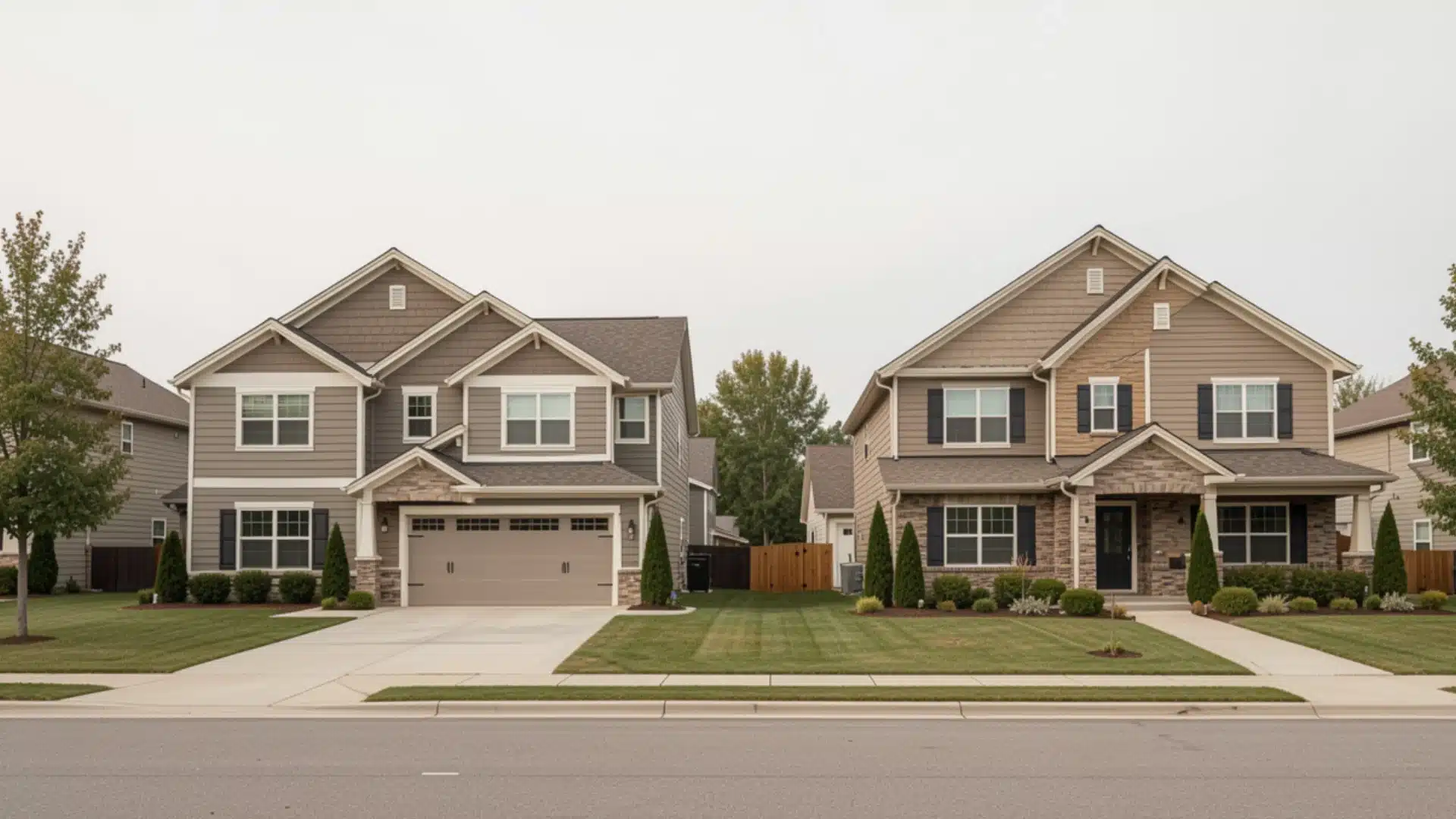
Two slopes. One ridge.
You’ve seen that triangular shape on almost every street. But have you ever stopped to wonder what it actually is, or why builders keep coming back to it?
That’s a gable roof.
And understanding how a gable roof is different from others, how it’s built, why it’s chosen, and whether it’s right for your home are different things.
Read through this, and by the end, everything about gable roofs will feel a lot clearer.
What is a Gable Roof?
A gable roof is one of the most common roof styles you’ll find on homes and one of the simplest.
Two roof sections slope downward from a central ridge, and where they end at each side of the house, you get that distinctive triangular wall section.
That triangle is called the gable, and that’s where the name comes from.
The shape naturally sheds rain and snow, allows for decent attic space, and works with just about any house style.
Builders have used this form since at least ancient Greece.
The Parthenon’s triangular pediment is essentially a gable, and modern residential construction still defaults to it for the same reasons: it’s fast, functional, and works nearly everywhere.
Why are Gable Roofs so Popular?
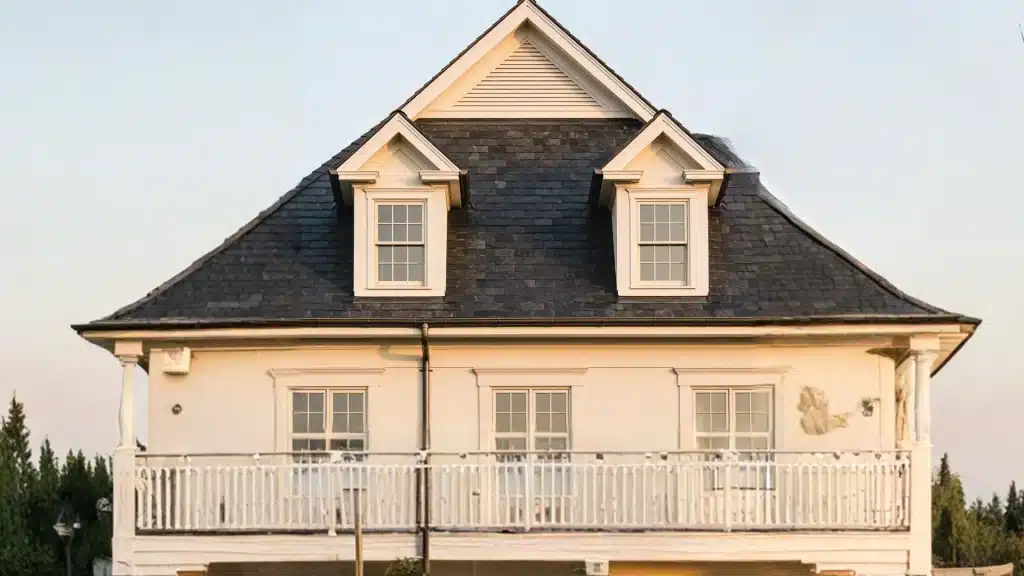
All comes down to three things: simplicity, practicality, and durability.
The structure is simple enough that most experienced roofers can complete it faster than a hip or mansard roof, which keeps labour costs lower.
Then there’s the practical side.
That steep slope handles rain and snow really well; water runs straight off rather than sitting and causing damage.
They also just look right on most houses, whether it’s a countryside cottage or a newer build.
Low cost, solid performance, and a clean appearance.
Benefits and Drawbacks of Gable Roof
Every roof style has its strengths and its limits.
And when you’re trying to understand what is gable roof, beyond just the shape, looking at the benefits and drawbacks is a good place to start.
Benefits:
- Easy to build: The simple design means less labor, faster construction time, and noticeably lower costs overall.
- Great drainage: A 4:12 pitch (the minimum most roofers recommend for shingle roofs) moves rainwater and snowmelt off the surface fast enough to prevent pooling. On steeper pitches like 6:12 or 8:12, drainage is even more efficient.
- Good ventilation: The peaked shape allows air to circulate freely, keeping the attic from overheating in warmer months.
- More attic space: The height created by the ridge gives you genuinely usable space underneath, not just a crawl gap.
- Versatile: Gable roofs work with asphalt shingles, metal panels, clay tiles, wood shingles, and slate. They suit everything from a basic ranch house to a Victorian cottage.
- Easy to repair: Because there are only two roof planes and no complex intersections, a roofer can visually inspect the entire surface quickly. That makes the whole process simpler to maintain and fix without major expense.
Drawbacks:
- Vulnerable in high winds: If not properly braced, the overhang can catch strong winds and lift away from the structure.
- Not ideal for low slopes: A shallow pitch can cause water to pool rather than drain, leading to long-term damage.
- Needs solid framing: Without collar ties, ceiling joists, or properly sized ridge beams, the outward thrust of the rafters pushes the walls apart over time. This is one of the more common structural failures in older or cheaply built homes.
- Limited in extreme climates: Heavy, wet snow can put serious stress on the structure if the pitch isn’t right.
Different Types of Gable Roofs and Their Pros and Cons
Not all gable roofs are built the same. Here are the main variations worth knowing, especially if you’re planning a build or renovation.
Front Gable
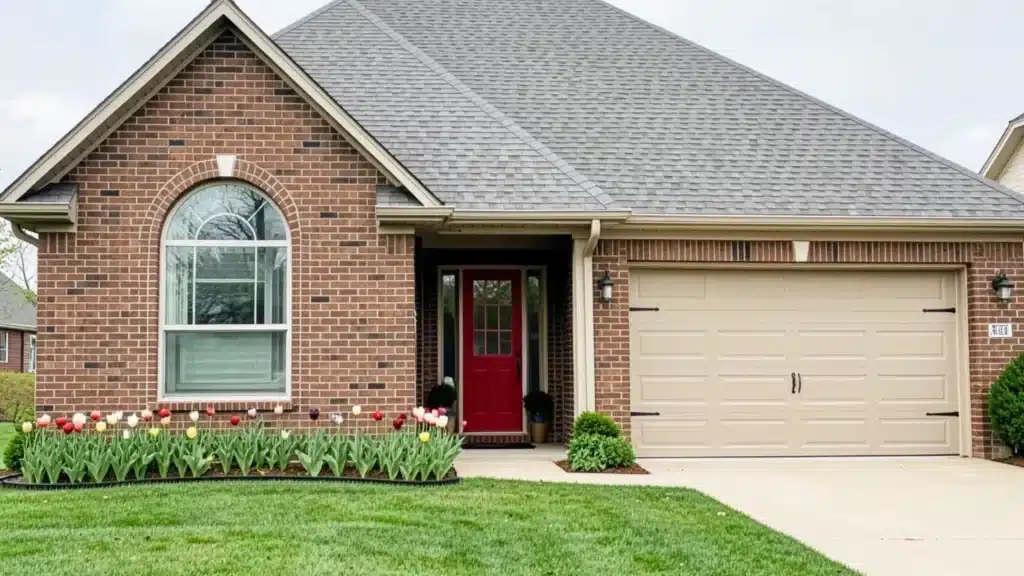
The gable faces the front of the house, giving the entrance a strong, defined look.
You’ll see this most often on colonial and Federal-style homes. It’s essentially the defining feature of the classic New England saltbox and Georgian townhouse facade.
Pros:
Bold street presence
Suits formal home styles
Cons:
Less practical for wider floor plans
Side Gable
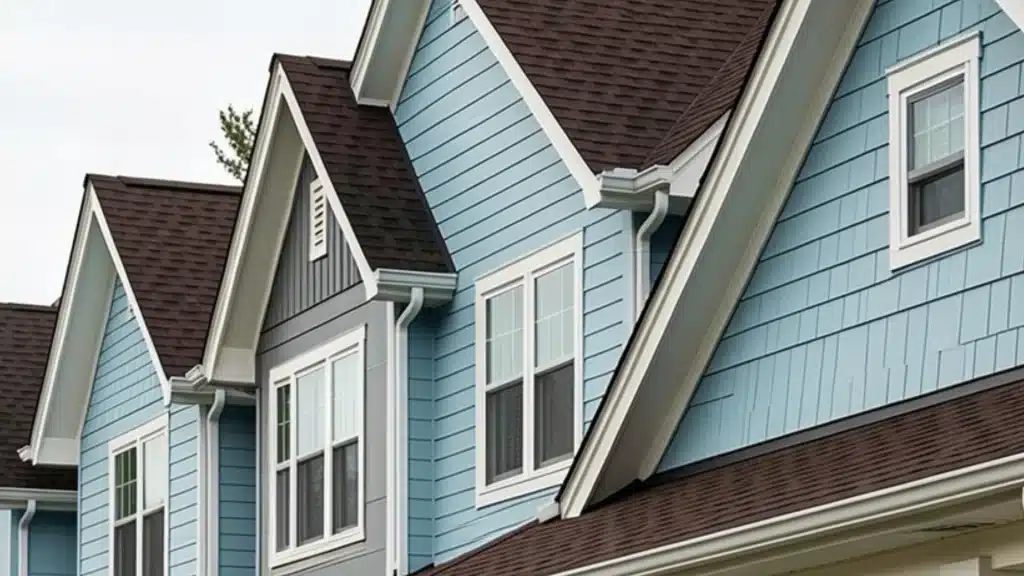
The most common type. Two slopes run front to back with gable ends on the sides of the house.
Clean, simple, and it works on almost any home.
Pros:
Versatile
Straightforward to build
Suits most layouts
Cons:
Can be vulnerable in high wind areas
Cross Gable
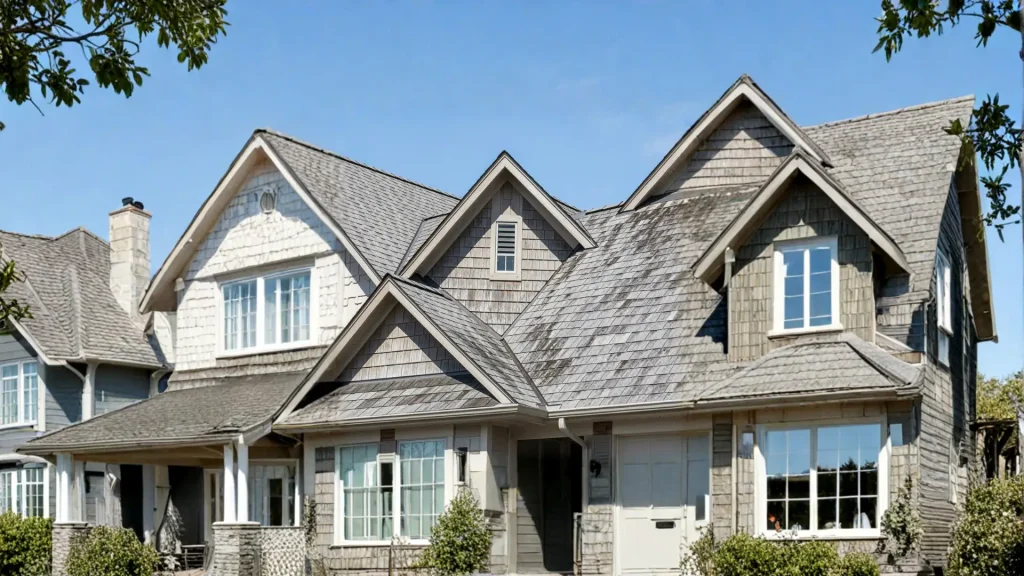
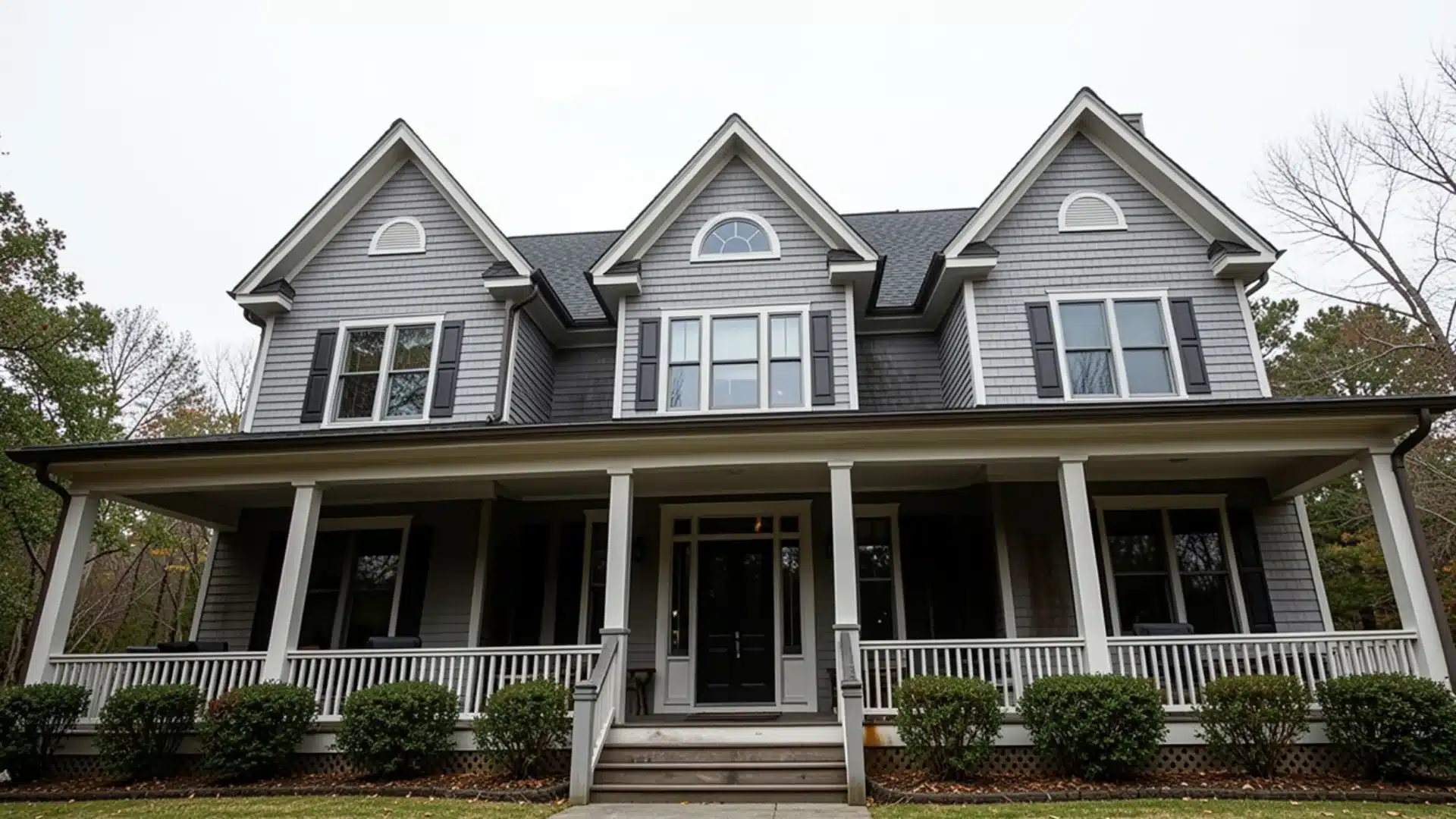
Two or more gable sections meet at an angle.
You’ll see this commonly on Tudor-style homes and larger American craftsman houses with L-shaped footprints.
Pros:
Great for complex floor plans
Adds visual interest
Cons:
More valleys mean a higher risk of leaks
Box Gable
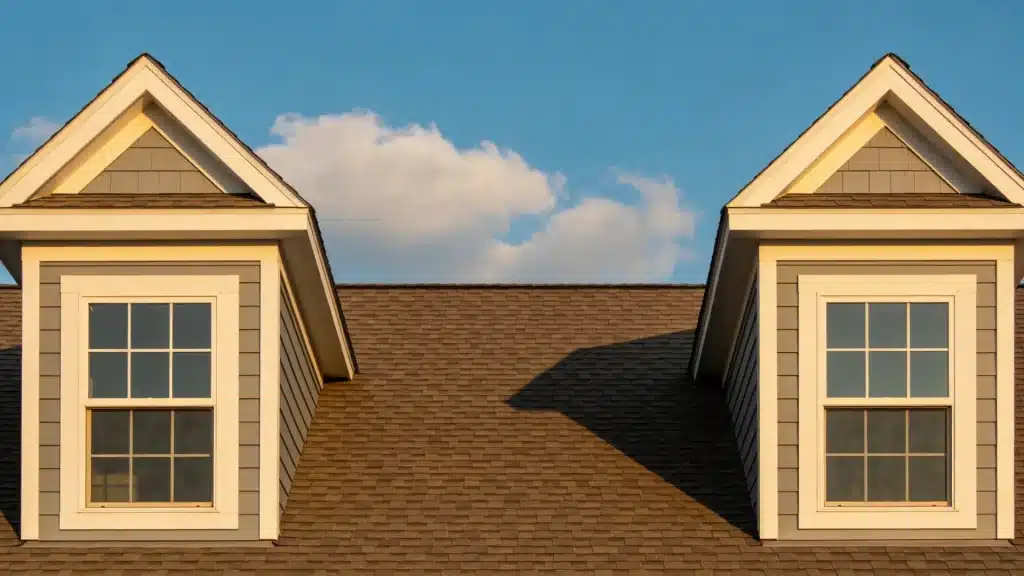
Similar to a standard gable, but the triangular section is boxed out at the ends, adding a bit more visual detail without overcomplicating the structure.
Pros:
Clean finish
Slightly more decorative look
Cons:
Marginally more complex
Costly to build
Flying Gable
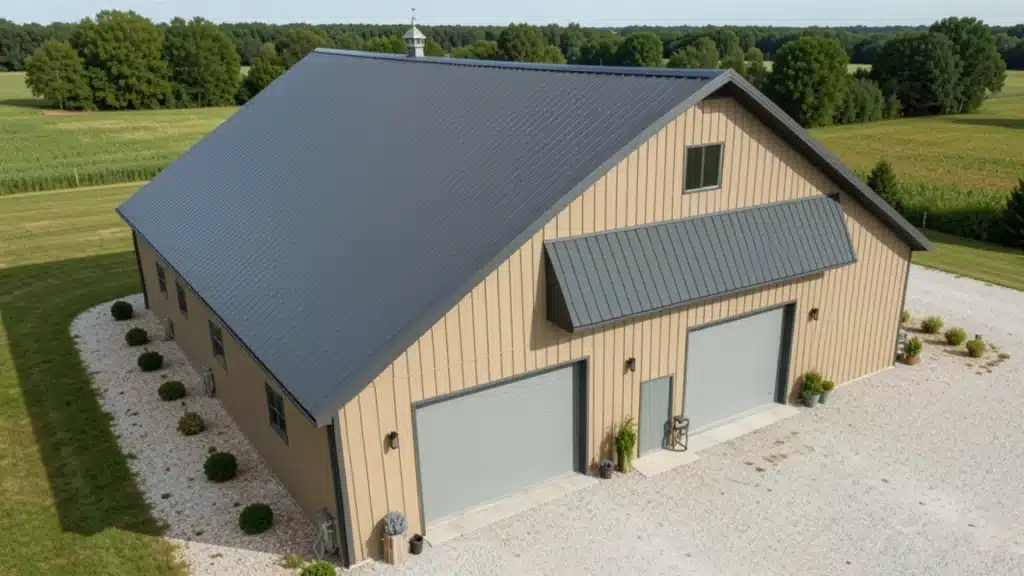
The roof overhangs beyond the gable wall, giving it a more extended look.
Popular in homes where a bolder roofline is part of the design.
Pros:
Strong visual appeal
Extra weather protection at the edges
Cons:
Overhangs need solid bracing, especially in windy areas
Gable Roof vs Hip Roof
Both are reliable choices, but the right one depends on where you live and what you’re optimising for.
If you’re in a moderate climate working to a tighter budget, a gable roof usually wins.
In coastal or high-wind areas, a hip roof’s aerodynamics are worth the extra cost.
Here’s a detailed overview:
| Factor | Gable Roof | Hip Roof |
|---|---|---|
| Design | Two slopes meeting at a central ridge with triangular end walls | Four slopes meeting at a central ridge, no vertical end walls |
| Appearance | Clean, classic, and straightforward | More complex, slightly more polished look |
| Cost | More affordable to build | Generally, more expensive due to its complex structure |
| Wind Resistance | Can struggle in high winds if not properly braced | Handles high winds better due to all four slopes |
| Water Drainage | Drains well on the two sloped sides | Drains well on all four sides |
| Attic Space | More usable attic space due to vertical end walls | Less attic space, lower ceiling towards the edges |
| Ventilation | Better natural ventilation through gable vents | Requires more effort to ventilate properly |
| Construction | Simpler and faster to build | More complex, takes longer to construct |
| Maintenance | Easier and cheaper to maintain | More surfaces mean more potential maintenance points |
| Best Suited For | Moderate climates, most standard home styles | High wind or hurricane-prone areas |
Bottom line: gable for budget and space; hip for wind resistance and a more complex roofline.
What Materials Work Best for a Gable Roof
One of the good things about a gable roof is that it works well with most standard roofing materials.
That said, some perform better than others depending on your climate, budget, and the look you’re going for.
Asphalt Shingles
The most common choice: affordable, widely available, and generally quoted at 20–30 years under normal conditions, though coastal or high-UV climates tend to shorten that.
Most roofing contractors use this as the default unless there’s a specific reason not to.
Metal Roofing
It works better in areas with heavy rainfall or strong winds. It’s durable, sheds water well, and can last upwards of 50 years.
Clay or Concrete Tiles
They hold up well in warmer climates but are heavier, so the structure underneath needs to handle that extra load.
Wood Shingles
They have a natural, rustic look that suits older-style homes well, though they need more maintenance and don’t fare well in humid climates.
Slate
It is the premium option, beautiful and long-lasting, but expensive and heavy, so not always practical for every budget.
If you’re in a wet or coastal climate, metal is worth the higher upfront cost. For most standard UK or US builds, asphalt shingles remain the most practical default.
Conclusion
A gable roof is one of those things that looks simple on the surface, and in many ways, it is.
But once you start looking into it, and everything it involves, the types, the materials, the construction, there’s a lot more to consider than the shape alone.
There’s a lot of thought that goes into choosing the right type, the right materials, and making sure it’s built properly for where you live.
For anyone planning a new build or just getting their head around what’s already above you, hopefully this has made things a little clearer.
Frequently Asked Questions (FAQ’s)
1. What is Gable Roof Used for?
Primarily for residential homes, it sheds rain and snow efficiently while providing good attic space.
2. What is a Gable Roof Structure?
Two sloping sides meeting at a central ridge, supported by rafters, a ridge board, and triangular gable end walls.
3. How Long Does a Gable Roof Last?
With proper materials and maintenance, a gable roof can last anywhere between 20 to 50 years.