
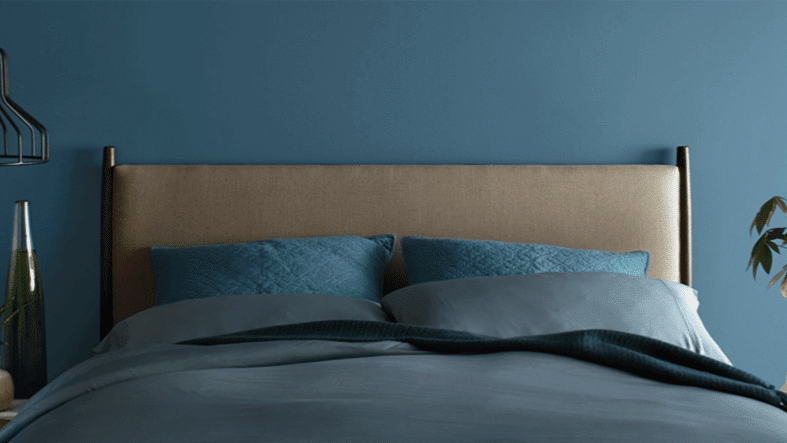
Flat paint does exactly one thing really well. It hides imperfections. If your walls have patches, minor dents, or uneven texture, flat paint makes them disappear under that matte finish.
The lack of sheen means light doesn’t bounce off the surface, so flaws blend right in. That’s where the benefits stop.
When you first roll it on, the results look great. Those repair spots? Gone. But this single advantage comes with a trade-off most people don’t anticipate.
The surface is porous and soft, so it can’t handle contact.
Brush against it, and oils from your skin transfer directly into the paint.
Try to wipe that smudge off? You’ll just spread it around or remove the paint entirely. And that’s just the beginning of the problems.
Related read: Curious about other types of paint finishes? Click here.
The Real Reason People Regret Flat Paint on Walls
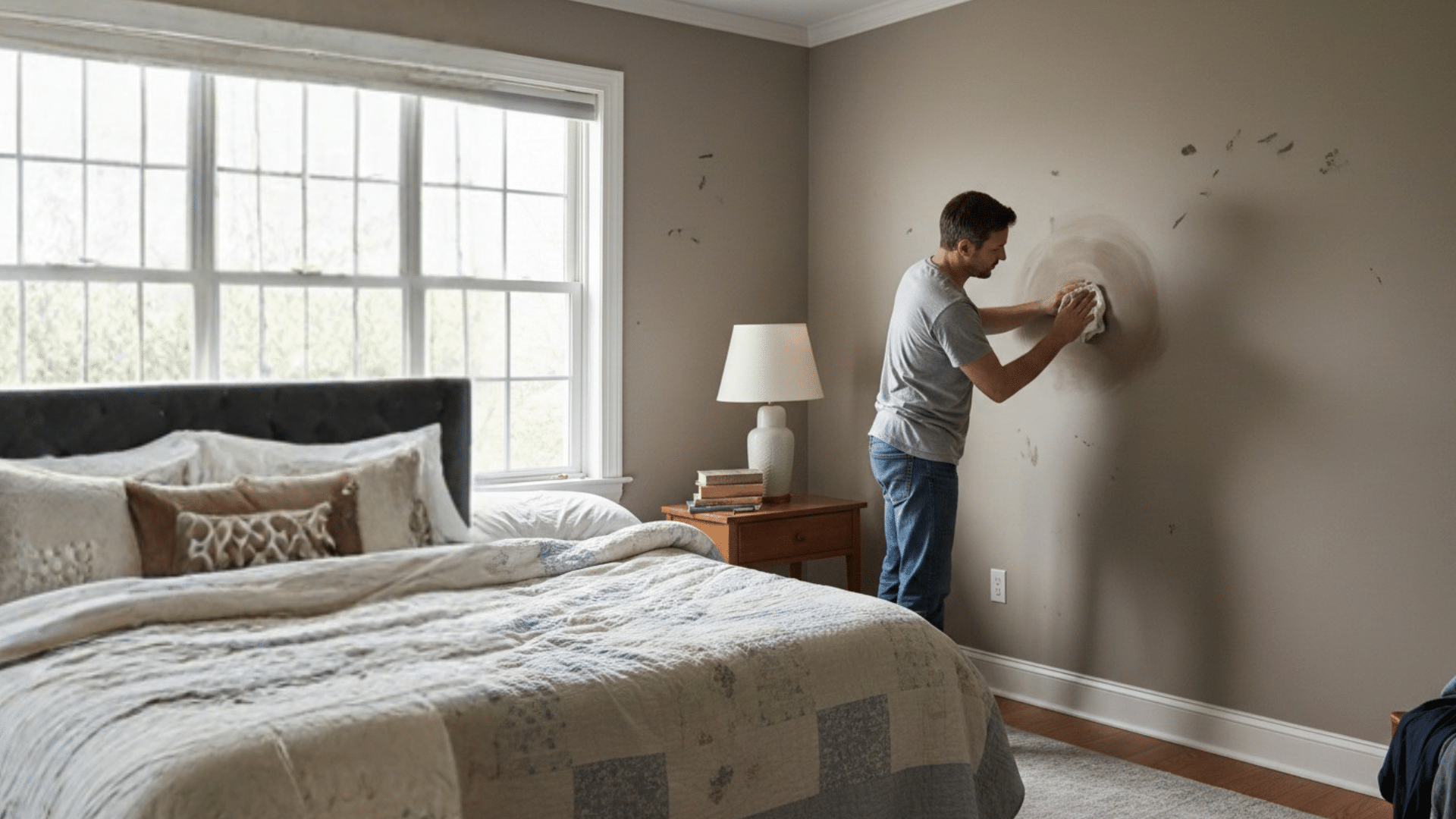
The regret kicks in when you realize you can’t maintain it. You can’t scrub flat paint, and any attempt to clean it takes the paint off, too.
Walls Cannot Be Cleaned Properly
Any moisture or pressure removes the paint layer instead of the dirt. Spills and splatters stay put because wiping them makes things worse.
Even a damp cloth leaves streaks or dull spots where the paint wore away. Water-based cleaners soak into the porous surface and create permanent marks.
Touch Marks Appear Too Fast
Fingerprints and smudges show up within days near light switches and doorways.
Every time someone flips a switch, oils from their skin transfer onto the wall. Those marks don’t fade. They build up until the area around your switches looks noticeably darker than the rest of the wall.
Repairs Never Blend In
Touching up a damaged spot creates a visible patch that stands out.
The new paint doesn’t match the texture or tone of the existing surface, even if you use the same paint from the same can. The only real fix is repainting the entire wall.
The paint job that seemed like a money-saver turns into repeated work and expense.
Why Flat Paint Struggles With Everyday Living?
Real life doesn’t treat flat paint gently. The finish can’t handle the daily contact that happens in every home, no matter how careful you think you’ll be.
1. People Touch Walls More Than They Think: You lean against the hallway while putting on your shoes. You steady yourself on the stairwell. These small touches add up fast, and each one leaves a mark that won’t come off.
2. Kids Leave Constant Marks: Children run their hands along walls as they walk. Snack residue and sticky fingers transfer directly onto the paint, and you can’t wipe any of it away.
3. Pets and Guests Make It Worse: Dogs brush against corners. Guests lean on walls during conversations. Flat paint shows every interaction within weeks.
The damage isn’t gradual. It’s immediate and visible, which is why so many people end up repainting sooner than they planned.
Why Flat Paint Fails in Modern Homes
Home design has changed, and flat paint hasn’t kept up.
The way people live now creates more wall contact than older floor plans ever did.
Open Layouts Increase Wall Contact:
Kitchens flow into living rooms without doors separating spaces. People brush past walls more often and lean on corners while cooking or talking.
Brighter Lighting Exposes Every Flaw:
Natural light from large windows hits the walls at different angles. LED bulbs put out more light than old incandescent ones. All that brightness makes every smudge and touch mark stand out.
Furniture Gets Moved More Often:
People rearrange rooms to fit new needs. Couches get pushed for video calls. Desks shift for better light. Each move risks scraping the wall.
More Electronics Mean More Cables:
Charging stations and gaming setups need cords along baseboards. Plugging items near outlets leaves marks that build up fast.
Flat paint worked when homes had smaller windows and separate rooms. Now it shows its weaknesses almost immediately.
Wall Paint Options That Work Better
Once people see how flat paint performs, they start looking at other options.
Low-sheen paints handle daily life much better without adding too much shine.
| Feature | Flat Paint | Eggshell | Satin |
|---|---|---|---|
| Shine Level | No shine | Very slight sheen | Soft glow |
| Cleaning | Can’t wipe | Light cleaning works | Scrubbing is fine |
| Durability | Wears down fast | Holds up well | Handles heavy traffic |
| Touch Marks | Show immediately | Less visible | Barely noticeable |
Why Eggshell Feels Easier to Live With: It has just enough protection to handle fingerprints. You can wipe down walls without removing the paint.
Why Satin Became the Safer Pick: It’s tougher and works in high-contact areas. Most people stop caring about the sheen once they realize they can actually clean their walls.
People who switch from flat paint rarely go back.
When Flat Paint on Walls Make Sense
Flat paint isn’t always the wrong choice. There are specific situations where its drawbacks don’t matter, and its benefits actually work.
- Short-Term Use: Rental staging or quick flips don’t need long-term durability. If the paint only needs to last a few months, flat paint gets the job done cheaply.
- Walls That Rarely Get Touched: Ceilings are the obvious example. Guest rooms that see use a few times a year also work. If there’s genuinely no contact happening, the paint will stay looking decent.
- Budget-Tight Projects: Flat paint costs less per gallon. If money is tight and you need to cover a lot of square footage, it stretches your budget further.
- Textured or Damaged Walls You Can’t Fix: Sometimes fixing drywall isn’t in the budget. Flat paint hides those problems better than any other finish.
Final Thoughts
Flat paint on walls delivers one benefit but creates ongoing problems most people don’t see coming. It hides flaws initially, then becomes the flaw itself once real life takes over.
The inability to clean or maintain it turns what seemed like a practical choice into a source of frustration.
Unless your walls truly won’t get touched, skip the flat finish.
Go with eggshell or satin instead, and save yourself the headache of constant touch-ups and early repaints.