New Year’s Day rolls around, and you’re wondering what to serve. The clock strikes midnight, confetti settles, and suddenly you need a meal that feels special.
The traditional New Year’s Day meal is not just about filling a plate. They’re about starting the year right.
Black-eyed peas for luck. Greens for prosperity. Pork for progress.
These dishes have fed families for generations, and they carry meaning that goes beyond taste.
In this blog, you will see the classic New Year’s Day meals that people cook across different cultures.
You’ll learn what makes each dish special and why folks believe they bring good fortune.
Must Have Traditional New Year’s Day Meal
Let’s walk through traditional New Year’s Day meals around the world, with recipes passed down carrying hopes for luck, wealth, and happiness.
United States Traditions
Americans across the country celebrate with foods that promise prosperity.
These dishes blend traditions from different cultures, creating unique New Year’s meals that taste like home.
1. Black-Eyed Peas and Collard Greens

This Southern staple brings together two powerful symbols. Black-eyed peas represent coins and good luck.
Collard greens symbolize paper money. Cook with ham hock and serve them together. The combo is believed to bring financial prosperity all year long.
2. Hoppin’ John

Rice and black-eyed peas come together in this Charleston classic. Add bacon, onions, and a bit of hot sauce.
Families serve it at midnight or for lunch on New Year’s Day. Tradition says you’ll have luck for every pea you eat.
3. Cornbread

Golden cornbread sits on every Southern New Year’s table. The color represents gold and wealth. Bake it in a cast-iron skillet with buttermilk.
Some folks hide a coin inside for extra luck. The person who finds it gets special blessings.
Southern Comfort Dishes
The South takes New Year’s food seriously. These comfort foods carry deep meanings, and families refuse to skip them when January first arrives.
4. Pork and Sauerkraut

Pennsylvania Dutch families swear by this pairing. Pork moves forward when it eats, unlike chickens that scratch backward.
Sauerkraut’s long strands represent long life. Slow-cook a pork roast with tangy kraut and caraway seeds for hours.
5. Ham with Brown Sugar Glaze

A whole ham symbolizes prosperity and abundance. Glaze with brown sugar, mustard, and cloves.
The fat content represents richness for the coming year. Leftovers make great sandwiches, extending the good fortune throughout January.
6. Greens with Pot Liquor

Turnip greens, mustard greens, or kale all work. The cooking liquid, pot liquor, is considered extra lucky.
Simmer with smoked turkey and vinegar. Some people place a coin under the pot while cooking for added wealth.
7. Fried Catfish

River catfish represents bounty in Southern tradition. Coat in cornmeal and fry until crispy.
The dish connects to African American heritage and fishing traditions. Serve it with hot sauce, and you’re starting the year right.
8. Black-Eyed Pea Soup

This hearty soup heats you on a cold January day. Make with ham, carrots, and celery. Each spoonful carries the promise of good luck. The more peas you eat, the better your fortune.
East Asian Traditional New Year’s Day Meal
East Asian cultures celebrate with foods that look like symbols of wealth. Long noodles, whole fish, and golden dumplings fill tables from China to Korea.
9. Long Noodles

Chinese families serve uncut noodles for longevity. Boil wheat noodles and toss them with sesame oil.
Never break or cut them; that’s bad luck. Slurping them whole ensures a long, healthy life ahead.
10. Whole Fish

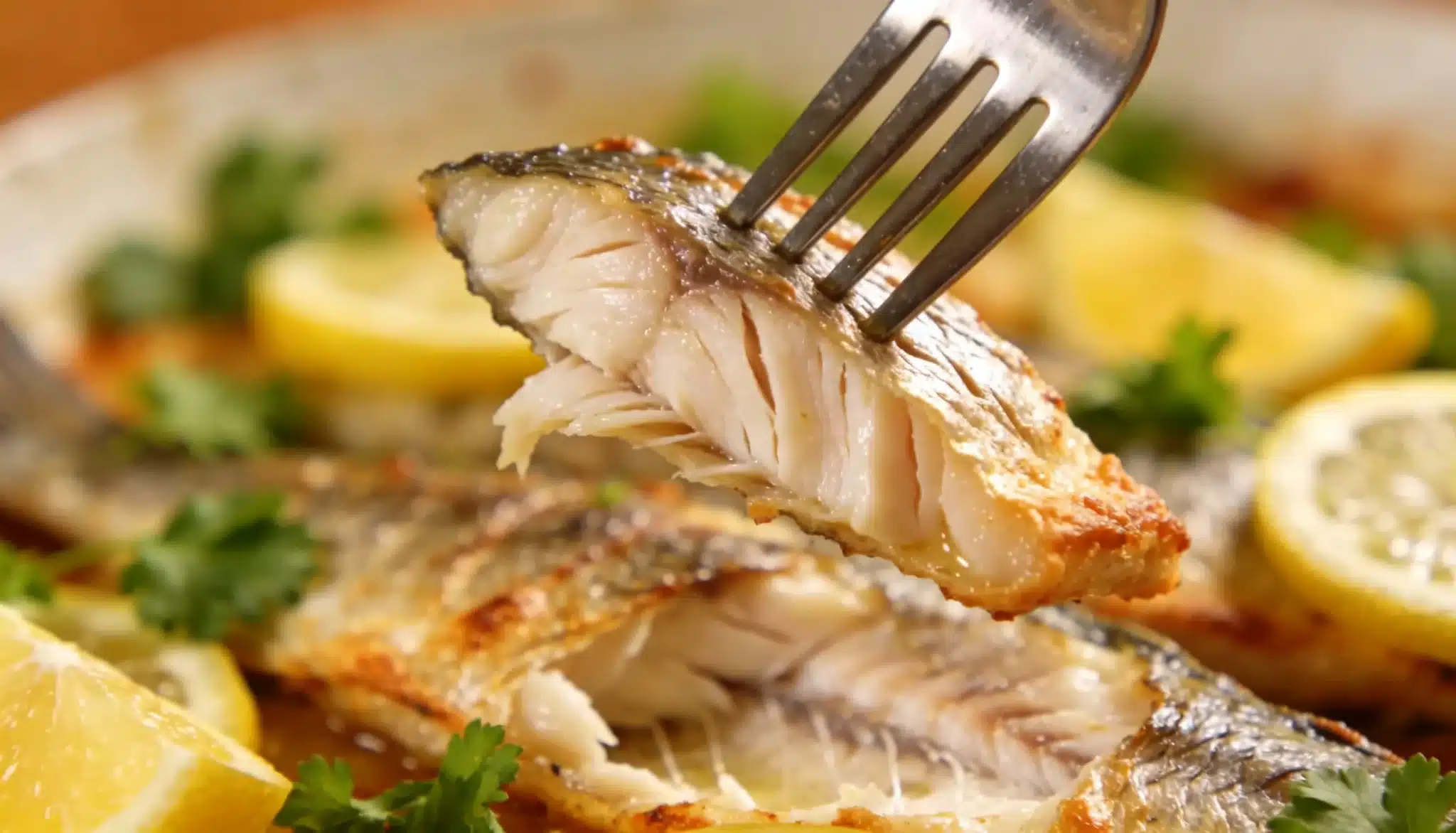
A complete fish with head and tail represents completeness, steamed with ginger and scallions. The fish symbolizes surplus and prosperity. Leave some on the plate; it shows abundance carried into the new year.
11. Dumplings

These little pockets look like ancient Chinese gold ingots. Fill with pork and cabbage, then boil them.
Families gather to fold dumplings together on New Year’s Eve. Each one represents wealth coming your way.
12. Sticky Rice Cake (Nian Gao)

Sweet and chewy, this cake symbolizes progress. The name sounds like a higher year in Chinese. Steam and slice it thick. Eating it means you’ll rise higher in the coming year.
13. Spring Rolls

Golden fried spring rolls look like gold bars. Stuff with vegetables and pork, then fry until crispy.
They represent wealth and prosperity. The crispy sound when you bite means good things are coming.
European New Year’s Day Meal Traditions
European families honor old customs that date back centuries. Lentils, grapes, and special cakes appear on tables from Spain to Poland.
14. Lentils with Sausage

Germans and Italians both serve lentils at midnight. These tiny legumes represent coins.
Cook with Italian sausage and tomatoes. Each lentil eaten equals one dollar or euro earned. Fill your bowl high.
15. Twelve Grapes

Spaniards eat twelve grapes at midnight, one for each clock chime.
Prepare them in a small bowl beforehand. Each grape represents a month. Sweet grapes mean good months ahead, sour ones warn of challenges.
16. Cabbage Rolls

Eastern European families stuff cabbage with meat and rice.
The layers represent abundance piling up. Simmer in tomato sauce for hours. The rolled shape symbolizes money rolling in throughout the year.
17. Pork and Sauerkraut (German Style)

German families serve this differently from Americans.
Roast the pork with apples and onions. The sauerkraut cooks separately with juniper berries. Together, they promise progress and long life in the new year.
18. King Cake

Greeks hide a coin in their Vasilopita cake. Bake it with orange zest and almonds. Whoever finds the coin gets extra luck. We cut it at midnight, giving the first slice to the house itself.
Caribbean Traditions
Island cooking brings heat and spice to New Year’s celebrations. These dishes reflect the rich cultural mix of the Caribbean islands
19. Rice and Peas

Jamaican families cook rice with kidney beans or pigeon peas. Add coconut milk and thyme.
The dish represents unity and prosperity. Serve it with jerk chicken for a proper celebration meal.
20. Conch Fritters

These crispy bites symbolize abundance from the sea. Mix conch meat with peppers and deep fry the batter.
The round shape represents coins. Each fritter promises financial blessings throughout the year.
21. Black Cake

This rum-soaked fruitcake takes weeks to prepare. Soak fruits in rum and wine for months. The dark color represents richness.
Families serve it at midnight with prayers for sweetness in the coming year.
African Traditional New Year’s Day Meal
African New Year’s meals celebrate community and abundance. These dishes bring families together around shared pots and plates.
22. Jollof Rice

West African families serve this spicy tomato rice. Cook with chicken and vegetables.
The communal dish brings families together. Sharing from one pot symbolizes unity and shared prosperity ahead.
23. Fufu with Egusi Soup

This hearty combination represents sustenance and abundance.
Pound yams into smooth fufu. The egusi soup, made with melon seeds, promises fertility and growth. Eating it ensures you won’t go hungry.
Middle East Traditions
Middle Eastern tables overflow with symbolic foods on New Year’s. Pomegranates, nuts, and honey promise sweetness and plenty in the months ahead.
24. Pomegranate

The seeds represent prosperity and fertility. Open fresh pomegranates and serve them in bowls.
Each seed is a blessing. Some families count 613 seeds, representing divine commandments and abundance.
25. Baklava

Layers of phyllo dough and nuts symbolize sweet times ahead.
Brush each layer with butter and honey. The golden color represents wealth. Families serve it with strong coffee for good fortune.
26. Stuffed Grape Leaves

Rolled grape leaves filled with rice and herbs represent abundance. Simmer in lemon broth.
The tight rolls symbolize keeping good fortune close. Each bite brings another blessing into your life.
Latin American Traditions
Latin America celebrates with bold flavors and family gatherings. These festive dishes require time and love, making them perfect for New Year’s.
27. Tamales

Mexican families spend days making tamales together. Steam filled with pork or chicken.
The corn husks represent protection and abundance. Making them together strengthens family bonds for the year ahead.
28. Roasted Pork (Lechón)

A whole roasted pig represents abundance and celebration. Slow-roast with garlic and citrus.
The crispy skin is considered the luckiest part. Feeding many people from one pig shows generosity rewarded.
29. Arroz con Leche

This creamy rice pudding appears on Latin American New Year’s tables.
Simmer rice in milk with cinnamon and vanilla. The white color represents purity and new beginnings. Families serve it hot or cold, believing its sweetness brings a sweet year ahead.
Make Your Own New Year’s Day Menu
- Start by choosing dishes that match your family heritage and cultural background.
- Pick at least one symbolic food that represents luck, wealth, or prosperity.
- Consider cooking times and plan dishes that can be prepared ahead.
- Mix traditional recipes with your own personal favorites for variety.
- Incorporate at least one dish you can make in bulk.
- Select recipes with different cooking methods to avoid oven traffic jams.
- Add one new tradition each year to keep things fresh.
- Keep a backup plan for dishes that might not turn out perfectly.
- Remember that simpler menus mean more time with family and less stress.
Final Thoughts
There you have the traditional New Year’s Day meal from around the globe.
These recipes are essential because food connects us to our roots. It ties us to the people who came before us. When you cook black-eyed peas or fold dumplings, you’re keeping traditions alive.
Pick the dishes that speak to you. Mix Southern greens with Asian noodles if that’s your story.
Create new traditions alongside the old ones. The best luck comes from sharing good food with people you love.
Your New Year’s table should feel right for your family.